


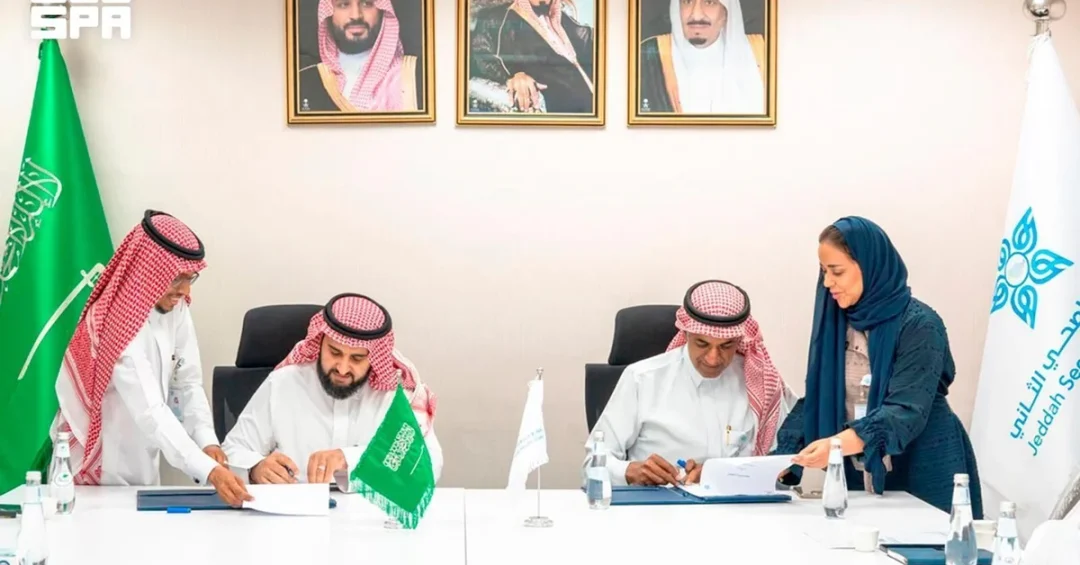
Tarmeem Development in Makkah Region and Jeddah Second Health Cluster have signed a community partnership agreement to collaborate on health initiatives, awareness campaigns, and home renovations for home healthcare patients, according to the Saudi Press Agency. The agreement, announced on August 21, 2026, seeks to expand the non-profit sector’s contribution to healthcare services by pooling resources, strengthening community engagement, and improving living environments for eligible beneficiaries across Makkah Region. The partnership reflects a growing trend in the Kingdom of Saudi Arabia where public health institutions and non-profit organizations join forces to address social determinants of health and enhance the quality of life for vulnerable populations.
Home healthcare patients often face challenges that extend beyond medical treatment, including inadequate housing conditions that can exacerbate their health conditions and hinder recovery. By combining the clinical expertise of Jeddah Second Health Cluster with the community development experience of Tarmeem Development, the partnership aims to create a holistic support system that addresses both medical and environmental factors. This collaboration aligns with the broader objectives of Saudi Vision 2030, which emphasizes the importance of cross-sector partnerships in achieving sustainable social development and improving the well-being of all citizens and residents.
Context and Background
How did this partnership come about, and what does it mean for the future of healthcare in Saudi Arabia? The agreement between Tarmeem Development in Makkah Region and Jeddah Second Health Cluster is rooted in the Kingdom’s ongoing efforts to transform its healthcare sector into a more integrated and patient-centered system. Jeddah Second Health Cluster, one of the health clusters established under the Ministry of Health’s transformation program, is responsible for providing comprehensive healthcare services to a defined population in Jeddah. It operates hospitals, primary care centers, and home healthcare programs, serving thousands of patients who require medical care in their homes due to chronic illnesses, disabilities, or advanced age.
Tarmeem Development, a non-profit organization focused on community development in the Makkah Region, has a track record of implementing projects that improve living conditions for disadvantaged families. Its expertise in home renovations and community engagement complements the health cluster’s clinical services. The partnership is part of a wider movement in Saudi Arabia to encourage non-profit organizations to play a more active role in social sectors, as outlined in Vision 2030’s goal to increase the non-profit sector’s contribution to GDP from less than 1% to 5% by 2030. By formalizing this collaboration, both entities aim to leverage their respective strengths to deliver more effective and sustainable support to home healthcare patients.
The signing of this agreement also reflects the Saudi government’s emphasis on community participation in health and social care. The Ministry of Health has been promoting partnerships with the private and non-profit sectors to enhance service delivery and reduce the burden on public facilities. This approach is consistent with the Health Sector Transformation Program, one of the Vision 2030 realization programs, which seeks to improve the quality and efficiency of healthcare services through innovation and collaboration. The Jeddah Second Health Cluster and Tarmeem Development are thus at the forefront of a national effort to create a more resilient and inclusive healthcare ecosystem.
Key Details of the Agreement
What specific activities will the partnership undertake, and who will benefit? According to the Saudi Press Agency, the agreement covers three main areas of collaboration: health initiatives, awareness campaigns, and home renovations for home healthcare patients. The health initiatives are expected to include joint programs that address common health issues among home care patients, such as chronic disease management, medication adherence, and fall prevention. These programs will be designed to complement the clinical care provided by the health cluster’s medical teams, ensuring that patients receive consistent and comprehensive support.
Awareness campaigns will target both patients and their families, as well as the broader community, to promote healthy behaviors and increase understanding of available healthcare services. Topics may include nutrition, hygiene, infection control, and the importance of regular medical check-ups. By raising awareness, the partners aim to empower patients and caregivers to take an active role in managing health conditions and to reduce the risk of complications that could lead to hospitalization. The campaigns will be conducted through community events, social media, and printed materials distributed via health centers and local organizations.
Home renovations represent a tangible and immediate intervention that can significantly improve the quality of life for home healthcare patients. Many patients live in homes that lack basic accessibility features, such as ramps, grab bars, or widened doorways, which can make it difficult for them to move around safely and independently. Tarmeem Development will identify eligible beneficiaries and carry out necessary modifications, such as installing handrails, improving lighting, and repairing structural issues. These renovations not only enhance safety but also promote dignity and independence for patients, allowing them to remain in their homes for longer periods. The partnership will prioritize cases based on medical need and socioeconomic status, ensuring that the most vulnerable receive support first.
International and Regional Impact
How does this local partnership resonate on a larger scale, and what can other regions learn from it? The collaboration between Tarmeem Development and Jeddah Second Health Cluster serves as a model for integrating non-profit efforts into public health strategies, a practice that is gaining traction globally. In many countries, non-governmental organizations play a critical role in filling gaps in healthcare delivery, particularly for marginalized populations. Saudi Arabia’s structured approach, which aligns such partnerships with national transformation programs, offers a replicable framework for other regions in the Kingdom and beyond. By documenting and sharing best practices, the partners can contribute to the global discourse on community-based healthcare and social determinants of health.
Regionally, the agreement supports the objectives of the Makkah Region Development Strategy, which aims to improve the quality of life for residents and enhance the region’s social infrastructure. As the host of the Two Holy Mosques and a destination for millions of pilgrims annually, Makkah Region has a unique status that necessitates robust health and social services. Strengthening home healthcare and community support not only benefits local residents but also reinforces the Kingdom’s reputation for compassionate and efficient care. Other health clusters in Saudi Arabia may look to this partnership as a template for their own community engagement initiatives, potentially leading to a nationwide network of similar collaborations.
On the international stage, Saudi Arabia’s efforts to promote public-private and public-non-profit partnerships in healthcare are consistent with the United Nations Sustainable Development Goals, particularly Goal 3 (Good Health and Well-being) and Goal 17 (Partnerships for the Goals). By showcasing successful models of collaboration, the Kingdom demonstrates its commitment to global health and sustainable development. International observers and organizations may take interest in how Saudi Arabia leverages its Vision 2030 framework to drive social innovation, offering lessons for other countries undergoing similar health system transformations.
Economic and Strategic Significance
What are the economic implications of this partnership, and why is it strategically important for Saudi Arabia? Home healthcare is a cost-effective alternative to prolonged hospital stays, reducing the burden on acute care facilities and allowing resources to be allocated more efficiently. By preventing hospital admissions through better home environments and proactive health management, the partnership can generate savings for the healthcare system. These savings can be reinvested in other priority areas, such as specialized treatments, technology upgrades, or expanding services to underserved communities. The non-profit sector’s involvement further amplifies the impact, as it brings additional funding, volunteers, and community trust that complement government resources.
Strategically, the partnership supports the Kingdom’s goal of increasing the non-profit sector’s contribution to GDP to 5% by 2030. By engaging in meaningful projects like home renovations and health awareness, Tarmeem Development contributes to this target while also building organizational capacity and demonstrating the value of non-profit participation in national development. The collaboration also aligns with the Health Sector Transformation Program’s objective of shifting towards preventive and community-based care, which is essential for managing the rising prevalence of chronic diseases in Saudi Arabia. As the population ages and lifestyle-related conditions increase, home healthcare and community support will become increasingly vital components of the healthcare system.
Moreover, the partnership enhances social cohesion and trust between health institutions and the communities they serve. When patients see that their healthcare providers care about their living conditions and overall well-being, it strengthens the patient-provider relationship and encourages greater adherence to treatment plans. This trust is a strategic asset that can improve health outcomes and reduce the need for more intensive interventions. For Jeddah Second Health Cluster, the partnership offers an opportunity to demonstrate its commitment to patient-centered care and to gather data that can inform future service improvements. For Tarmeem Development, it provides a platform to expand its impact and collaborate with a leading health authority, enhancing its credibility and reach.
Vision 2030 Alignment
How does this initiative fit into the broader vision for Saudi Arabia’s future? The partnership between Tarmeem Development and Jeddah Second Health Cluster is a concrete example of Vision 2030’s emphasis on cross-sector collaboration and social responsibility. Vision 2030 envisions a vibrant society where citizens enjoy a high quality of life, and a thriving economy where the non-profit sector plays a significant role. By improving the living conditions and health outcomes of home healthcare patients, the agreement contributes directly to the goal of enhancing the well-being of all segments of society. It also showcases the Kingdom’s commitment to inclusive development, ensuring that vulnerable individuals are not left behind as the country progresses.
Furthermore, the partnership supports the Health Sector Transformation Program’s aim to create a more responsive and efficient healthcare system. By integrating community resources and non-profit expertise, the initiative helps to shift the focus from curative to preventive and holistic care, a key pillar of the transformation. As Saudi Arabia continues to invest in its healthcare infrastructure and human capital, such partnerships will be essential for addressing the complex needs of a growing and aging population. The success of this collaboration in Jeddah could inspire similar initiatives across the Kingdom, creating a ripple effect that accelerates progress toward Vision 2030’s ambitious targets. In the end, the true measure of a nation’s progress is how it cares for its most vulnerable, and this partnership embodies that principle in action.
20 Questions
Q1. What organizations signed the community partnership agreement?
A1. Tarmeem Development in Makkah Region and Jeddah Second Health Cluster signed the agreement, as reported by the Saudi Press Agency on August 21, 2026.
Q2. What is the main purpose of the agreement?
A2. The agreement aims to collaborate on health initiatives, awareness campaigns, and home renovations for home healthcare patients across Makkah Region.
Q3. How does the partnership support home healthcare patients?
A3. It improves living environments through home renovations and provides health initiatives and awareness campaigns to eligible beneficiaries.
Q4. What is Jeddah Second Health Cluster?
A4. It is a health cluster under the Ministry of Health’s transformation program, responsible for providing comprehensive healthcare services in Jeddah.
Q5. What is Tarmeem Development?
A5. Tarmeem Development is a non-profit organization focused on community development in the Makkah Region, including home renovations.
Q6. Why are home renovations important for home healthcare patients?
A6. Renovations such as ramps and grab bars improve safety, accessibility, and independence, helping patients remain in their homes.
Q7. What types of health initiatives will be included?
A7. They may include chronic disease management, medication adherence, and fall prevention programs tailored to home care patients.
Q8. Who will benefit from the awareness campaigns?
A8. Patients, their families, and the broader community will benefit from campaigns on nutrition, hygiene, and available services.
Q9. How does this partnership align with Vision 2030?
A9. It supports Vision 2030 goals of increasing non-profit sector contribution and improving quality of life and healthcare.
Q10. What is the non-profit sector’s target contribution to GDP by 2030?
A10. Vision 2030 aims to increase the non-profit sector’s contribution to GDP from less than 1% to 5% by 2030.
Q11. How will eligible beneficiaries be selected for home renovations?
A11. Selection will prioritize medical need and socioeconomic status, ensuring the most vulnerable receive support first.
Q12. What role does the Ministry of Health play in this partnership?
A12. The Ministry of Health oversees health clusters and promotes partnerships with non-profit organizations to enhance service delivery.
Q13. Can this partnership serve as a model for other regions?
A13. Yes, it offers a replicable framework for integrating non-profit efforts into public health strategies across the Kingdom.
Q14. How does home healthcare reduce costs for the health system?
A14. It is a cost-effective alternative to hospital stays, preventing admissions and allowing resources to be allocated more efficiently.
Q15. What are the strategic benefits of this collaboration?
A15. It strengthens social cohesion, builds trust, and supports the shift toward preventive and community-based care.
Q16. How does the agreement support the Makkah Region Development Strategy?
A16. It improves quality of life and social infrastructure, reinforcing the region’s status as host of the Two Holy Mosques.
Q17. What international goals does this partnership align with?
A17. It aligns with UN Sustainable Development Goals 3 (Good Health) and 17 (Partnerships for the Goals).
Q18. What data might the health cluster gather from this partnership?
A18. Data on patient outcomes, housing conditions, and service effectiveness to inform future improvements.
Q19. How does the partnership enhance patient-provider relationships?
A19. By addressing living conditions, it shows holistic care, increasing trust and adherence to treatment plans.
Q20. What is the long-term vision for such partnerships in Saudi Arabia?
A20. To create a nationwide network of collaborations that accelerate progress toward Vision 2030’s health and social targets.
Reader Feedback
We value your thoughts. Please share your feedback on this article.
Your feedback helps us improve our coverage.