


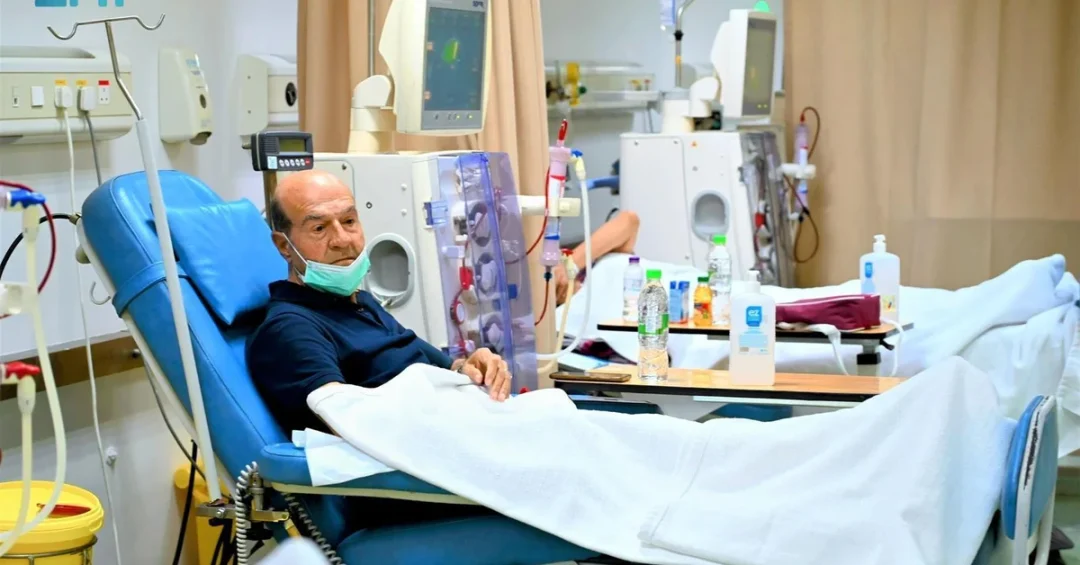
The Madinah Health Cluster has established a specialized dialysis unit at King Fahd Hospital to provide essential kidney care for pilgrims during the Hajj season. According to the Saudi Press Agency (SPA), the unit is equipped with 11 dialysis machines capable of performing 22 dialysis sessions per day, and since the start of this year’s Hajj season, 106 pilgrims have already benefited from these services. This initiative reflects the Kingdom’s unwavering commitment to ensuring the health and well-being of all guests during their spiritual journey.
Context and Background
The Hajj pilgrimage draws millions of Muslims from around the world annually, many of whom have chronic health conditions that require specialized medical attention. Kidney failure patients, in particular, depend on regular dialysis to maintain their health. Recognizing this need, the Madinah Health Cluster, a key healthcare provider in the region, has taken proactive measures to ensure that pilgrims with kidney disease can perform their religious duties without compromising their health. The establishment of a dedicated dialysis unit at King Fahd Hospital underscores Saudi Arabia’s broader strategy to enhance healthcare infrastructure during peak seasons, aligning with the goals of Saudi Vision 2030 to improve quality of life and provide world-class medical services.
Key Details
The dialysis unit at King Fahd Hospital is equipped with 11 state-of-the-art dialysis machines, enabling 22 sessions per day. These sessions are carefully scheduled in coordination with medical missions affiliated with Hajj companies to ensure seamless access for pilgrims. Since the beginning of the current Hajj season, 106 pilgrims have received dialysis treatment, demonstrating the unit’s critical role in safeguarding the health of vulnerable pilgrims. The Madinah Health Cluster emphasized that this service is part of its broader efforts to offer distinguished healthcare to all pilgrims, ensuring they can focus on their spiritual activities with peace of mind.
Implications and Impact
The provision of dialysis services for pilgrims has significant implications for the overall Hajj experience. By addressing the medical needs of kidney patients, Saudi Arabia reinforces its reputation as a compassionate and capable host of the annual pilgrimage. This initiative not only saves lives but also enhances the spiritual journey for those with chronic conditions, allowing them to participate fully in Hajj rituals. Moreover, it sets a benchmark for other nations in managing large-scale religious events with comprehensive healthcare support. The success of this unit highlights the effectiveness of Saudi Arabia’s integrated healthcare system and its ability to respond to the diverse needs of millions of visitors.
Vision 2030 Alignment
This initiative is a clear manifestation of Saudi Vision 2030’s objectives to strengthen the healthcare sector and improve the quality of services provided to citizens and visitors alike. By investing in advanced medical facilities and ensuring their accessibility during Hajj, the Kingdom demonstrates its commitment to fostering a healthy society and enhancing the overall pilgrim experience. As Saudi Arabia continues to welcome increasing numbers of pilgrims each year, such projects will remain integral to achieving the vision’s goals of sustainable development and global leadership in healthcare excellence.
20 Questions
Q1. What is the purpose of the dialysis unit at King Fahd Hospital?
A1. The unit was established to provide specialized dialysis treatment for pilgrims suffering from kidney failure during the Hajj season, ensuring they can perform their religious duties while maintaining their health.
Q2. How many dialysis machines are available in the unit?
A2. The unit is equipped with 11 dialysis machines.
Q3. How many dialysis sessions can be performed daily?
A3. The machines are capable of performing 22 dialysis sessions per day.
Q4. How many pilgrims have benefited from the service so far this Hajj season?
A4. Since the start of this year’s Hajj season, 106 pilgrims have benefited from the dialysis services.
Q5. Who established the dialysis unit?
A5. The Madinah Health Cluster set up the dialysis unit.
Q6. Where is the dialysis unit located?
A6. It is located at King Fahd Hospital in Madinah.
Q7. How are dialysis sessions scheduled for pilgrims?
A7. Sessions are scheduled in coordination with medical missions affiliated with Hajj companies to ensure orderly access.
Q8. Why is this service important for pilgrims?
A8. Many pilgrims have chronic kidney conditions requiring regular dialysis; this service allows them to participate in Hajj safely and comfortably.
Q9. Does this service align with Saudi Vision 2030?
A9. Yes, it aligns with Vision 2030’s goals to enhance healthcare and improve the quality of life for visitors.
Q10. Is the dialysis service free for pilgrims?
A10. As part of Saudi Arabia’s hospitality and healthcare commitment, such services are typically provided free of charge to pilgrims.
Q11. How does this initiative reflect Saudi Arabia’s dedication to pilgrim welfare?
A11. It demonstrates the Kingdom’s proactive approach to addressing the specific medical needs of pilgrims, ensuring their well-being throughout the spiritual journey.
Q12. What other health services are provided to pilgrims in Madinah?
A12. The Madinah Health Cluster offers a range of services including emergency care, primary healthcare, and specialized treatments at various facilities.
Q13. How does the unit handle potential increases in demand?
A13. The unit operates with a capacity of 22 sessions daily and coordinates with medical missions to prioritize and schedule patients efficiently.
Q14. Are the dialysis machines advanced?
A14. Yes, the unit is equipped with modern dialysis machines to ensure high-quality treatment.
Q15. What role do Hajj companies play in this service?
A15. Hajj companies facilitate coordination between pilgrims and the health cluster, ensuring that those in need receive timely dialysis sessions.
Q16. Has the service been well-received by pilgrims?
A16. Yes, the service has been instrumental in supporting pilgrims with kidney conditions, allowing them to focus on their spiritual activities.
Q17. Will the dialysis unit operate beyond the Hajj season?
A17. The unit is specifically set up for the Hajj season, but King Fahd Hospital continues to provide dialysis services year-round for residents and visitors.
Q18. How does this initiative compare to previous years?
A18. This year’s unit represents an expansion of ongoing efforts, with increased capacity and coordination to meet the growing number of pilgrims.
Q19. What measures are in place to ensure infection control in the unit?
A19. The unit adheres to strict international and Saudi health protocols for infection prevention and patient safety.
Q20. How can pilgrims access this service?
A20. Pilgrims in need of dialysis should contact their Hajj medical mission or the Madinah Health Cluster for scheduling and assistance.
Reader Feedback
We value your thoughts. Please share your feedback on this article.
Your feedback helps us improve our coverage.