


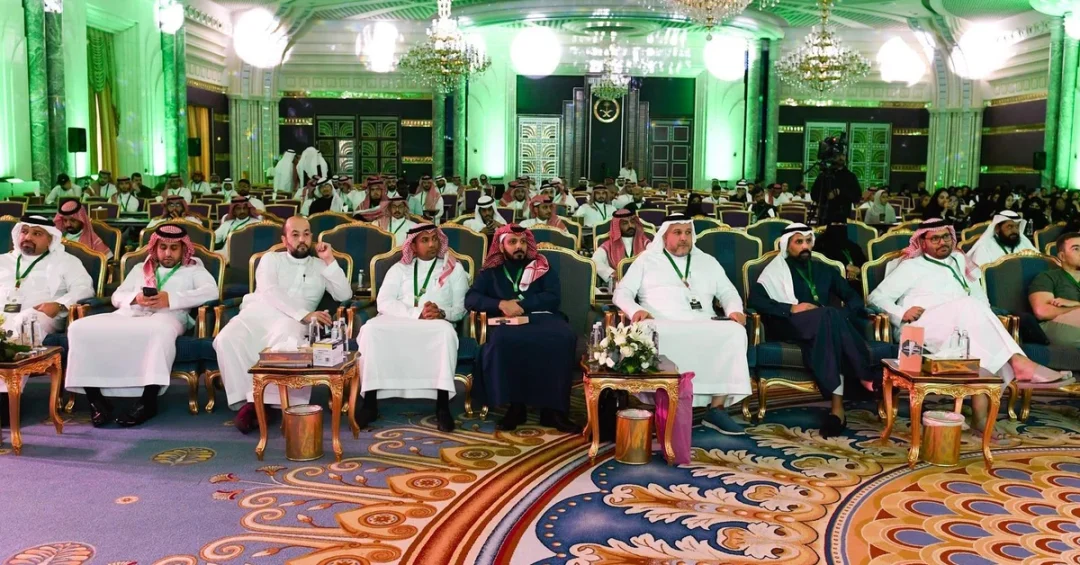
The 11th Scientific Assembly of the Saudi Society of Emergency Medicine (SASEM 2026) concluded today in Jeddah after three days of intensive scientific sessions, workshops, and collaborative activities. The conference, organized under the patronage of the Ministry of Health, brought together emergency medicine leaders, experts, and practitioners from within the Kingdom and abroad to address the latest advancements and challenges in the field.
Context and Background
Emergency medicine is a critical component of Saudi Arabia’s healthcare system, and the kingdom has invested significantly in training and infrastructure in line with Vision 2030’s goal to enhance the quality of life and healthcare services. The SASEM 2026 assembly serves as a platform for sharing knowledge and best practices, reflecting the country’s commitment to developing a world-class health sector capable of meeting both routine and exceptional demands.
The conference’s three-day agenda included keynote sessions, hands-on workshops, and panel discussions designed to elevate clinical standards and promote research. Participants explored strategies to integrate modern technology and leadership principles into emergency care, ensuring that a new generation of Saudi practitioners is equipped to handle complex and high-pressure situations with efficiency and empathy.
Key Details
Discussions focused on enhancing clinical practices, education, training, and scientific research, with an emphasis on leadership and innovation. The sessions examined the healthcare system’s preparedness for disasters and mass-casualty incidents, highlighting the importance of advance planning, realistic training, and simulation exercises. Experts underscored the need for decision-making under exceptional circumstances, particularly when resources are limited and casualty numbers surge.
A standout theme was Saudi Arabia’s accumulated expertise in crowd management during the annual Hajj and Umrah seasons. The conference showcased practical lessons from these large-scale events, offering insights into improving preparedness and coordination among healthcare teams. Delegates from various countries exchanged knowledge, strengthening international collaboration in emergency and disaster medicine and contributing to global best practices.
Implications and Impact
The assembly reinforces Saudi Arabia’s role as a regional leader in emergency medicine and disaster response. By sharing its proven strategies for mass-casualty management and large-scale health operations, the kingdom enhances its global standing and supports other nations in building resilient systems. The event also underscores the importance of continuous professional development and international partnership in advancing patient safety and care quality.
The knowledge exchanged in Jeddah will likely influence future emergency care protocols, not only in Saudi Arabia but across the region. As countries face increasing challenges from pandemics, natural disasters, and complex incidents, the lessons drawn from Saudi Arabia’s experience in crowd control and emergency preparedness offer valuable frameworks for improving global readiness.
Vision 2030 Alignment
SASEM 2026 directly contributes to Vision 2030’s healthcare objectives by fostering innovation, enhancing human capital, and promoting international cooperation in emergency medicine. The conference supports the transformation of the health sector, including the expansion of specialized care and the development of a skilled workforce capable of delivering high-quality services. By prioritizing readiness and collaboration, Saudi Arabia reaffirms its commitment to building a healthier, safer, and more resilient society for all residents and visitors.
20 Questions
Q1. What was the official name of the conference held in Jeddah?
A1. The conference was officially named the 11th Scientific Assembly of the Saudi Society of Emergency Medicine, often abbreviated as SASEM 2026. It was organized by the Saudi Society of Emergency Medicine under the patronage of the Ministry of Health.
Q2. When did SASEM 2026 conclude?
A2. The conference concluded on September 14, 2026, after a three-day schedule that began two days earlier. The closing day featured the final scientific sessions and a summary of key takeaways from the discussions.
Q3. How long did the conference last?
A3. The conference lasted for three days, packed with scientific sessions, workshops, and side activities. This timeframe allowed for deep exploration of various topics in emergency medicine, from clinical practices to disaster response strategies.
Q4. Who organized SASEM 2026?
A4. SASEM 2026 was organized by the Saudi Society of Emergency Medicine, the leading professional body for emergency care specialists in the Kingdom. The organization works to advance the specialty through education, research, and collaboration with health authorities.
Q5. Under whose patronage was the conference held?
A5. The conference was held under the patronage of the Saudi Ministry of Health, which oversees the kingdom’s public health system. The ministry’s support underscores the national priority given to improving emergency healthcare services.
Q6. Who participated in the conference?
A6. The conference attracted leaders, experts, and specialized practitioners from within Saudi Arabia and from various countries abroad. This international mix facilitated a rich exchange of ideas and experiences in emergency medicine.
Q7. What were the main themes of the conference?
A7. The main themes included advancing clinical practices, enhancing education and training, boosting scientific research, and developing leadership and innovation in emergency care. These themes guided the sessions and workshops throughout the event.
Q8. How did the conference address education and training?
A8. The conference dedicated significant time to education and training, offering workshops and sessions on modern teaching methods, simulation-based learning, and skill-building exercises. The goal was to prepare a new generation of emergency practitioners for real-world challenges.
Q9. What role did innovation play in the discussions?
A9. Innovation was highlighted as a driver of improved emergency care. Sessions explored new technologies, data-driven decision-making, and creative problem-solving approaches that could enhance efficiency and patient outcomes in emergency settings.
Q10. How did the conference focus on disaster and mass-casualty incidents?
A10. The conference discussed the healthcare system’s readiness for disasters and mass-casualty events, emphasizing the need for advance planning, realistic training, and simulation. Experts shared strategies for decision-making under extreme pressure and with limited resources.
Q11. What is the significance of planning for mass-casualty events?
A11. Planning is crucial because it ensures a coordinated, efficient response when a sudden surge of patients overwhelms routine operations. The conference stressed that preparedness saves lives and reduces strain on healthcare workers.
Q12. How did the conference address limited resources?
A12. The sessions examined ways to optimize care when resources—such as staff, equipment, or medications—are scarce. Strategies included triage protocols, adaptive approaches, and resource-sharing among facilities to manage increased patient numbers effectively.
Q13. What did the conference say about decision-making under uncertain conditions?
A13. Experts discussed how decision-making in exceptional circumstances requires calm, clear protocols, and the ability to adapt. Simulation and team-based training were presented as methods to develop these skills in emergency practitioners.
Q14. Why was Hajj and Umrah crowd management a key topic?
A14. Saudi Arabia’s experience in managing millions of pilgrims during Hajj and Umrah offers invaluable lessons in crowd management and emergency healthcare. The conference highlighted these practices as a model for other countries dealing with large gatherings.
Q15. What practical lessons were shared from Hajj experiences?
A15. The sessions presented detailed accounts of how Saudi teams coordinate and respond during pilgrim seasons, including rapid triage, medical surge capacity, and continuous communication among health entities. These lessons are applicable to other mass gatherings globally.
Q16. How did the conference support knowledge exchange with international specialists?
A16. The event included presentations and panel discussions where Saudi delegates shared data and insights with visiting experts, and vice versa. This mutual exchange strengthens global understanding and improves emergency medicine practices across borders.
Q17. What is the role of simulation in improving emergency preparedness?
A17. Simulation allows teams to practice responses in a controlled environment, building muscle memory and improving coordination. The conference showcased how realistic simulations can prepare staff for high-stakes situations without endangering real patients.
Q18. How does the conference contribute to patient safety?
A18. The focus on improving clinical practices, staff training, and system preparedness directly enhances patient safety. By equipping professionals with better skills and protocols, the conference helps reduce errors and improve outcomes for emergency patients.
Q19. What was the overall outcome of the SASEM 2026 assembly?
A19. The assembly concluded with new research insights, strengthened professional networks, and concrete recommendations for advancing emergency medicine in Saudi Arabia and abroad. Participants left with renewed commitment to improving care and readiness.
Q20. What are the next steps for emergency medicine in Saudi Arabia?
A20. Building on this conference, the Saudi Society of Emergency Medicine will continue to promote research, training, and collaboration. The findings will inform policy and practice, aligning with Vision 2030’s goals to create a world-class healthcare system.
Reader Feedback
We value your thoughts. Please share your feedback on this article.
Your feedback helps us improve our coverage.