


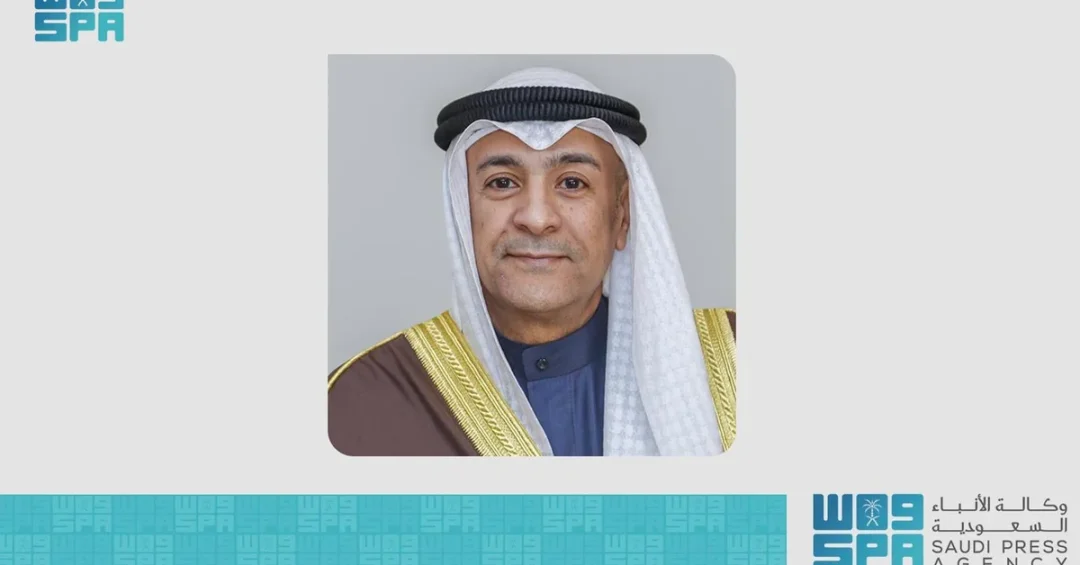
GCC Secretary General Jasem Mohamed Albudaiwi emphasized the strategic importance of the health sector for Gulf Cooperation Council countries, highlighting significant progress in healthcare infrastructure and services across the region. Speaking at the tenth meeting of GCC Ministers of Health in Doha, chaired by Qatar’s Minister of Public Health Dr. Hanan Mohamed Al Kuwari, Albudaiwi underscored the Gulf’s commitment to advancing healthcare as a cornerstone of regional development and citizen well-being.
How does such high-level collaboration shape the future of healthcare in the Gulf? The meeting, held on October 10, 2024, in Doha, brought together health ministers from all GCC member states to discuss joint efforts in enhancing health services, monitoring expatriate labor, unifying health specialty classifications, and implementing international health regulations. The discussions reflect a shared vision to strengthen the GCC’s capacity for comprehensive pandemic response and preparedness.
Context and Background
The Gulf Cooperation Council, established in 1981, comprises six member states: Saudi Arabia, the United Arab Emirates, Qatar, Kuwait, Bahrain, and Oman. Over the decades, the GCC has evolved into a robust framework for economic, political, and social cooperation, with health emerging as a critical area of joint action. The tenth meeting of GCC Ministers of Health marks a continuation of these efforts, building on prior achievements and addressing emerging challenges in the healthcare landscape. Why is regional cooperation in health so vital for the Gulf? With a growing population and increasing demands on healthcare systems, coordinated action ensures efficient resource utilization and equitable access to quality care.
Saudi Arabia, under the leadership of the Custodian of the Two Holy Mosques King Salman bin Abdulaziz Al Saud and Crown Prince Mohammed bin Salman, has been at the forefront of advancing healthcare both domestically and regionally. The Kingdom’s Vision 2030 includes ambitious targets to transform the health sector, focusing on privatization, digitalization, and improved patient outcomes. As a key player in the GCC, Saudi Arabia’s efforts align with the broader regional goal of enhancing health security and promoting healthy communities. The meeting in Doha thus represents a pivotal moment to assess progress and chart the way forward.
What specific outcomes can be expected from such high-level gatherings? The discussions in Doha covered a range of topics, from unifying classification and registration procedures for health specialties to standardizing health procedures at border crossings. These measures are designed to facilitate the movement of patients and health professionals across borders, ensuring continuity of care and rapid response during health emergencies. The commitment to these initiatives underscores the GCC’s proactive approach to regional health integration.
Key Details
During the meeting, Secretary General Albudaiwi presented impressive statistics that illustrate the GCC’s healthcare achievements. In 2022, the number of hospital beds in the GCC exceeded 121,000, with over 224,000 registered doctors and 69,000 pharmacists. Furthermore, more than 400,000 Gulf citizens benefited from government medical services in other GCC countries in 2023. These figures demonstrate the scale and effectiveness of the region’s healthcare infrastructure, which continues to expand to meet the needs of a growing population. How do these numbers translate into better health outcomes for Gulf citizens? They signify improved access to care, enhanced capacity to handle health crises, and a commitment to maintaining high standards of medical services.
Albudaiwi acknowledged the facilities and support provided by Qatar and expressed gratitude for the ongoing support from the leaders of the member states. He emphasized the importance of continued efforts to advance the GCC mission for the benefit of its people. The secretary general also highlighted the GCC’s regional and international standing in the healthcare sector, citing increases in medical doctors, hospital beds, pharmaceutical products, and standardized specifications. This success, he noted, is attributed to the concerted efforts of member states and their commitment to providing high-quality healthcare.
The ministers of health discussed several topics requiring decisions to enhance joint Gulf achievements in the health sector. These included continuing joint efforts to monitor expatriate labor and achieving the noble goals of the GCC to unify classification and registration procedures for health specialties. They also addressed implementing international health regulations and standardizing health procedures at border crossings among member states to strengthen the GCC’s capacity for comprehensive pandemic response and preparedness. Additionally, the ministers emphasized raising awareness among citizens through promoting healthy cities and shopping centers, based on a strong belief in the importance of health practices that support a conscious Gulf community. The meeting participants covered the continuation of close coordination among countries in health matters and reviewed the outputs of technical committees and proposals from member states for developing and enhancing health services.
International and Regional Impact
The GCC’s health sector advancements have significant implications beyond the region. As a model of regional cooperation, the GCC’s approach to health security and pandemic preparedness serves as a blueprint for other regional organizations worldwide. The emphasis on unified health procedures and international health regulations aligns with global health standards set by the World Health Organization and other international bodies. How does this cooperation enhance the GCC’s global standing? By demonstrating a unified front and sharing best practices, GCC countries can influence global health policies and contribute to international health security.
Moreover, the GCC’s investments in healthcare infrastructure and human resources have made it an attractive destination for medical tourism and pharmaceutical innovation. The increase in hospital beds, doctors, and pharmacists not only benefits citizens but also positions the region as a hub for advanced medical care. This attracts patients from neighboring countries and beyond, boosting economic diversification and knowledge transfer. The standardization of health procedures at border crossings further facilitates the movement of patients and professionals, fostering a more integrated regional health market. In a world where health crises can quickly cross borders, the GCC’s collective approach is both prudent and forward-looking.
Economic and Strategic Significance
The health sector is a major contributor to the GCC economies, accounting for a substantial share of government spending and employment. Investments in healthcare infrastructure, technology, and human capital drive economic growth and create jobs. For Saudi Arabia, the health sector is a key pillar of Vision 2030, which aims to diversify the economy away from oil and enhance the quality of life for citizens. The Kingdom has launched numerous initiatives, such as the Health Sector Transformation Program, to restructure the health system, improve service quality, and increase private sector participation. How does this align with the broader GCC goals? By sharing expertise and resources, GCC countries can accelerate their respective health transformations and achieve economies of scale.
Strategically, a healthy population is essential for national security and productivity. The GCC’s focus on preventive care, healthy cities, and awareness campaigns reflects a shift towards proactive health management. This not only reduces the burden on healthcare systems but also enhances the overall well-being of society. The emphasis on monitoring expatriate labor and unifying health specialty classifications ensures that the workforce remains healthy and productive, supporting economic diversification efforts. As the GCC continues to integrate, the health sector will play a pivotal role in fostering regional stability and prosperity.
Vision 2030 Alignment
Saudi Arabia’s Vision 2030 places health at the center of its social and economic development agenda. The vision seeks to increase life expectancy, improve healthcare quality, and enhance the efficiency of health services. The Kingdom’s participation in the GCC health meetings is integral to achieving these goals, as it allows for the exchange of knowledge, alignment of regulations, and joint investments in healthcare innovation. Under the guidance of Crown Prince Mohammed bin Salman, Saudi Arabia is transforming its health sector through digitalization, privatization, and public-private partnerships. The GCC platform amplifies these efforts by providing a collaborative environment to address common challenges.
Looking ahead, the outcomes of the tenth meeting of GCC Ministers of Health will contribute to a more integrated and resilient health system across the Gulf. The decisions made in Doha will pave the way for enhanced coordination, improved service delivery, and stronger pandemic preparedness. As the GCC continues to prioritize health, it reinforces its commitment to the well-being of its citizens and residents, aligning with the aspirations of Vision 2030 and the broader goals of regional cooperation. How will these efforts shape the future of healthcare in the Gulf? They will undoubtedly lead to a healthier, more prosperous region that serves as a model for the world.
20 Questions
Q1. What was the main focus of the tenth meeting of GCC Ministers of Health?
A1. The meeting focused on enhancing joint Gulf achievements in the health sector, including monitoring expatriate labor, unifying health specialty classifications, implementing international health regulations, and standardizing health procedures at border crossings.
Q2. How many hospital beds were available in the GCC in 2022?
A2. In 2022, the number of hospital beds in the GCC exceeded 121,000, reflecting significant investment in healthcare infrastructure across the region.
Q3. How many registered doctors and pharmacists were there in the GCC?
A3. There were over 224,000 registered doctors and 69,000 pharmacists in the GCC, demonstrating a strong healthcare workforce dedicated to serving the region’s population.
Q4. How many Gulf citizens benefited from government medical services in other GCC countries in 2023?
A4. More than 400,000 Gulf citizens benefited from government medical services in other GCC countries in 2023, highlighting the seamless access to care across borders.
Q5. Who chaired the tenth meeting of GCC Ministers of Health?
A5. The meeting was chaired by Qatar’s Minister of Public Health, Dr. Hanan Mohamed Al Kuwari, who led discussions on key health initiatives and regional cooperation.
Q6. What did GCC Secretary General Jasem Mohamed Albudaiwi emphasize about the health sector?
A6. He emphasized the strategic importance of the health sector for GCC countries and highlighted the significant progress made in healthcare infrastructure and services across the region.
Q7. What topics were discussed regarding expatriate labor?
A7. The ministers discussed continuing joint efforts to monitor expatriate labor and achieving the GCC’s goals to unify classification and registration procedures for health specialties.
Q8. Why is standardizing health procedures at border crossings important?
A8. It strengthens the GCC’s capacity for comprehensive pandemic response and preparedness, ensuring rapid and coordinated action during health emergencies.
Q9. How does the GCC promote awareness among citizens?
A9. The GCC promotes awareness by encouraging healthy cities and shopping centers, based on a strong belief in the importance of health practices that support a conscious Gulf community.
Q10. What did the meeting participants review?
A10. They reviewed the outputs of technical committees in the health sector and proposals from member states for developing and enhancing health services.
Q11. How does the GCC’s health sector cooperation impact the region?
A11. It enhances regional health security, facilitates patient and professional mobility, and positions the GCC as a model for regional health integration worldwide.
Q12. What is the significance of the GCC’s healthcare achievements for global health?
A12. The achievements demonstrate the GCC’s commitment to high-quality healthcare and contribute to global health security through adherence to international health regulations.
Q13. How does Saudi Arabia’s Vision 2030 align with GCC health goals?
A13. Vision 2030 includes health sector transformation, aiming to improve quality, efficiency, and access, which aligns with the GCC’s collective efforts to enhance regional healthcare.
Q14. What economic benefits does the health sector bring to the GCC?
A14. The health sector drives economic growth, creates jobs, attracts medical tourism, and fosters innovation, contributing to economic diversification away from oil.
Q15. How does the GCC ensure a healthy workforce?
A15. By monitoring expatriate labor and unifying health specialty classifications, the GCC ensures that the workforce remains healthy and productive, supporting economic diversification.
Q16. What role does Qatar play in the GCC health sector?
A16. Qatar provides facilities and support for GCC health meetings, as acknowledged by Secretary General Albudaiwi, and actively participates in regional health initiatives.
Q17. How does the GCC address pandemic preparedness?
A17. The GCC addresses pandemic preparedness by implementing international health regulations and standardizing health procedures at border crossings for rapid, coordinated responses.
Q18. What is the goal of unifying classification and registration procedures for health specialties?
A18. The goal is to facilitate the movement of health professionals across borders, ensure quality standards, and enhance regional cooperation in healthcare delivery.
Q19. How does the GCC’s health sector benefit its citizens?
A19. It provides improved access to quality healthcare, enhances service delivery, and ensures preparedness for health emergencies, ultimately improving the well-being of all citizens.
Q20. What future steps will the GCC take to advance health sector cooperation?
A20. The GCC will continue joint efforts to monitor expatriate labor, implement health regulations, promote healthy cities, and review technical committee outputs to enhance health services.
Reader Feedback
We value your thoughts. Please share your feedback on this article.
Your feedback helps us improve our coverage.