


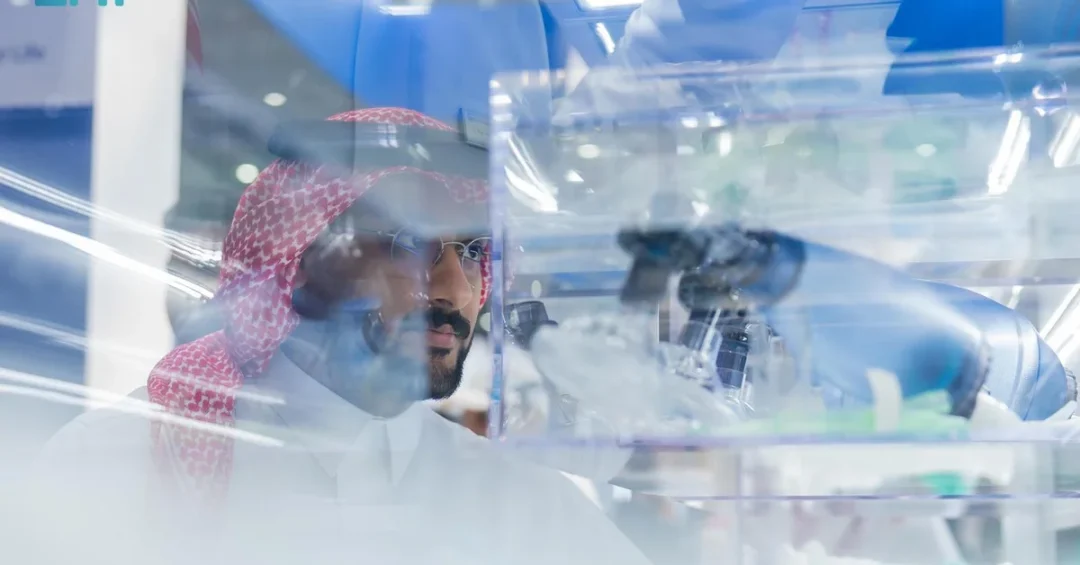
The Global Health Exhibition in Riyadh concluded its third day with a series of high-level scientific sessions focused on leveraging modern technologies, fostering future medical leaders, and advancing patient-centered care, as announced by the Saudi Press Agency (SPA). The event, held under the patronage of the Ministry of Health, brought together healthcare professionals, policymakers, and innovators from around the world to discuss the transformation of healthcare services in the Kingdom and beyond. The sessions underscored Saudi Arabia’s commitment to achieving the goals of Vision 2030 by building a resilient, technology-driven healthcare ecosystem that prioritizes quality, accessibility, and innovation.
Have you ever wondered how nations can future-proof their healthcare systems against emerging challenges? The discussions in Riyadh offered a compelling blueprint. From value-based care to women’s leadership, the day’s agenda reflected a holistic approach to health that aligns with global best practices and local aspirations. The exhibition also served as a platform for multiple partnerships and agreements, highlighting the collaborative spirit driving Saudi Arabia’s healthcare evolution. As the event draws to a close, it leaves behind a legacy of innovation and a clear roadmap for the future of medicine.
Context and Background
The Global Health Exhibition is one of the Middle East’s largest healthcare gatherings, attracting thousands of exhibitors and visitors annually. This year’s edition, held in Riyadh from October 21 to 24, 2024, focused on the theme of transforming healthcare through innovation and collaboration. The third day’s sessions delved into critical topics such as the development of healthcare services using modern technologies, the shaping of future medical leaders through innovative education, and the enhancement of healthcare through value-based and patient-centered approaches. These discussions are particularly timely as Saudi Arabia accelerates its efforts to diversify its economy and improve the quality of life for its citizens and residents.
Why is value-based care gaining such traction in Saudi Arabia? The answer lies in the Kingdom’s ambitious Health Sector Transformation Program, a key component of Vision 2030, which aims to restructure the health sector to be more efficient, equitable, and patient-centric. By shifting from volume-based to value-based care, Saudi Arabia seeks to improve treatment outcomes, reduce waste, and ensure that every riyal spent delivers maximum benefit. The exhibition provided a forum for experts to share insights on achieving value identification in Saudi Arabia and the national ambition for value, a concept that resonates with healthcare systems worldwide.
Moreover, the focus on women’s health and well-being, as well as women’s leadership in healthcare, reflects a broader societal shift in the Kingdom. Under Vision 2030, women’s participation in the workforce and leadership roles has been actively encouraged, and the healthcare sector is no exception. The sessions addressed cultural and social barriers that women in healthcare may face and explored strategies to overcome them, highlighting the importance of inclusivity in building a robust healthcare system.
Key Details
The third day of the exhibition featured a packed agenda of scientific sessions and workshops. Discussions covered strengthening public-private sector partnerships and healthcare privatization, opening investment horizons and overcoming financial barriers, balancing innovation and regulation in healthcare, and the growth of healthcare ecosystems. These topics are central to Saudi Arabia’s strategy to attract investment, foster innovation, and ensure that regulatory frameworks keep pace with rapid technological advancements. The sessions also addressed the importance of public-private partnerships in driving efficiency and improving service delivery.
What role do partnerships play in advancing healthcare? The day witnessed multiple agreements that exemplify collaboration across sectors. A cooperation deal was signed between Health Holding and Huawei, aimed at leveraging digital technologies to enhance healthcare services. Another partnership was forged between the Council of Health Insurance and Johns Hopkins Aramco Healthcare, focusing on improving insurance practices and patient care. Additionally, the Ministry of Health’s engineering and supply affairs department signed two memoranda of understanding (MoUs) with Ascend Solutions and Alramz Medical, while the ministry’s hematology services department signed an MoU with GSK, in addition to another MoU with Pfizer. These agreements underscore the commitment to innovation and excellence in healthcare delivery.
The exhibition also showcased unique hubs and experiences, such as the SEHA Virtual Hospital, which demonstrates the potential of telemedicine to extend care to remote areas. The NUPCO Health Innovation Hackathon and the Vision NextGen startup competition provided platforms for entrepreneurs and innovators to present solutions to pressing healthcare challenges. Attendees also had the opportunity to engage with 3D medical diagnostics and participate in the Medical Escape Room Challenge, an interactive way to learn about emergency medicine. These initiatives reflect Saudi Arabia’s drive to foster a culture of innovation and entrepreneurship in healthcare.
International and Regional Impact
The Global Health Exhibition has significant implications beyond Saudi Arabia’s borders. As the largest healthcare event in the region, it serves as a melting pot of ideas and a catalyst for international cooperation. The presence of global companies like Huawei, GSK, and Pfizer highlights the attractiveness of the Saudi healthcare market and the opportunities it presents for foreign investment and partnership. The agreements signed during the event are expected to have ripple effects across the Middle East and North Africa, as neighboring countries look to Saudi Arabia as a model for healthcare transformation.
How does Saudi Arabia’s healthcare evolution influence the global stage? By investing in cutting-edge technologies and fostering a conducive environment for innovation, the Kingdom is positioning itself as a leader in healthcare solutions. The emphasis on value-based care and patient-centered approaches aligns with global trends and sets a benchmark for other nations. Furthermore, the focus on women’s leadership in healthcare sends a powerful message about the importance of diversity and inclusion in driving progress. As Saudi Arabia shares its experiences and best practices, it contributes to the global dialogue on sustainable healthcare systems.
Economic and Strategic Significance
The healthcare sector is a key pillar of Saudi Arabia’s economic diversification strategy. According to Vision 2030, the Kingdom aims to increase private sector participation in healthcare from 40% to 65% by 2030, creating vast opportunities for investors and entrepreneurs. The Global Health Exhibition serves as a platform to showcase these opportunities and facilitate deals that drive economic growth. The MoUs signed during the event are not just symbolic; they represent concrete steps toward building a vibrant healthcare ecosystem that can compete globally.
Why is healthcare privatization so crucial for Saudi Arabia? Privatization is expected to improve efficiency, enhance quality, and reduce the burden on public finances. By partnering with private entities, the government can leverage their expertise and capital to expand services and introduce innovative care models. The exhibition’s discussions on overcoming financial barriers and balancing innovation with regulation are essential to creating an enabling environment for private investment. As these efforts progress, they will contribute to job creation, technology transfer, and the overall development of the Saudi economy.
Vision 2030 Alignment
The Global Health Exhibition is a clear manifestation of Saudi Arabia’s Vision 2030, which seeks to transform the Kingdom into a global hub for healthcare innovation and investment. The event’s focus on technology, education, and patient-centered care directly supports the Health Sector Transformation Program, one of the Vision’s realization programs. By bringing together local and international stakeholders, the exhibition accelerates the exchange of knowledge and fosters partnerships that are essential for achieving the ambitious goals of Vision 2030.
What does the future hold for Saudi healthcare? The success of the Global Health Exhibition indicates a bright future, with continued investment in digital health, artificial intelligence, and precision medicine. The Kingdom is committed to ensuring that its healthcare system is not only world-class but also sustainable and equitable. As Saudi Arabia marches toward 2030 and beyond, events like this will remain instrumental in shaping policies, driving innovation, and improving the health and well-being of all. The partnerships and insights gained will undoubtedly contribute to a healthier, more prosperous future for the Kingdom and the world.
20 Questions
Q1. What was the main focus of the third day of the Global Health Exhibition?
A1. The third day focused on scientific sessions addressing healthcare development through modern technologies, shaping future medical leaders, value-based care, women’s health, public-private partnerships, and healthcare privatization.
Q2. Where and when did the Global Health Exhibition take place?
A2. The exhibition took place in Riyadh, Saudi Arabia, from October 21 to 24, 2024, with the third day’s sessions held on October 24.
Q3. Which organizations signed a cooperation deal with Huawei?
A3. Health Holding signed a cooperation deal with Huawei to leverage digital technologies for enhancing healthcare services.
Q4. What partnership was formed between the Council of Health Insurance and Johns Hopkins Aramco Healthcare?
A4. The partnership aims to improve insurance practices and patient care through collaborative efforts.
Q5. Which departments of the Ministry of Health signed MoUs, and with whom?
A5. The engineering and supply affairs department signed MoUs with Ascend Solutions and Alramz Medical, while the hematology services department signed MoUs with GSK and Pfizer.
Q6. What is the SEHA Virtual Hospital?
A6. The SEHA Virtual Hospital is a unique hub at the exhibition that demonstrates the potential of telemedicine to extend healthcare services to remote areas.
Q7. What was the NUPCO Health Innovation Hackathon?
A7. The NUPCO Health Innovation Hackathon is a competition that allows innovators to develop solutions for pressing healthcare challenges.
Q8. What is the Vision NextGen startup competition?
A8. The Vision NextGen startup competition is a platform for entrepreneurs to present innovative healthcare solutions aligned with Saudi Vision 2030.
Q9. What topics were discussed regarding women in healthcare?
A9. Discussions covered women’s health and well-being, women’s leadership in healthcare, and overcoming cultural and social barriers.
Q10. How does the exhibition support Saudi Vision 2030?
A10. It supports Vision 2030 by fostering healthcare innovation, investment, and partnerships that align with the Health Sector Transformation Program.
Q11. What is value-based care, and why is it important for Saudi Arabia?
A11. Value-based care focuses on improving patient outcomes relative to cost. It is important for Saudi Arabia to enhance efficiency and achieve the national ambition for value in healthcare.
Q12. What role do public-private partnerships play in Saudi healthcare?
A12. Public-private partnerships are crucial for attracting investment, improving efficiency, and expanding healthcare services to meet Vision 2030 goals.
Q13. What is the significance of the Medical Escape Room Challenge?
A13. It is an interactive experience that educates participants about emergency medicine in an engaging way.
Q14. How does the exhibition address balancing innovation and regulation?
A14. Sessions explored how to foster innovation while ensuring regulatory frameworks protect patients and maintain quality standards.
Q15. What is the goal of healthcare privatization in Saudi Arabia?
A15. The goal is to increase private sector participation to 65% by 2030, improving efficiency and reducing the burden on public finances.
Q16. Which global companies participated in the exhibition?
A16. Global companies such as Huawei, GSK, and Pfizer participated, signing agreements and showcasing their commitment to Saudi healthcare.
Q17. What is the Health Sector Transformation Program?
A17. It is a Vision 2030 realization program aimed at restructuring the health sector to be more efficient, equitable, and patient-centric.
Q18. How does the exhibition contribute to medical education?
A18. It features sessions on shaping future medical leaders through innovative education, highlighting new teaching methods and technologies.
Q19. What are the expected outcomes of the MoUs signed?
A19. The MoUs are expected to lead to improved healthcare services, technology transfer, and enhanced collaboration between public and private sectors.
Q20. What does the future hold for Saudi healthcare post-exhibition?
A20. The future holds continued investment in digital health, AI, and precision medicine, with a focus on sustainability and equity, driving Saudi Arabia toward global leadership in healthcare.
Reader Feedback
We value your thoughts. Please share your feedback on this article.
Your feedback helps us improve our coverage.