


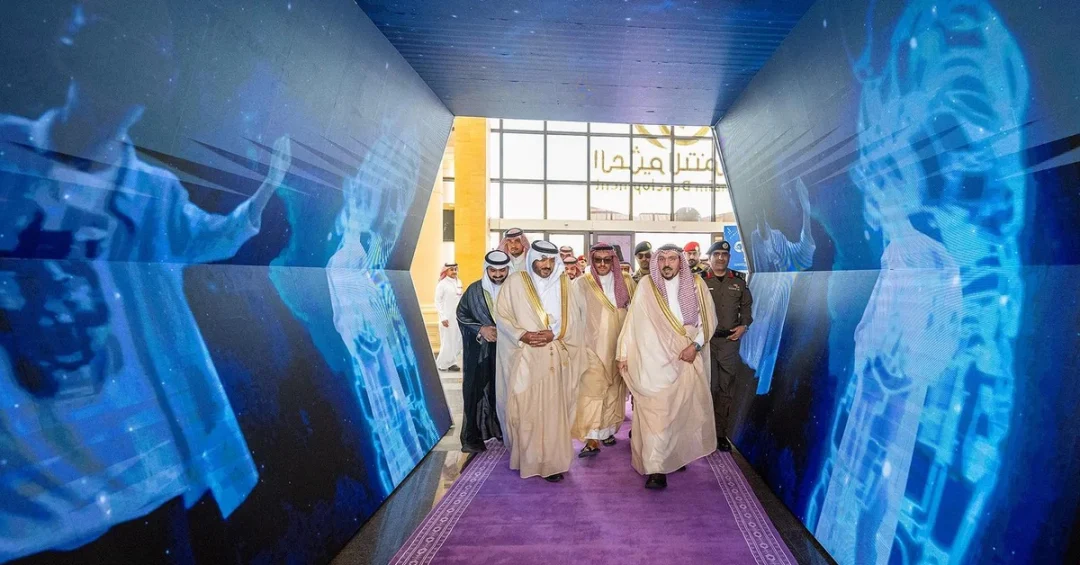
The Governor of the Qassim Region, Prince Dr. Faisal bin Mishaal bin Saud bin Abdulaziz, officially inaugurated the 2024 Qassim International Surgery Conference (QISR) on November 21, 2024, at the King Khalid Cultural Center in Buraidah, under the theme “Revolution in Surgical Technology.” The three-day event, announced via the Saudi Press Agency (SPA), brings together 135 speakers from inside and outside the Kingdom, features 113 scientific lectures across 15 specialized surgical fields, and hosts 11 medical workshops, alongside an accompanying exhibition of advanced medical devices. The conference underscores Saudi Arabia’s commitment to advancing healthcare through technology and international collaboration, aligning with the goals of Saudi Vision 2030.
Why does a regional surgical conference in Qassim matter on the global stage? Because it reflects a broader transformation underway in the Kingdom’s health sector, where regional centers of excellence are increasingly connected to international knowledge networks. The Qassim International Surgery Conference, organized by King Fahad Specialist Hospital in Buraidah, is not merely a local event; it is a platform where Saudi medical professionals exchange expertise with global peers, showcase innovations, and contribute to raising the standard of patient care. As the Kingdom invests heavily in healthcare infrastructure and digital health under Vision 2030, gatherings like QISR signal a strategic shift toward knowledge-based, technology-driven medicine that benefits citizens and residents alike.
Context and Background
How did Qassim become a hub for advanced surgical dialogue? The region, known for its agricultural heritage and growing urban centers, has steadily expanded its healthcare capabilities. King Fahad Specialist Hospital in Buraidah has emerged as a key referral center, offering specialized services that attract patients from across the region. The annual Qassim International Surgery Conference builds on this foundation, creating a dedicated space for surgeons, researchers, and medical technology companies to convene. According to official Saudi sources, the 2024 edition focuses on the “Revolution in Surgical Technology,” a theme that captures the rapid integration of robotics, minimally invasive techniques, and digital tools into modern operating rooms.
The conference’s timing is significant. Saudi Arabia’s health sector is undergoing a comprehensive transformation under Vision 2030, which aims to diversify the economy and enhance quality of life. The Ministry of Health has prioritized digital health, public-private partnerships, and specialized care. By hosting an international conference in Qassim, the Kingdom demonstrates that healthcare advancement is not confined to major metropolitan areas like Riyadh or Jeddah but is spreading across all regions. This decentralized approach ensures that communities throughout Saudi Arabia benefit from the latest medical knowledge and technologies, a core objective of the national transformation.
Moreover, the event highlights the role of scientific exchange in fostering innovation. With 135 speakers from within and outside the Kingdom, QISR facilitates cross-border collaboration. Such interactions are vital for adopting best practices, validating new procedures, and accelerating the translation of research into clinical practice. The presence of leading local and international medical companies further enriches the ecosystem, offering hands-on exposure to cutting-edge equipment and techniques. For Saudi healthcare professionals, this is an opportunity to learn, network, and contribute to the global surgical community.
Key Details
What exactly does the 2024 Qassim International Surgery Conference offer? In his opening remarks, Prince Dr. Faisal bin Mishaal bin Saud bin Abdulaziz emphasized the importance of leveraging modern technology to improve healthcare services. He stated, “This conference serves as an important scientific platform, bringing together experts and specialists to exchange knowledge and expertise, thereby enhancing the quality of medical care and boosting the capabilities of the healthcare sector.” The Governor also noted that technology has become an essential partner in improving surgical outcomes, and he credited Saudi Vision 2030 for the Kingdom’s remarkable progress in adopting modern technology in medicine.
Dr. Majed Alrudayni, Director of King Fahad Specialist Hospital in Buraidah, expressed gratitude to the Governor for his support, which he said plays a role in fostering collaboration among doctors and experts from within the Kingdom and abroad. He outlined the conference’s comprehensive program: 113 scientific lectures spanning 15 specialized surgical fields, 11 medical workshops, and an accompanying exhibition showcasing the latest advanced medical devices and technologies. The workshops, organized in collaboration with leading local and international medical companies, are designed to support and develop the skills of healthcare professionals.
The diversity of topics and formats ensures that participants gain both theoretical knowledge and practical experience. The 15 surgical fields likely include general surgery, orthopedics, neurosurgery, cardiovascular surgery, pediatric surgery, and others, reflecting the breadth of modern surgical practice. The exhibition allows attendees to interact with new surgical instruments, imaging systems, and digital platforms that can enhance precision and patient safety. By combining lectures, workshops, and exhibitions, QISR creates a multifaceted learning environment that caters to different learning styles and professional needs.
International and Regional Impact
How does a conference in Qassim resonate beyond Saudi borders? The participation of international speakers and companies signals that Saudi Arabia is an increasingly important player in global medical dialogue. By attracting experts from abroad, QISR facilitates the exchange of knowledge and fosters partnerships that can lead to collaborative research, clinical trials, and training programs. For regional neighbors, the conference offers a model of how to integrate advanced technology into surgical care while respecting local contexts. It also positions the Kingdom as a destination for medical education and innovation, complementing its broader efforts to diversify the economy and attract international investment in healthcare.
Furthermore, the event strengthens Saudi Arabia’s soft power by demonstrating its commitment to improving health outcomes and sharing knowledge. In a world where health challenges are increasingly transnational, platforms like QISR contribute to global health security by disseminating best practices and promoting adherence to international standards. The presence of leading medical companies also underscores the commercial potential of the Saudi healthcare market, which is expanding rapidly under Vision 2030. As the Kingdom builds smart hospitals, adopts telemedicine, and invests in biotechnology, conferences such as this serve as catalysts for technology transfer and local capacity building.
Economic and Strategic Significance
What economic and strategic value does the Qassim International Surgery Conference generate? At the local level, it stimulates the regional economy by drawing visitors, generating demand for hospitality and related services, and showcasing Qassim as a center of excellence. More importantly, it contributes to the development of human capital. By training healthcare professionals in the latest techniques, the conference helps raise the quality of care, reduce the need for patients to travel abroad for treatment, and ultimately improve health outcomes. This aligns with Vision 2030’s goal of enhancing the quality and efficiency of health services, which is essential for a productive and prosperous society.
Strategically, the conference supports the Kingdom’s ambitions to become a leader in medical innovation. Saudi Arabia is investing in genomics, precision medicine, and artificial intelligence in healthcare, and events like QISR provide a platform to showcase these advances and connect with global experts. The involvement of local and international medical companies also signals a vibrant ecosystem where research, entrepreneurship, and clinical practice intersect. As the Kingdom continues to develop its healthcare sector, such conferences will play a crucial role in attracting talent, fostering innovation, and ensuring that Saudi Arabia remains at the forefront of surgical technology.
Vision 2030 Alignment
How does the Qassim International Surgery Conference embody the spirit of Saudi Vision 2030? Vision 2030 aims to transform the Kingdom into a diversified, knowledge-based economy with world-class public services. Healthcare is a cornerstone of this vision, with specific targets to improve access, quality, and efficiency. By hosting an international conference that emphasizes technology and collaboration, Qassim directly contributes to these objectives. The event also promotes the Vision’s emphasis on lifelong learning and skills development, as workshops and lectures help healthcare professionals stay abreast of rapid advancements. Moreover, it reinforces the Kingdom’s openness to international partnerships, a key pillar of Vision 2030.
In conclusion, the 2024 Qassim International Surgery Conference is more than a scientific gathering; it is a testament to Saudi Arabia’s determination to lead in healthcare innovation. Under the patronage of Prince Dr. Faisal bin Mishaal bin Saud bin Abdulaziz and with the efforts of King Fahad Specialist Hospital, the conference brings together minds from around the world to shape the future of surgery. As the Kingdom marches toward Vision 2030, such initiatives will continue to elevate Saudi Arabia’s global standing, improve the lives of its people, and inspire progress across the region. The revolution in surgical technology is not just a theme; it is a reality unfolding in Qassim and beyond.
20 Questions
Q1. What is the Qassim International Surgery Conference?
A1. The Qassim International Surgery Conference (QISR) is an annual medical event held in Buraidah, Saudi Arabia, that brings together surgeons, experts, and medical companies to discuss and showcase the latest advancements in surgical technology and practice.
Q2. Who inaugurated the 2024 Qassim International Surgery Conference?
A2. The Governor of the Qassim Region, Prince Dr. Faisal bin Mishaal bin Saud bin Abdulaziz, officially inaugurated the 2024 conference on November 21, 2024, at the King Khalid Cultural Center in Buraidah.
Q3. What is the theme of the 2024 Qassim International Surgery Conference?
A3. The theme is “Revolution in Surgical Technology,” reflecting the rapid integration of advanced technologies such as robotics, minimally invasive techniques, and digital tools into modern surgical practice.
Q4. How long does the conference last?
A4. The conference runs for three days, providing ample time for lectures, workshops, and exhibitions that facilitate in-depth learning and networking among participants from Saudi Arabia and abroad.
Q5. Where is the conference being held?
A5. The event is held at the King Khalid Cultural Center in Buraidah, the capital of the Qassim Region, a venue that accommodates the large number of attendees and the accompanying medical exhibition.
Q6. How many speakers are participating in the conference?
A6. The conference hosts 135 speakers from both within the Kingdom and outside, bringing a diverse range of expertise and perspectives to the scientific program.
Q7. How many scientific lectures are featured?
A7. There are 113 scientific lectures across 15 specialized surgical fields, ensuring comprehensive coverage of the latest research, techniques, and innovations in surgery.
Q8. What is the purpose of the medical workshops?
A8. The 11 medical workshops are designed to provide hands-on training and develop the skills of healthcare professionals, organized in collaboration with leading local and international medical companies.
Q9. Who is Dr. Majed Alrudayni?
A9. Dr. Majed Alrudayni is the Director of King Fahad Specialist Hospital in Buraidah, and he expressed gratitude to the Governor for supporting the conference and highlighted its role in fostering collaboration.
Q10. What did Prince Dr. Faisal say about technology in surgery?
A10. He stated that technology has become an essential partner in improving surgical outcomes and enhancing the quality of healthcare services, and he credited Saudi Vision 2030 for the Kingdom’s progress in adopting modern technology in medicine.
Q11. What is the role of King Fahad Specialist Hospital in the conference?
A11. King Fahad Specialist Hospital in Buraidah is the organizer of the conference, and its director, Dr. Majed Alrudayni, emphasized the event’s role in fostering collaboration and knowledge exchange among doctors and experts.
Q12. How does the conference support Saudi Vision 2030?
A12. The conference supports Vision 2030 by advancing healthcare quality, promoting technology adoption, fostering international collaboration, and developing the skills of healthcare professionals, all of which align with the Vision’s goals for a diversified economy and improved quality of life.
Q13. What is the accompanying exhibition about?
A13. The exhibition showcases the latest advanced medical devices and technologies, allowing healthcare professionals to interact with new surgical instruments, imaging systems, and digital platforms that can enhance precision and patient safety.
Q14. Who are the participants from outside the Kingdom?
A14. The conference includes international speakers and experts from various countries, as well as leading global medical companies, who contribute to the exchange of knowledge and best practices in surgery.
Q15. What are the 15 specialized surgical fields?
A15. While the specific fields are not listed in the source, they likely include general surgery, orthopedics, neurosurgery, cardiovascular surgery, pediatric surgery, and others, reflecting the breadth of modern surgical practice.
Q16. How does the conference benefit patients in Qassim?
A16. By training local healthcare professionals in the latest techniques and technologies, the conference helps raise the quality of care, reduce the need for patients to travel abroad for treatment, and ultimately improve health outcomes in the region.
Q17. What economic impact does the conference have on the region?
A17. The conference stimulates the local economy by drawing visitors, generating demand for hospitality and related services, and showcasing Qassim as a center of medical excellence, which can attract future investment and talent.
Q18. How does the conference promote international collaboration?
A18. By bringing together experts from Saudi Arabia and abroad, the conference facilitates the exchange of knowledge, fosters partnerships for research and training, and positions the Kingdom as an important player in global medical dialogue.
Q19. What is the significance of the theme “Revolution in Surgical Technology”?
A19. The theme highlights the transformative impact of technology on surgery, including robotics, minimally invasive techniques, and digital tools, and underscores Saudi Arabia’s commitment to adopting these innovations to improve patient care.
Q20. What is the future outlook for such conferences in Saudi Arabia?
A20. As Saudi Arabia continues to invest in healthcare under Vision 2030, conferences like QISR will play an increasingly important role in fostering innovation, attracting global talent, and ensuring the Kingdom remains at the forefront of surgical technology.
Reader Feedback
We value your thoughts. Please share your feedback on this article.
Your feedback helps us improve our coverage.