


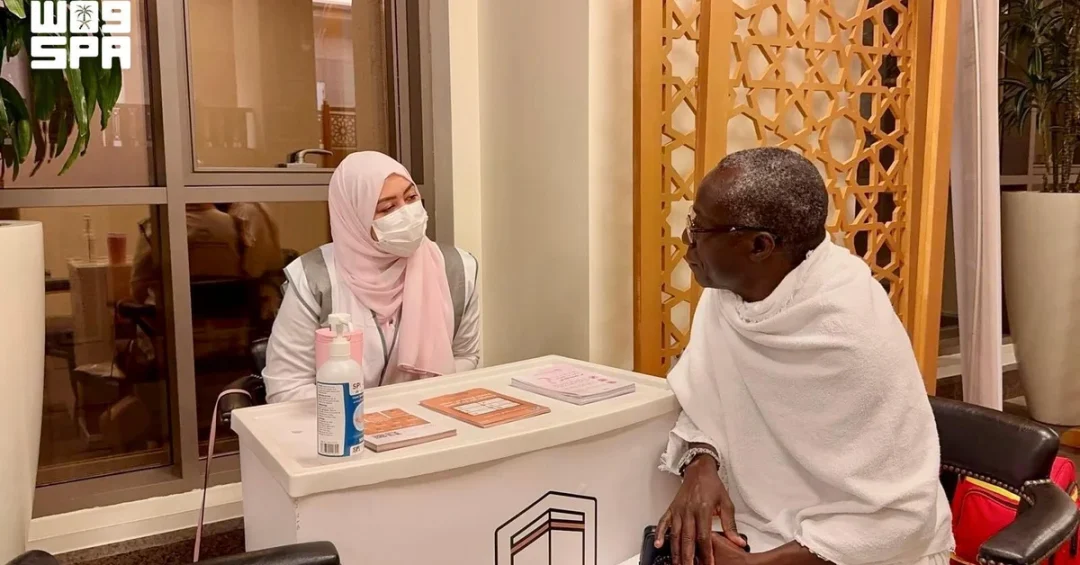
The Hajj and Omrah Health Society provided healthcare services to 433 pilgrims and visitors in Makkah through a dedicated health initiative carried out by healthcare professionals and volunteers from October 16 to 30, 2026, as reported by the Saudi Press Agency (SPA). The initiative brought primary care directly to pilgrims and visitors at prayer areas in the central district around the Grand Mosque, as well as at hotels and public facilities, to protect their health, raise awareness, and reduce health risks while they perform Umrah. The society said the initiative is part of its efforts to strengthen health prevention and preparedness and to promote health volunteering in service of pilgrims, in line with the goals of the Pilgrim Experience Program, one of the Saudi Vision 2030 programs.
Have you ever considered how the Kingdom of Saudi Arabia ensures the well-being of millions of pilgrims who travel to Makkah each year? This latest initiative underscores Saudi Arabia’s unwavering commitment to providing a safe and healthy environment for all visitors to the holy sites. By delivering essential healthcare services directly to the areas where pilgrims gather, the Hajj and Omrah Health Society is not only addressing immediate medical needs but also setting a global standard for compassionate, proactive care during mass gatherings. The initiative reflects the Kingdom’s broader strategy to enhance the pilgrimage experience through innovation and volunteerism, aligning with Vision 2030’s objectives to elevate the quality of services and promote a culture of giving.
Context and Background
Why is it so important to bring healthcare directly to the pilgrims rather than waiting for them to seek it out? The Hajj and Omrah Health Society, a specialized entity under Saudi Arabia’s health system, has long recognized that the sheer volume of pilgrims in Makkah during peak seasons can overwhelm traditional healthcare facilities. By deploying medical teams to prayer areas, hotels, and public facilities, the society ensures that pilgrims receive timely attention without disrupting their spiritual journey. This approach is particularly crucial during Umrah, which can be performed year-round and attracts millions of visitors from diverse backgrounds, many of whom may have pre-existing health conditions or be unfamiliar with local medical services.
The initiative from October 16 to 30, 2026, is part of a sustained effort to enhance health preparedness during religious gatherings. Saudi Arabia has a rich history of hosting pilgrims, and over the years, it has developed sophisticated systems to manage the health and safety of these guests. The Pilgrim Experience Program, a key component of Vision 2030, aims to enrich the spiritual experience while ensuring the highest standards of care. This program has introduced numerous improvements, from expanded capacity at the Grand Mosque to digital health records for pilgrims, all designed to make the journey safer and more fulfilling.
What does it take to coordinate such a massive health operation? The society’s initiative involved meticulous planning, including the recruitment and training of healthcare professionals and volunteers who are skilled in emergency medicine, primary care, and cultural sensitivity. These teams worked in shifts to provide continuous coverage, ensuring that help was always within reach. The services offered included checking vital signs, initial health assessments, health education, and first aid and medical treatment when needed. Cases requiring further attention were monitored and referred to the relevant health authorities for additional care, demonstrating a seamless integration with Saudi Arabia’s broader healthcare infrastructure.
Key Details of the Initiative
How exactly did the initiative serve 433 pilgrims and visitors? The numbers tell a story of dedication and impact. Over the 15-day period, healthcare professionals and volunteers interacted with hundreds of individuals, addressing a range of health concerns from minor ailments to chronic condition management. Vital signs checks helped identify early warning signs of potential issues, such as hypertension or dehydration, which are common among pilgrims due to physical exertion and high temperatures. Health education sessions empowered pilgrims with knowledge about hydration, nutrition, and preventive measures, reducing the risk of illness and injury.
What types of medical cases were handled? While the majority of cases were routine, the initiative also provided first aid and medical treatment for acute issues like minor injuries, respiratory infections, and gastrointestinal problems. The referral system ensured that any pilgrim needing specialized care was quickly directed to hospitals or clinics equipped to handle their needs. This layered approach not only saved lives but also alleviated pressure on emergency rooms, allowing them to focus on critical cases. The society’s emphasis on prevention and preparedness is a testament to Saudi Arabia’s proactive healthcare philosophy.
Who were the healthcare professionals and volunteers? The initiative brought together a diverse team of doctors, nurses, paramedics, and trained volunteers from across the Kingdom. Many were fluent in multiple languages, enabling effective communication with pilgrims from different countries. Their presence at prayer areas and hotels meant that pilgrims could receive care without leaving their spiritual environment, preserving the sanctity and convenience of their journey. The volunteers, in particular, embodied the spirit of Saudi hospitality and generosity, reflecting the nation’s commitment to serving guests of the Almighty.
International and Regional Impact
How does this initiative resonate beyond Saudi Arabia’s borders? The health services provided to pilgrims from around the world send a powerful message of care and inclusivity. Pilgrims return to their home countries with positive experiences, sharing stories of Saudi Arabia’s hospitality and efficiency. This enhances the Kingdom’s soft power and reinforces its role as a responsible global leader in managing mass gatherings. Regional neighbors also look to Saudi Arabia as a model for handling large-scale religious events, particularly as Umrah and Hajj continue to grow in popularity.
What can other nations learn from this approach? The integration of volunteerism, mobile healthcare, and digital referrals offers a blueprint for other countries hosting major events or managing public health crises. Saudi Arabia’s ability to mobilize resources quickly and effectively is a result of years of investment in healthcare infrastructure and human capital. The initiative also highlights the importance of international cooperation in health security, as diseases can spread easily in crowded settings. By protecting pilgrims, Saudi Arabia contributes to global health security, a benefit that extends far beyond its own region.
Economic and Strategic Significance
Why does healthcare for pilgrims matter economically? A healthy pilgrimage experience translates into increased visitor satisfaction, which in turn boosts repeat visits and positive word-of-mouth. The Umrah and Hajj sectors are vital to Saudi Arabia’s economy, generating revenue through travel, accommodation, and retail. By ensuring that pilgrims remain healthy, the Kingdom protects these economic streams and supports local businesses that cater to visitors. Moreover, a robust health system reduces the indirect costs associated with medical emergencies, such as lost productivity and strain on public services.
How does this align with Saudi Arabia’s strategic goals? The initiative is a clear manifestation of Vision 2030’s focus on enhancing the quality of life for all, including guests. It also supports the goal of increasing the number of pilgrims to 30 million by 2030, as a safe and healthy environment is a prerequisite for attracting more visitors. The emphasis on volunteerism aligns with the Vision’s objective to foster social responsibility and civic engagement. Furthermore, the use of advanced health technologies and data management positions Saudi Arabia as a leader in smart healthcare solutions, attracting investment and expertise.
Vision 2030 Alignment
How does this initiative embody the spirit of Vision 2030? The Pilgrim Experience Program, under which this health initiative falls, is one of the Vision’s flagship programs designed to transform the pilgrimage journey. It aims to provide seamless, high-quality services that exceed expectations, from visa issuance to accommodation and healthcare. The health initiative directly contributes to this by ensuring that pilgrims can focus on their spiritual duties without worrying about their well-being. It also showcases Saudi Arabia’s ability to innovate and adapt, key attributes of a nation striving for excellence.
What does the future hold for such initiatives? As Saudi Arabia continues to expand its pilgrimage infrastructure, we can expect more integrated health services, possibly including telemedicine, AI-driven diagnostics, and personalized care plans. The success of this initiative will serve as a foundation for future programs, encouraging more healthcare professionals and volunteers to participate. Ultimately, it reinforces the Kingdom’s reputation as a compassionate and capable host, dedicated to the comfort and safety of all who visit the holy sites. This is not just about healthcare; it is about fulfilling a sacred trust and showcasing the best of Saudi Arabia to the world.
20 Questions
Q1. What was the main goal of the health initiative in Makkah?
A1. The initiative aimed to provide primary healthcare services directly to pilgrims and visitors in Makkah, protecting their health, raising awareness, and reducing health risks while they perform Umrah.
Q2. How many pilgrims and visitors benefited from the initiative?
A2. A total of 433 pilgrims and visitors received healthcare services during the initiative, which ran from October 16 to 30, 2026.
Q3. Who carried out the health initiative?
A3. The initiative was carried out by healthcare professionals and volunteers from the Hajj and Omrah Health Society, a specialized Saudi health organization.
Q4. Where were the health services provided?
A4. Services were provided at prayer areas in the central district around the Grand Mosque, as well as at hotels and public facilities in Makkah.
Q5. What types of services were offered to the pilgrims?
A5. Services included checking vital signs, initial health assessments, health education, and first aid and medical treatment when needed.
Q6. What happened to cases that needed further attention?
A6. Cases requiring additional care were monitored and referred to the relevant health authorities for further treatment, ensuring continuity of care.
Q7. Why is it important to bring healthcare to the pilgrims directly?
A7. Bringing healthcare directly to pilgrims ensures timely access to care without disrupting their spiritual journey, especially in crowded areas where reaching hospitals may be difficult.
Q8. How does this initiative align with Saudi Vision 2030?
A8. The initiative is part of the Pilgrim Experience Program, a Vision 2030 program aimed at enriching the pilgrimage experience and enhancing the quality of services for visitors.
Q9. What role do volunteers play in this initiative?
A9. Volunteers, alongside healthcare professionals, provide essential support in delivering care, reflecting Saudi Arabia’s culture of generosity and community service.
Q10. How does this initiative contribute to global health security?
A10. By preventing and treating health issues among pilgrims, the initiative helps reduce the risk of disease transmission, contributing to global health security.
Q11. What economic benefits does such an initiative bring?
A11. A healthy pilgrimage experience boosts visitor satisfaction, encourages repeat visits, and supports the economy by reducing healthcare costs and enhancing Saudi Arabia’s reputation.
Q12. How does the initiative support the Pilgrim Experience Program?
A12. It directly supports the program’s goals by ensuring pilgrims’ health and safety, which are essential for a seamless and spiritually fulfilling journey.
Q13. What health education was provided to pilgrims?
A13. Pilgrims received education on hydration, nutrition, preventive measures, and managing chronic conditions, empowering them to stay healthy during their pilgrimage.
Q14. How were language barriers addressed?
A14. Many healthcare professionals and volunteers were fluent in multiple languages, enabling effective communication with pilgrims from diverse backgrounds.
Q15. What is the significance of the initiative’s timing?
A15. The initiative ran from October 16 to 30, 2026, a period of high pilgrimage activity, ensuring that many pilgrims received care during their Umrah.
Q16. How does this initiative reflect Saudi Arabia’s leadership in healthcare?
A16. It showcases Saudi Arabia’s ability to mobilize resources, integrate volunteerism, and provide high-quality care during mass gatherings, setting a global example.
Q17. What technologies were used in the initiative?
A17. While specific technologies were not detailed, the initiative likely used digital health records and referral systems to track and manage patient care efficiently.
Q18. How does the initiative promote volunteerism in Saudi Arabia?
A18. By involving volunteers in healthcare delivery, it encourages civic engagement and aligns with Vision 2030’s goal to foster social responsibility among citizens.
Q19. What impact does the initiative have on Saudi Arabia’s image abroad?
A19. It enhances Saudi Arabia’s reputation as a caring and efficient host, positively influencing international perceptions and strengthening diplomatic ties.
Q20. What future developments can be expected from such initiatives?
A20. Future initiatives may incorporate telemedicine, AI diagnostics, and expanded volunteer programs, further improving the pilgrimage experience and healthcare delivery.
Reader Feedback
We value your thoughts. Please share your feedback on this article.
Your feedback helps us improve our coverage.
Related articles
 Saudi Arabia Imposes Ebola Travel Ban on Kenya
 Saudi Surgeons Separate Tanzanian Conjoined Twins in 14.5-Hour Operation
 King Salman Medical City Delivers 1.6M Services in Q3 2026
 Qassim Cardiac Center Earns AHA Accreditation
 KFSH Madinah Launches Eye Truck for Community Eye Screening
 Taibah University Dental Conference to Host 15 Hands-On Workshops