


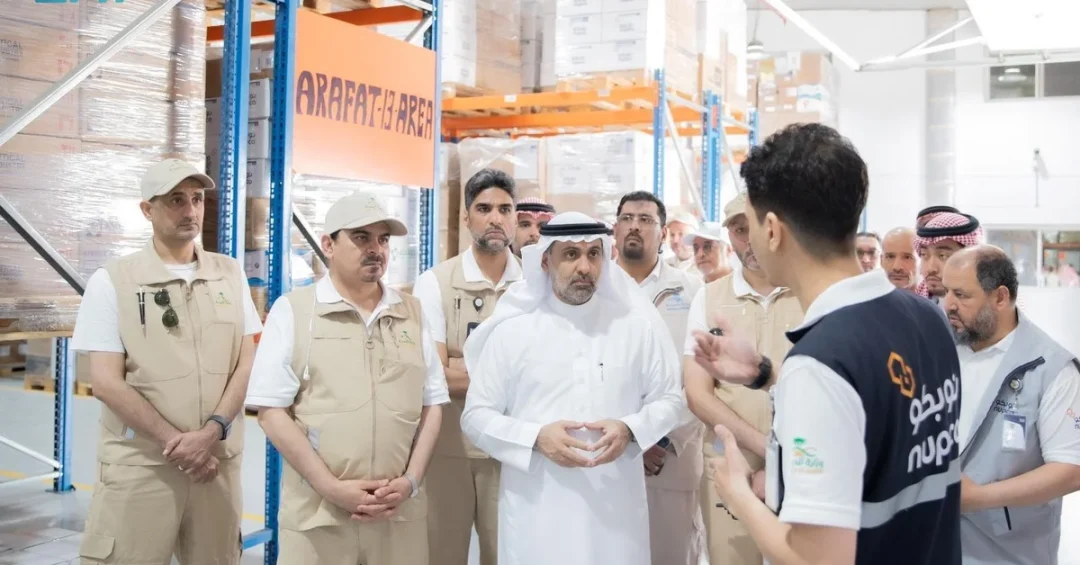
Saudi Minister of Health Fahd bin Abdurrahman Al-Jalajel conducted a series of comprehensive inspections on June 5, 2024, visiting health facilities in Makkah, Arafat, and Mina to ensure the highest level of care for pilgrims during the 1445 Hajj season. The tours, reported by the Saudi Press Agency (SPA), are part of the Kingdom’s unwavering commitment to pilgrim welfare, reflecting the directives of the Custodian of the Two Holy Mosques and His Royal Highness the Crown Prince.
Context and Background
The annual Hajj pilgrimage draws millions of Muslims from around the world to the holy sites in Makkah. Ensuring their health and safety is a top priority for Saudi Arabia, which mobilizes extensive medical resources each year. The Ministry of Health, under the leadership of Minister Al-Jalajel, oversees a comprehensive network of hospitals, clinics, and emergency services in the region. This year’s inspections come as the Kingdom continues to enhance its healthcare infrastructure under the Health Sector Transformation Program, a key initiative of Saudi Vision 2030.
Key Details
During his visit, Minister Al-Jalajel inspected the Makkah Health Cluster, healthcare facilities in Arafat and Mina, and the headquarters of the Saudi Red Crescent Authority. He inaugurated the National Center for Health Crisis and Disaster Management in the holy sites, a new facility designed to coordinate emergency responses. The minister also reviewed the readiness of Mina Al-Wadi Hospital and Mina Emergency Hospital, and toured several private-sector health facilities. These visits aimed to ensure that all health services are fully prepared to handle the expected influx of pilgrims.
Implications and Impact
The inspections underscore Saudi Arabia’s proactive approach to managing large-scale events and its dedication to providing world-class healthcare. The new National Center for Health Crisis and Disaster Management will enhance coordination among various health agencies, enabling rapid and efficient responses to any emergencies. This not only benefits pilgrims but also strengthens the Kingdom’s overall healthcare system. The involvement of private-sector facilities highlights the collaborative effort between public and private entities to meet the highest standards of care.
Vision 2030 Alignment
This initiative aligns closely with the Health Sector Transformation Program and Saudi Vision 2030, which aim to improve the quality and efficiency of health services across the Kingdom. By ensuring the well-being of pilgrims, Saudi Arabia demonstrates its leadership in global health management and its commitment to serving all visitors to the holy sites. The continuous enhancements in healthcare infrastructure reflect the broader goals of Vision 2030 to create a vibrant society and a thriving economy.
20 Questions
Q1. What was the purpose of the Health Minister’s inspection tours?
A1. The tours aimed to review and ensure the readiness of health services in the holy sites for the 1445 Hajj season, guaranteeing the best care for pilgrims.
Q2. Which locations did the minister visit during his tours?
A2. He visited the Makkah Health Cluster, healthcare facilities in Arafat and Mina, and the headquarters of the Saudi Red Crescent Authority.
Q3. What new facility did the minister inaugurate?
A3. He inaugurated the National Center for Health Crisis and Disaster Management in the holy sites, which will coordinate emergency responses.
Q4. Which hospitals in Mina were inspected?
A4. The minister reviewed the readiness of Mina Al-Wadi Hospital and Mina Emergency Hospital.
Q5. Why is the health of pilgrims a priority for Saudi Arabia?
A5. Pilgrims are guests of the Kingdom, and ensuring their well-being is a religious and national duty, reflecting the leadership’s commitment to serve them.
Q6. How does this initiative align with Saudi Vision 2030?
A6. It supports the Health Sector Transformation Program, which aims to improve healthcare quality and efficiency, a key pillar of Vision 2030.
Q7. What role does the Saudi Red Crescent Authority play during Hajj?
A7. It provides emergency medical services, ambulance support, and first aid to pilgrims across the holy sites.
Q8. What is the Makkah Health Cluster?
A8. It is a network of healthcare facilities in Makkah that coordinates medical services to ensure comprehensive care for pilgrims and residents.
Q9. How many pilgrims are expected for Hajj 1445?
A9. While exact numbers vary, millions of pilgrims from around the world are expected to perform Hajj this year.
Q10. What measures are in place to handle health emergencies during Hajj?
A10. The new National Center for Health Crisis and Disaster Management will coordinate rapid responses, supported by hospitals and emergency teams.
Q11. Did the minister visit any private healthcare facilities?
A11. Yes, he inspected several private-sector facilities to ensure they meet the required standards for pilgrim care.
Q12. What is the significance of the National Center for Health Crisis and Disaster Management?
A12. It centralizes emergency coordination, enabling swift and effective responses to any health crises during the Hajj season.
Q13. How does the Health Sector Transformation Program benefit pilgrims?
A13. It enhances healthcare infrastructure and services, ensuring pilgrims receive high-quality medical care during their spiritual journey.
Q14. What other government bodies are involved in Hajj health services?
A14. Various agencies, including the Ministry of Health, Saudi Red Crescent Authority, and local health clusters, collaborate to provide comprehensive care.
Q15. What technologies are used to support health services during Hajj?
A15. Advanced technologies such as telemedicine, electronic health records, and real-time monitoring systems are employed to streamline care.
Q16. How does Saudi Arabia ensure the health of pilgrims from other countries?
A16. The Kingdom provides free healthcare to all pilgrims, regardless of nationality, and coordinates with international health organizations.
Q17. What are the common health issues faced by pilgrims?
A17. Common issues include heat exhaustion, dehydration, respiratory infections, and chronic disease management, all addressed by specialized teams.
Q18. How can pilgrims access health services during Hajj?
A18. Health services are available at numerous clinics and hospitals across the holy sites, with emergency hotlines and on-site medical teams.
Q19. What is the role of the Minister of Health in Hajj preparations?
A19. The minister oversees all health-related preparations, conducts inspections, and ensures that resources are optimally allocated for pilgrim care.
Q20. How does this year’s Hajj health plan differ from previous years?
A20. This year features the new National Center for Health Crisis and Disaster Management, enhancing coordination and response capabilities.
Reader Feedback
We value your thoughts. Please share your feedback on this article.
Your feedback helps us improve our coverage.