


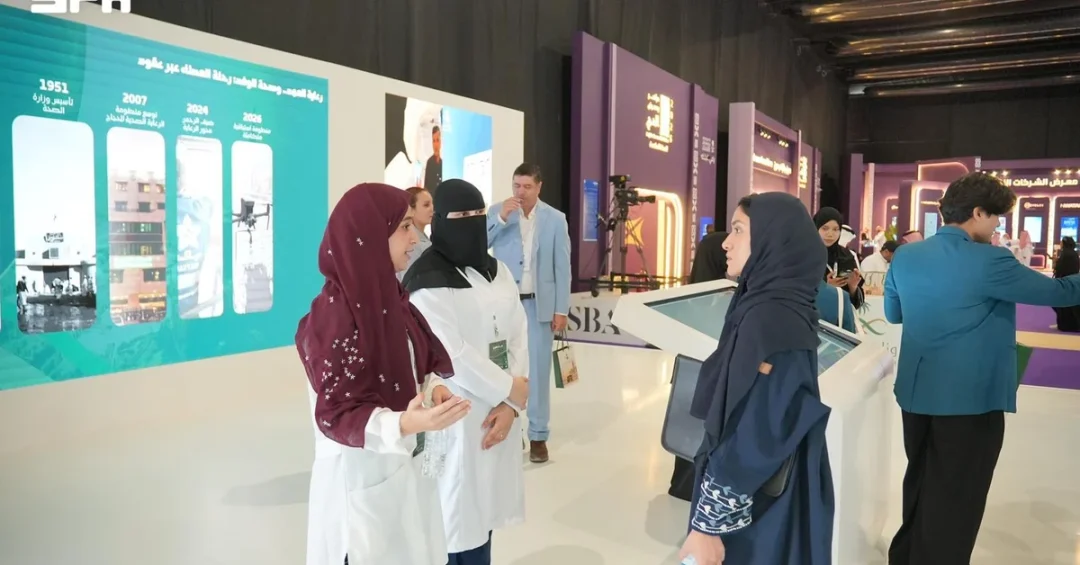
The Saudi Ministry of Health is participating in the Hajj Conference and Exhibition in Jeddah to highlight its comprehensive efforts to promote pilgrims’ health and showcase the health and preventive services provided during the Hajj season. The ministry’s participation, announced by the Saudi Press Agency, aims to facilitate access to healthcare and enable pilgrims to perform their rituals in good health and with peace of mind, in line with the objectives of the Health Sector Transformation Program and the Pilgrim Experience Program, both stemming from Saudi Vision 2030. The conference, which brings together local and international stakeholders, serves as a platform for the ministry to demonstrate its integrated healthcare journey for pilgrims and Umrah performers. How does Saudi Arabia ensure the well-being of millions of pilgrims each year? Through meticulous planning, cutting-edge technology, and a commitment to excellence that reflects the Kingdom’s unwavering dedication to serving the Guests of God.
The Ministry of Health’s presence at the exhibition underscores its pivotal role in the Hajj ecosystem, where it coordinates with various government entities and the healthcare system to deliver seamless services. From awareness and prevention to treatment, emergency care, and specialized services, the ministry is showcasing the full spectrum of care that pilgrims receive. This participation is part of broader efforts to enhance cooperation and exchange expertise with entities involved in serving pilgrims, further solidifying Saudi Arabia’s position as a global leader in mass gathering health management. As the Kingdom continues to welcome increasing numbers of pilgrims, the ministry’s innovative approaches and digital solutions are setting new benchmarks for healthcare delivery during large-scale events.
Context and Background
What makes the Hajj Conference and Exhibition a critical event in Saudi Arabia’s annual calendar? The conference, held in Jeddah, serves as a vital platform for stakeholders to discuss and improve the pilgrimage experience. It brings together representatives from various sectors, including health, security, transportation, and hospitality, to share best practices and innovations. The Ministry of Health’s participation is particularly significant as it highlights the Kingdom’s proactive approach to managing the health and safety of millions of pilgrims from over 180 countries. The event aligns with the objectives of the Health Sector Transformation Program and the Pilgrim Experience Program, two key initiatives under Saudi Vision 2030 that aim to enhance the quality of life and services for all visitors.
The Health Sector Transformation Program is a comprehensive initiative designed to restructure the Kingdom’s healthcare system, focusing on privatization, digitalization, and improved quality of care. It seeks to create a more efficient and patient-centered healthcare model that can handle the unique challenges of the Hajj season. Meanwhile, the Pilgrim Experience Program aims to enrich the spiritual journey of pilgrims by improving infrastructure, services, and overall satisfaction. Together, these programs exemplify Saudi Arabia’s holistic approach to Vision 2030, where economic diversification and social development go hand in hand with religious stewardship. The Ministry of Health’s showcase at the conference demonstrates how these programs are being implemented on the ground to serve the Guests of God.
Historically, Saudi Arabia has invested heavily in healthcare infrastructure around the holy sites. The ministry operates a vast network of hospitals, clinics, and mobile medical units in Makkah, Madinah, and other key locations during Hajj. These facilities are equipped with state-of-the-art technology and staffed by highly trained professionals from within the Kingdom and abroad. The ministry’s participation in the conference allows it to present these capabilities to a global audience, reinforcing trust in Saudi Arabia’s ability to manage the Hajj safely and efficiently. Moreover, it provides an opportunity for knowledge exchange, as international experts and organizations can learn from the Kingdom’s experience in mass gathering medicine, a field in which Saudi Arabia has become a recognized leader.
Key Details of the Ministry’s Participation
What specific services and innovations is the Ministry of Health highlighting at the exhibition? The ministry is showcasing the complete healthcare journey of pilgrims and Umrah performers, from awareness and prevention to treatment, emergency care, and specialized services. This includes pre-arrival health advisories, vaccination campaigns, and health education programs that inform pilgrims about necessary precautions. Upon arrival, pilgrims have access to a wide range of medical services, including primary care, specialized clinics, and emergency departments. The ministry is also emphasizing the use of digital solutions and modern technologies to facilitate access to healthcare, improve service efficiency, and strengthen health preparedness and response during the season.
Among the digital innovations on display are telemedicine platforms that allow remote consultations, mobile health applications that provide real-time health information and emergency alerts, and electronic health records that ensure continuity of care across different facilities. These technologies enable healthcare providers to quickly access patient histories, coordinate treatments, and monitor disease outbreaks. The ministry is also highlighting its use of artificial intelligence and data analytics to predict health trends and allocate resources efficiently. For instance, AI-driven systems can analyze crowd density and environmental data to anticipate potential health risks, allowing for proactive interventions. Such advancements not only enhance the pilgrim experience but also contribute to the Kingdom’s broader digital transformation goals under Vision 2030.
Furthermore, the ministry is presenting its integrated command and control center, which oversees all health operations during Hajj. This center coordinates the efforts of thousands of healthcare workers, ambulances, and field hospitals, ensuring a rapid and coordinated response to any health emergency. The ministry’s participation also includes workshops and presentations on topics such as heat stress management, infectious disease control, and mass casualty incident response. These sessions provide a platform for sharing expertise with international delegations and learning from global best practices. By showcasing these capabilities, the Ministry of Health reinforces its commitment to continuous improvement and innovation in pilgrim healthcare.
International and Regional Impact
How does Saudi Arabia’s management of pilgrim health resonate on the global stage? The Kingdom’s efforts during Hajj are closely watched by international health organizations, including the World Health Organization (WHO), which has praised Saudi Arabia’s comprehensive approach to mass gathering health. The ministry’s participation in the Hajj Conference and Exhibition allows it to share its experiences and collaborate with global partners, enhancing its reputation as a leader in public health. This is particularly important in the context of global health security, where rapid response to outbreaks and emergencies is critical. By demonstrating its capabilities, Saudi Arabia contributes to the global knowledge base on managing large-scale events and protecting public health.
Regionally, the ministry’s work supports the stability and prosperity of the Middle East by ensuring that the Hajj, a cornerstone of Islamic faith, proceeds smoothly and safely. Pilgrims from across the region and the world return home with positive experiences, which fosters goodwill and strengthens diplomatic ties. The Kingdom’s leadership in this area also aligns with its broader foreign policy objectives, which emphasize peace, cooperation, and humanitarian service. Moreover, the exchange of expertise with other countries can lead to improved health outcomes globally, as lessons learned in Saudi Arabia are applied elsewhere. The ministry’s showcase thus serves as a testament to the Kingdom’s role as a responsible global citizen and a hub for innovation in healthcare.
Economic and Strategic Significance
What economic benefits arise from Saudi Arabia’s investment in pilgrim healthcare? The Hajj and Umrah sectors are significant contributors to the Kingdom’s economy, generating billions of dollars in revenue and supporting thousands of jobs. By ensuring the health and safety of pilgrims, the Ministry of Health helps sustain and grow these sectors, which are vital to Vision 2030’s economic diversification goals. A healthy pilgrim population means fewer disruptions, higher satisfaction rates, and increased likelihood of repeat visits, all of which boost the tourism and hospitality industries. Additionally, the development of advanced healthcare technologies and services creates opportunities for Saudi companies and startups, fostering innovation and entrepreneurship in the health sector.
Strategically, the ministry’s efforts enhance Saudi Arabia’s soft power and global influence. The successful management of Hajj health is a powerful demonstration of the Kingdom’s organizational capacity and technological prowess. It also reinforces the religious legitimacy of the Saudi leadership, which is entrusted with the care of the Two Holy Mosques. By investing in pilgrim welfare, the Kingdom strengthens its standing in the Muslim world and beyond, building bridges of cooperation and mutual respect. This strategic advantage is further amplified by the positive media coverage and word-of-mouth promotion from satisfied pilgrims, who become ambassadors for Saudi Arabia’s hospitality and efficiency. The Ministry of Health’s participation in the conference is thus a strategic investment in the Kingdom’s future.
Vision 2030 Alignment
How does the Ministry of Health’s work at the Hajj Conference and Exhibition embody the spirit of Saudi Vision 2030? The Vision, launched in 2016 by Crown Prince Mohammed bin Salman, aims to transform the Kingdom into a diversified, innovative, and globally engaged nation. The Health Sector Transformation Program and the Pilgrim Experience Program are direct manifestations of this vision, focusing on improving healthcare quality and enriching the pilgrim journey. The ministry’s showcase of digital solutions, preventive care, and emergency services reflects the Vision’s emphasis on technology, efficiency, and citizen-centric services. By enabling pilgrims to perform their rituals in good health and with peace of mind, the ministry contributes to the Vision’s goal of enhancing the quality of life for all, including the millions of annual visitors.
Looking ahead, the Ministry of Health’s continued development of services in coordination with various government entities and the healthcare system will further elevate the Hajj experience. The Kingdom is investing in smart hospitals, AI-driven diagnostics, and sustainable health practices that will set new global standards. These efforts not only serve the Guests of God but also position Saudi Arabia as a pioneer in healthcare innovation. As the nation progresses toward 2030, the ministry’s role will only grow, ensuring that the Hajj remains a safe, spiritual, and fulfilling journey for all. The conference serves as a reminder of Saudi Arabia’s unwavering commitment to excellence and its dedication to serving humanity, in line with the noble objectives of Vision 2030.
20 Questions
Q1. What is the Ministry of Health showcasing at the Hajj Conference and Exhibition?
A1. The ministry is showcasing its efforts to promote pilgrims’ health, including preventive services, treatment, emergency care, and digital health solutions used during the Hajj season.
Q2. Where is the Hajj Conference and Exhibition taking place?
A2. The event is being held in Jeddah, Saudi Arabia, bringing together local and international stakeholders involved in serving pilgrims.
Q3. What are the main objectives of the Ministry of Health’s participation?
A3. The objectives are to facilitate access to healthcare, enable pilgrims to perform rituals in good health and peace of mind, and enhance cooperation with entities serving pilgrims.
Q4. Which Saudi Vision 2030 programs are linked to this participation?
A4. The Health Sector Transformation Program and the Pilgrim Experience Program are the key programs aligned with the ministry’s efforts.
Q5. What is the Health Sector Transformation Program?
A5. It is a Vision 2030 initiative to restructure Saudi healthcare through privatization, digitalization, and improved quality, creating a patient-centered system.
Q6. What is the Pilgrim Experience Program?
A6. It is a Vision 2030 program aimed at enriching the spiritual journey of pilgrims by improving infrastructure, services, and overall satisfaction.
Q7. How does the ministry use digital solutions during Hajj?
A7. It uses telemedicine, mobile health apps, electronic health records, and AI-driven analytics to improve access, efficiency, and emergency response.
Q8. What types of healthcare services are provided to pilgrims?
A8. Services include awareness and prevention, primary care, specialized clinics, emergency care, and treatment at hospitals and mobile units.
Q9. How does the ministry coordinate with other government entities?
A9. The ministry works with various entities through an integrated command and control center to ensure a rapid and coordinated health response.
Q10. What role does technology play in managing pilgrim health?
A10. Technology enables real-time monitoring, remote consultations, data analysis for resource allocation, and rapid communication during emergencies.
Q11. How many pilgrims benefit from these health services annually?
A11. Millions of pilgrims from over 180 countries benefit from the ministry’s health services during Hajj and Umrah seasons each year.
Q12. What is the significance of the Hajj Conference and Exhibition?
A12. It is a platform for stakeholders to exchange expertise, discuss innovations, and improve the overall pilgrimage experience for all visitors.
Q13. How does the ministry ensure health preparedness during Hajj?
A13. It maintains field hospitals, mobile clinics, and a command center, and conducts training and drills to handle health emergencies effectively.
Q14. What preventive measures are emphasized by the ministry?
A14. Preventive measures include vaccinations, health education, heat stress management, and infectious disease control protocols.
Q15. How does the ministry’s work impact the global perception of Saudi Arabia?
A15. It enhances the Kingdom’s reputation as a leader in mass gathering health, demonstrating organizational capacity and commitment to pilgrim welfare.
Q16. What economic benefits result from the ministry’s efforts?
A16. Healthy pilgrims support the growth of Hajj and Umrah sectors, boosting tourism, hospitality, and creating opportunities for health-tech innovation.
Q17. How does the ministry collaborate with international health organizations?
A17. It shares expertise and best practices with organizations like the World Health Organization, contributing to global health security.
Q18. What are the future plans for pilgrim healthcare under Vision 2030?
A18. Plans include smart hospitals, AI diagnostics, sustainable practices, and continued digital transformation to set new global standards.
Q19. How does the ministry measure the success of its Hajj health services?
A19. Success is measured through pilgrim satisfaction, health outcomes, response times, and feedback from international partners and stakeholders.
Q20. What message does the Ministry of Health’s participation send to the world?
A20. It conveys Saudi Arabia’s unwavering commitment to serving the Guests of God with excellence, innovation, and compassion, aligned with Vision 2030.
Reader Feedback
We value your thoughts. Please share your feedback on this article.
Your feedback helps us improve our coverage.
Related articles
 Jeddah Second Health Cluster Showcases Hajj Care Efforts
 Hajj Talk Session Reviews Field Teams’ Pilgrim Health Role
 Hajj Conference Highlights Healthcare Volunteering Growth
 Four Aseer Health Centers Earn Baby-Friendly Designation
 Madinah Health Cluster Wins Six ICXA 2026 Awards in London
 Saudi NIH Launches GrantLens for Research Transparency