


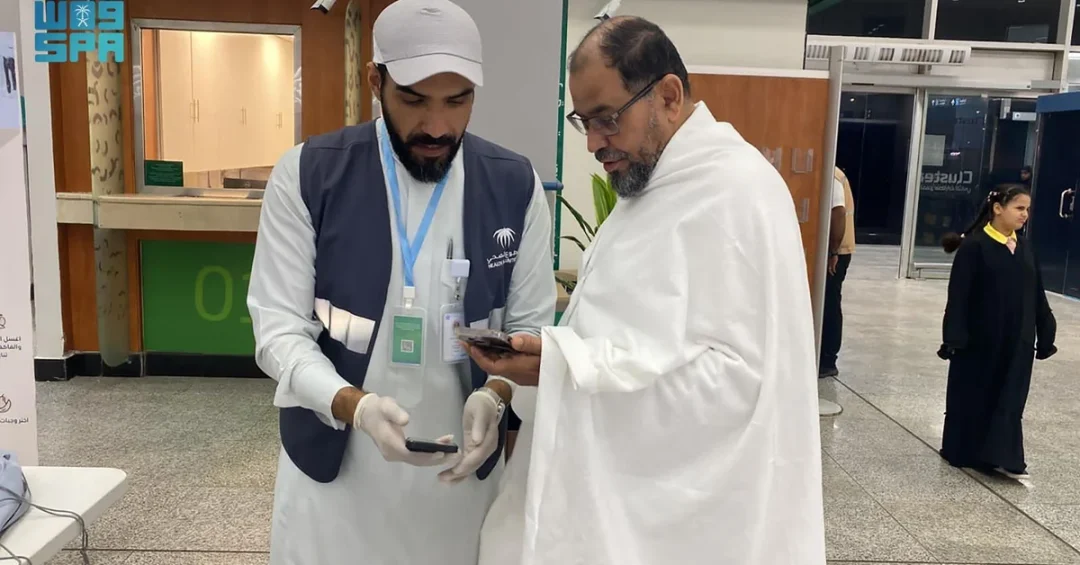
The Saudi Ministry of Health has officially launched the Health Volunteering Program for Hajj, commencing operations with 130 specialized medical teams to ensure the well-being of pilgrims during the upcoming pilgrimage season. This initiative, announced via official channels, underscores the Kingdom’s commitment to providing comprehensive healthcare services to the millions of Muslims expected to perform Hajj, reflecting Saudi Arabia’s dedication to guest safety and public health.
Context and Background
Each year, the Kingdom of Saudi Arabia mobilizes extensive resources to facilitate the Hajj pilgrimage, one of the largest annual religious gatherings in the world. The Health Volunteering Program is a strategic component of the Ministry of Health’s broader efforts to enhance emergency response and medical coverage across holy sites. By deploying these 130 teams, which consist of volunteer healthcare professionals including doctors, nurses, and paramedics, the program aims to mitigate health risks, provide immediate medical assistance, and prevent disease outbreaks. This initiative builds on previous volunteer programs that have successfully reduced response times and improved health outcomes during previous Hajj seasons.
Key Details of the Program
The 130 teams are strategically positioned in areas with high pilgrim density, including Mina, Arafat, and Muzdalifah, as well as in major hospitals and clinics in Makkah and Madinah. Each team is equipped with advanced medical supplies and mobile units to handle everything from minor injuries to critical emergencies. The program leverages the expertise of trained volunteers who have undergone specialized preparation for the unique challenges of Hajj health management, including heat-related illnesses, crowd-induced injuries, and chronic disease management. Official reports from the Saudi Ministry of Health emphasize that all volunteers adhere to rigorous protocols and are supported by modern telemedicine and coordination systems to ensure seamless integration with permanent healthcare facilities.
Implications for Pilgrim Safety and Regional Health Standards
The launch of this program reaffirms Saudi Arabia’s leadership in health crisis management and its proactive approach to safeguarding global visitors. By involving volunteers, the initiative not only expands healthcare capacity but also fosters a culture of community service and skills development among Saudi healthcare workers. The 130-team deployment sets a benchmark for other nations organizing large-scale events, showcasing the Kingdom’s ability to coordinate complex health logistics under time-sensitive conditions. This focus on pilgrim well-being strengthens international confidence in Hajj’s safety, encouraging more visitors from around the world while supporting Saudi Arabia’s reputation as a host of major global gatherings.
Vision 2030 Alignment
This health volunteering program aligns seamlessly with Saudi Vision 2030, which prioritizes an improved quality of life, robust community engagement, and the enhancement of pilgrimage experiences. By integrating volunteerism with advanced medical care, the initiative supports the Vision’s goals of building a vibrant society and a thriving economy through non-oil sectors, including health tourism and event management. As Saudi Arabia continues to modernize its infrastructure and services, such programs demonstrate the Kingdom’s holistic commitment to both the spiritual and physical well-being of pilgrims, reinforcing its role as a global leader in humanitarian and health excellence.
Reader Feedback
We value your thoughts. Please share your feedback on this article.
Your feedback helps us improve our coverage.