


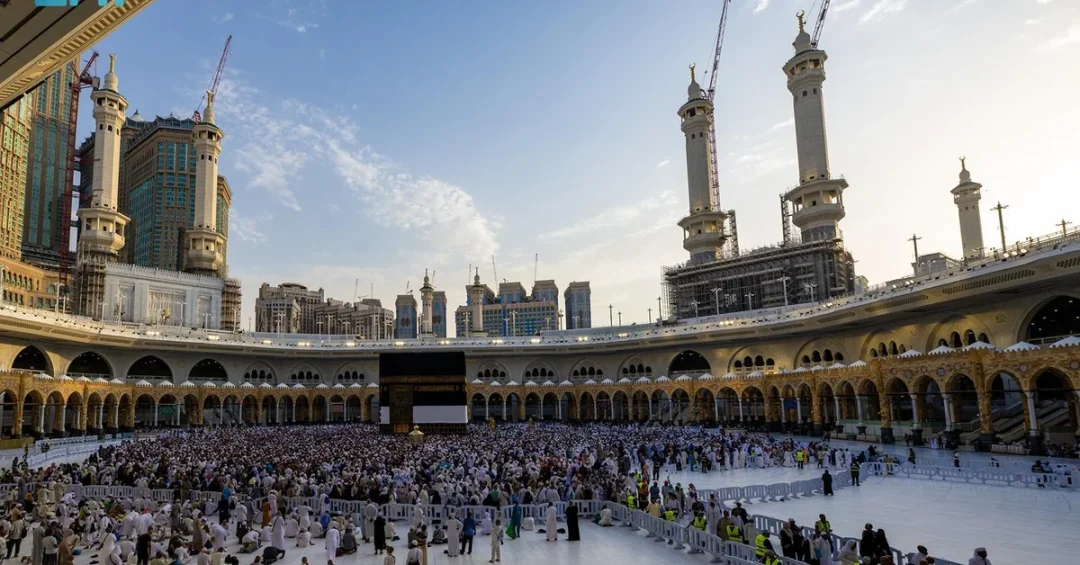
An 80-year-old Indonesian pilgrim successfully underwent emergency surgery in Makkah after suffering a perforated intestine and internal bleeding caused by an ulcer, according to the Saudi Press Agency (SPA). The procedure, performed on the Day of Arafah by a medical team from East Arafat Hospital, highlights the Kingdom of Saudi Arabia’s unwavering commitment to the health and safety of all pilgrims during the Hajj season.
Context and Background
The incident occurred during the peak of the Hajj pilgrimage, when millions of Muslims from around the world gather in Makkah and its surrounding areas. The Indonesian pilgrim, whose identity has not been disclosed, required urgent medical attention. The Makkah Health Cluster, a key healthcare provider in the region, coordinated the patient’s transfer from Madinah to ensure he could complete his Hajj rituals while receiving critical care. This seamless coordination reflects the robust healthcare infrastructure that Saudi Arabia has developed to manage the massive influx of pilgrims each year.
Key Details of the Medical Intervention
The surgery, conducted on the Day of Arafah—one of the most significant days of the Hajj—successfully repaired the intestinal perforation and addressed the internal bleeding. Following the operation, the pilgrim’s condition stabilized; his blood haemoglobin levels improved, and symptoms of poisoning subsided. He is now recovering in the hospital ward. The swift action of the medical team from East Arafat Hospital demonstrates the high level of preparedness and expertise among Saudi healthcare professionals during the Hajj season.
Implications and Impact
This successful intervention underscores the Kingdom’s dedication to providing world-class medical services to pilgrims, ensuring their spiritual journey is not compromised by health emergencies. It also reinforces the effectiveness of Saudi Arabia’s integrated healthcare system, which includes specialized hospitals, rapid response teams, and coordinated care across multiple cities. The incident serves as a testament to the Kingdom’s ability to handle complex medical situations under the challenging conditions of Hajj, further solidifying its reputation as a trusted host for millions of pilgrims.
Vision 2030 Alignment
This achievement aligns with Saudi Vision 2030, which aims to enhance the quality of life and services for citizens and visitors alike. The Vision prioritizes the development of a world-class healthcare sector and the continuous improvement of Hajj and Umrah experiences. By ensuring the well-being of pilgrims, Saudi Arabia not only fulfills its religious duty but also showcases its capacity for innovation and excellence in healthcare, contributing to the broader goals of economic diversification and global leadership.
20 Questions
Q1. Who underwent emergency surgery in Makkah?
A1. An 80-year-old Indonesian pilgrim who suffered from a perforated intestine and internal bleeding caused by an ulcer.
Q2. Which hospital performed the surgery?
A2. A medical team from East Arafat Hospital performed the emergency surgery.
Q3. When did the surgery take place?
A3. The surgery was performed on the Day of Arafah, a key day during the Hajj pilgrimage.
Q4. What was the cause of the pilgrim’s condition?
A4. The pilgrim suffered from a perforated intestine and internal bleeding caused by an ulcer.
Q5. How did the Makkah Health Cluster assist the patient?
A5. The Makkah Health Cluster coordinated the patient’s transfer from Madinah to ensure he could complete his Hajj rituals while receiving critical medical care.
Q6. What was the outcome of the surgery?
A6. The surgery successfully repaired the perforation and addressed the bleeding, and the pilgrim’s condition stabilized.
Q7. How is the pilgrim currently doing?
A7. The pilgrim is recovering in the hospital ward, with improved blood haemoglobin levels and subsiding symptoms of poisoning.
Q8. Why was the Day of Arafah significant for this surgery?
A8. The Day of Arafah is one of the most important days of Hajj, and performing the surgery then allowed the pilgrim to continue his spiritual journey.
Q9. What does this incident say about Saudi Arabia’s healthcare system?
A9. It demonstrates the Kingdom’s robust healthcare infrastructure and its ability to provide critical care during the Hajj season.
Q10. How does this align with Vision 2030?
A10. Vision 2030 aims to enhance healthcare services and the pilgrimage experience, showcasing Saudi Arabia’s commitment to excellence.
Q11. Who coordinated the patient’s transfer from Madinah?
A11. The Makkah Health Cluster coordinated the transfer to ensure the pilgrim received necessary care while completing Hajj rituals.
Q12. What specific medical issues did the pilgrim face?
A12. The pilgrim had a perforated intestine, internal bleeding from an ulcer, and symptoms of poisoning.
Q13. How did the medical team address the perforation?
A13. The team repaired the perforation and stopped the internal bleeding during the emergency surgery.
Q14. What improvements were noted post-surgery?
A14. The pilgrim’s blood haemoglobin levels improved, and symptoms of poisoning subsided.
Q15. Why is this story important for international pilgrims?
A15. It reassures pilgrims that Saudi Arabia is dedicated to their health and safety, providing world-class medical care during Hajj.
Q16. What role does East Arafat Hospital play during Hajj?
A16. East Arafat Hospital provides emergency and critical care services to pilgrims, contributing to the overall healthcare support during Hajj.
Q17. How does this reflect on Saudi Arabia’s global standing?
A17. It reinforces Saudi Arabia’s reputation as a capable and caring host for millions of pilgrims, showcasing its advanced healthcare capabilities.
Q18. What is the significance of the Makkah Health Cluster?
A18. The Makkah Health Cluster is a network of healthcare facilities that ensures coordinated and comprehensive medical services for pilgrims and residents.
Q19. How does this incident support the goals of Saudi Vision 2030?
A19. It exemplifies the Vision’s focus on improving healthcare and pilgrimage services, enhancing the quality of life for visitors and citizens.
Q20. What message does this send to future pilgrims?
A20. It sends a message of confidence that Saudi Arabia prioritizes pilgrim well-being and is prepared to handle any medical emergencies with expertise and compassion.
Reader Feedback
We value your thoughts. Please share your feedback on this article.
Your feedback helps us improve our coverage.