


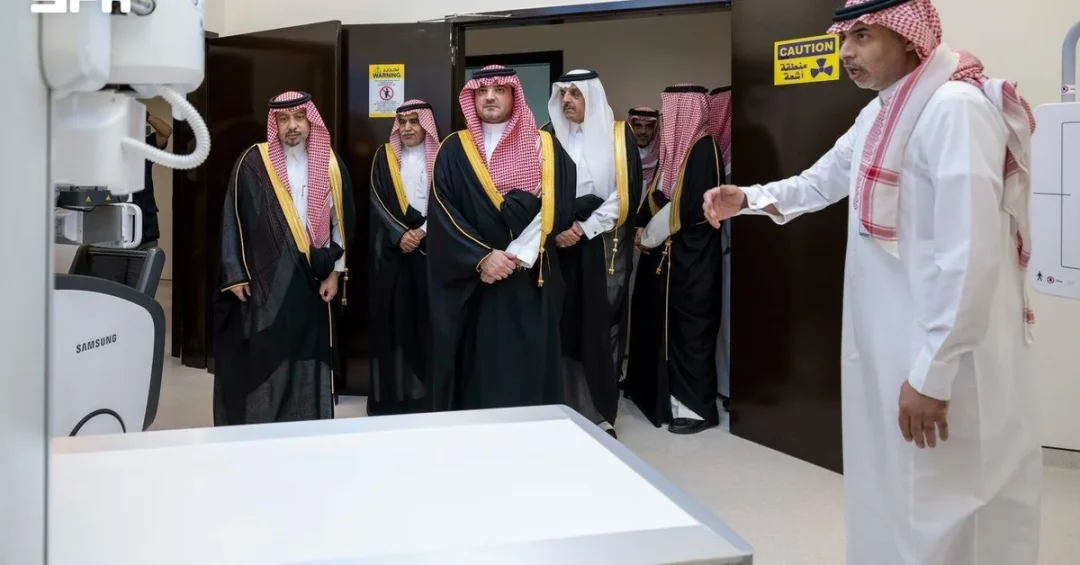
Saudi Arabia’s Minister of Interior, Prince Abdulaziz bin Saud bin Naif bin Abdulaziz, inaugurated a new medical center and Military Medical Committee clinics at the security complex in eastern Riyadh on Tuesday, October 21, 2026, according to the Saudi Press Agency (SPA). The facilities, affiliated with the Ministry of Interior’s medical services, are designed to elevate the standard of healthcare for security personnel and streamline medical assessments for applicants seeking to join the Kingdom’s security sectors.
Could this development signal a broader transformation in how Saudi Arabia cares for those who protect its borders and citizens? The inauguration, attended by several Interior Ministry officials, underscores the Ministry’s commitment to developing a comprehensive medical services system that spans medical cities, Security Forces hospitals, health centers, and specialized clinics across the Kingdom. It reflects a strategic push to enhance therapeutic and diagnostic services while ensuring that beneficiaries—from active-duty personnel to new recruits—receive timely, high-quality care. The new center and clinics are not merely buildings; they represent a tangible step toward integrating healthcare excellence into the fabric of national security operations, aligning with the Kingdom’s Vision 2030 goals of improving quality of life and government efficiency.
Context and Background
How did the Ministry of Interior come to prioritize such a comprehensive medical infrastructure? For years, the Ministry has operated a network of medical facilities dedicated to the health and well-being of security personnel and their families. These include specialized hospitals and clinics that serve members of the Security Forces, civil defense, and other affiliated agencies. The eastern Riyadh security complex, where the new medical center and Military Medical Committee clinics are located, is a key hub for security operations and training, making it a logical site for expanded healthcare services. The Ministry’s medical services system has evolved in response to the growing needs of a modernizing security sector, which requires not only physical fitness but also rapid access to preventive, diagnostic, and rehabilitative care.
The inauguration aligns with a broader national trend in Saudi Arabia: the integration of world-class healthcare into all government sectors. Under Vision 2030, the Kingdom has invested heavily in upgrading medical infrastructure, digital health records, and specialized treatment centers. The Ministry of Interior’s initiative mirrors this approach by creating a self-sustaining ecosystem where security personnel can receive emergency care, general medicine, physical therapy, and pharmacy services without leaving their duty stations. The Military Medical Committee clinics, in particular, address a critical need: the efficient and accurate assessment of medical fitness for applicants to security roles. By centralizing these evaluations in a dedicated facility equipped with radiology, laboratories, dentistry, and specialized clinics, the Ministry aims to reduce processing times and ensure that only those physically capable of meeting the demands of security work are admitted. This not only enhances operational readiness but also safeguards the health of recruits.
Key Details of the New Facilities
What exactly does the new medical center offer to its beneficiaries? During his tour, Prince Abdulaziz bin Saud received a detailed briefing on the center’s medical equipment and therapeutic and diagnostic services. The facility includes an emergency care unit, general medicine department, physical therapy and rehabilitation section, and a pharmacy. These services are designed to address both acute injuries and chronic conditions, ensuring that security personnel can recover quickly and return to duty. The physical therapy and rehabilitation unit is particularly significant, as it supports recovery from musculoskeletal injuries common in security operations, from patrol duties to tactical training. The pharmacy ensures that medications are readily available, reducing the need for external trips and improving continuity of care.
The Military Medical Committee clinics, also inaugurated by the Minister, focus on medical examinations and the assessment of medical fitness for applicants seeking to join the security sectors. These clinics are equipped with advanced diagnostic tools, including radiology, laboratories, dentistry, and specialized clinics. This comprehensive setup allows for a thorough evaluation of each candidate’s health, from imaging to blood work to dental health. By consolidating these services, the Ministry can conduct efficient, standardized screening that meets the highest medical standards. The Minister reviewed these facilities and emphasized their role in supporting more efficient medical screening and assessment procedures. The opening of these facilities is part of the Ministry of Interior’s ongoing efforts to develop its medical services system, which includes medical cities, Security Forces hospitals, health centers, and specialized clinics across Saudi Arabia. The initiative aims to improve the efficiency of therapeutic and diagnostic services and enhance the quality of healthcare provided to beneficiaries.
International and Regional Impact
How does Saudi Arabia’s investment in security healthcare resonate beyond its borders? The Kingdom’s approach to integrating medical services within security complexes serves as a model for other nations in the region and beyond. By ensuring that security personnel have access to top-tier medical care, Saudi Arabia enhances its operational readiness and demonstrates a commitment to the well-being of those who serve. This can contribute to regional stability, as a healthy and motivated security force is better equipped to address emerging threats. Moreover, the emphasis on efficient medical screening for recruits aligns with international best practices in military and security force management, where physical and mental fitness are paramount. The new facilities also reflect the Kingdom’s broader humanitarian values, as they extend care not only to active personnel but also to applicants and potentially their families, fostering a culture of health and resilience.
On the regional stage, Saudi Arabia’s advancements in healthcare infrastructure for security sectors can foster cooperation and knowledge-sharing with allied nations. The Ministry of Interior’s medical services system could become a benchmark for other Gulf Cooperation Council (GCC) countries seeking to modernize their own security healthcare. Additionally, the inauguration underscores the Kingdom’s ability to execute complex projects swiftly and efficiently, reinforcing its reputation as a reliable partner in security and health initiatives. As Saudi Arabia continues to host major international events and expand its global engagements, the health of its security forces remains a cornerstone of national capability. The new center and clinics thus contribute to the Kingdom’s soft power by showcasing a holistic approach to national security that prioritizes human capital.
Economic and Strategic Significance
What economic and strategic benefits flow from this investment? The development of the medical center and Military Medical Committee clinics represents a strategic allocation of resources toward human capital—Saudi Arabia’s most valuable asset. By improving the health and fitness of security personnel, the Ministry reduces downtime, lowers long-term healthcare costs, and enhances productivity. The facility’s advanced diagnostic and therapeutic services can lead to earlier detection of health issues, preventing minor conditions from becoming major disabilities. This proactive approach is economically prudent, as it minimizes costly medical evacuations and long-term care. Furthermore, the efficient screening of applicants ensures that the security sectors recruit individuals who are physically capable, reducing attrition and training costs. The project also stimulates local economic activity through construction, equipment procurement, and job creation for medical professionals, technicians, and support staff.
Strategically, the new facilities bolster the Ministry of Interior’s capacity to maintain public order and national security. A healthy security force is better prepared to respond to emergencies, manage crowds, and combat crime. The medical center’s emergency care unit can serve as a first-response hub for injuries sustained in the line of duty, while the rehabilitation services help personnel return to full duty faster. The Military Medical Committee clinics streamline the recruitment process, enabling the Ministry to rapidly scale up its forces when needed. This agility is crucial in a rapidly changing geopolitical environment. By investing in healthcare infrastructure, the Ministry also signals its commitment to the welfare of its employees, which can improve morale, retention, and recruitment. In essence, the inauguration is an investment in the Kingdom’s security architecture, with ripple effects across the economy and society.
Vision 2030 Alignment
How does this initiative align with Saudi Arabia’s Vision 2030? The Vision, launched by Crown Prince Mohammed bin Salman in 2016, aims to diversify the economy, improve public services, and enhance quality of life. The Ministry of Interior’s medical services development is a direct contributor to these goals. By upgrading healthcare for security personnel, the Kingdom is enhancing government efficiency and ensuring that critical public servants receive the care they need to perform their duties effectively. This supports the Vision’s objective of a vibrant society where citizens enjoy a high standard of living. Additionally, the focus on preventive care and rehabilitation aligns with the Vision’s health sector transformation, which seeks to shift from curative to preventive medicine and improve access to quality healthcare for all.
Moreover, the new facilities exemplify the Vision’s emphasis on innovation and modernization. The use of advanced diagnostic equipment, digital health records, and specialized clinics reflects a tech-savvy approach to healthcare delivery. The Military Medical Committee clinics, with their streamlined screening processes, demonstrate how government services can be made more efficient and user-friendly. As Saudi Arabia continues its journey toward 2030, such projects will be instrumental in building a robust, resilient, and forward-looking nation. The inauguration of the medical center and clinics is not just a ribbon-cutting; it is a statement of intent—that the Kingdom values its defenders and is committed to providing them with the best possible care. In doing so, Saudi Arabia reinforces its position as a leader in both security and healthcare, setting an example for the region and the world.
20 Questions
Q1. What did the Minister of Interior inaugurate in Riyadh?
A1. Prince Abdulaziz bin Saud bin Naif inaugurated a new medical center and Military Medical Committee clinics at the security complex in eastern Riyadh on Tuesday, October 21, 2026, as reported by the Saudi Press Agency.
Q2. Which ministry do these new facilities belong to?
A2. The medical center and clinics are affiliated with the Ministry of Interior’s medical services, which oversees healthcare for security personnel across Saudi Arabia.
Q3. What services does the new medical center provide?
A3. The center offers emergency care, general medicine, physical therapy and rehabilitation, and pharmacy services, all aimed at enhancing the efficiency of healthcare for beneficiaries.
Q4. What is the purpose of the Military Medical Committee clinics?
A4. These clinics conduct medical examinations and assess the medical fitness of applicants seeking to join the security sectors, using advanced diagnostic equipment.
Q5. What equipment is available at the Military Medical Committee clinics?
A5. The clinics are equipped with radiology, laboratories, dentistry, and specialized clinics to support efficient medical screening and assessment procedures.
Q6. Who attended the inauguration ceremony?
A6. Several Interior Ministry officials attended the inauguration, demonstrating the Ministry’s commitment to developing its medical services system.
Q7. How does this initiative fit into the Ministry’s broader strategy?
A7. It is part of efforts to develop a medical services system that includes medical cities, Security Forces hospitals, health centers, and specialized clinics across Saudi Arabia.
Q8. What are the intended outcomes of these new facilities?
A8. The facilities aim to improve the efficiency of therapeutic and diagnostic services and enhance the quality of healthcare provided to beneficiaries, including security personnel and recruits.
Q9. Where exactly is the security complex located?
A9. The security complex is located in eastern Riyadh, a key hub for security operations and training in the Saudi capital.
Q10. What did the Minister review during his tour?
A10. Prince Abdulaziz bin Saud toured the medical center’s facilities and received a briefing on its medical equipment, therapeutic and diagnostic services, and the clinics’ diagnostic tools.
Q11. How does this development support Vision 2030?
A11. It aligns with Vision 2030 by improving government efficiency, enhancing quality of life, and investing in human capital, particularly for those in national security roles.
Q12. What is the significance of the physical therapy and rehabilitation unit?
A12. This unit supports recovery from injuries common in security operations, helping personnel return to duty faster and reducing long-term healthcare costs.
Q13. Why is medical screening for security applicants important?
A13. Efficient screening ensures that recruits are physically capable of meeting the demands of security work, reducing attrition and ensuring operational readiness.
Q14. How does this project reflect Saudi Arabia’s modernization efforts?
A14. It showcases the Kingdom’s use of advanced medical technology and streamlined processes, reflecting the broader modernization drive under Vision 2030.
Q15. What economic benefits does the new center bring?
A15. It creates jobs for medical professionals and support staff, stimulates local economic activity, and reduces long-term healthcare costs by preventing minor issues from escalating.
Q16. How does this initiative impact regional security?
A16. A healthy security force enhances operational readiness and contributes to regional stability, setting a benchmark for other GCC countries to follow.
Q17. What role does the Ministry of Interior play in Saudi healthcare?
A17. The Ministry operates a parallel healthcare system for security personnel, including hospitals, clinics, and now this new center, ensuring dedicated care for its workforce.
Q18. How does the new facility improve access to care for beneficiaries?
A18. By locating the center within the security complex, personnel can access medical services without traveling far, reducing downtime and improving continuity of care.
Q19. What message does this inauguration send to security personnel?
A19. It signals that the Kingdom values their well-being and is committed to providing them with high-quality healthcare, boosting morale and retention.
Q20. What is the expected long-term impact of this project?
A20. It will strengthen the Ministry’s medical services system, enhance the health and fitness of security forces, and support Saudi Arabia’s broader goals of security, prosperity, and Vision 2030.
Reader Feedback
We value your thoughts. Please share your feedback on this article.
Your feedback helps us improve our coverage.