


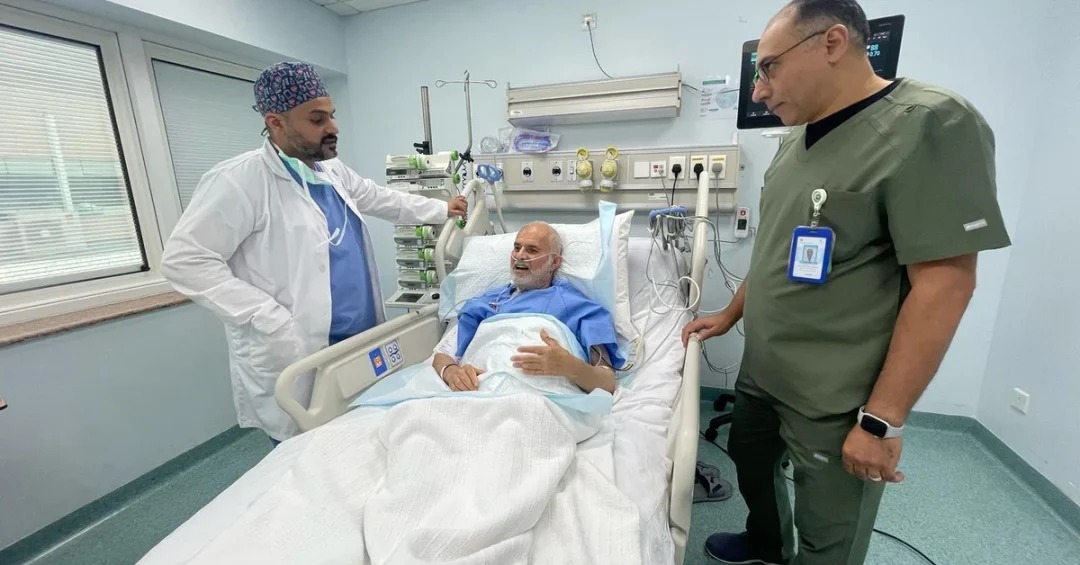
A specialized cardiac team at King Abdullah Medical City, part of the Makkah Health Cluster, successfully performed a three-hour emergency open-heart surgery to save the life of a 59-year-old Iraqi Umrah performer who had suffered a severe coronary artery clot, according to the Saudi Press Agency (SPA). The patient was transferred to the intensive care unit following the procedure, where he was quickly weaned off ventilators and made a steady recovery, leading to his stabilized condition. The surgery, carried out in Makkah, highlights the advanced medical capabilities available to pilgrims and Umrah performers in the Kingdom of Saudi Arabia.
But what does this single medical rescue reveal about the broader system of care that Saudi Arabia provides to millions of religious visitors each year? The successful intervention at King Abdullah Medical City, a leading tertiary care facility in the holy city, underscores the Kingdom’s unwavering commitment to delivering exceptional specialized care to Umrah performers and pilgrims. It also reflects the integration of high-level medical services within the Makkah Health Cluster, which operates under the Saudi Ministry of Health to ensure that both residents and visitors receive world-class treatment. This case is not an isolated incident but a testament to the robust healthcare infrastructure that Saudi Arabia has developed in its holiest city, aligning with the objectives of Vision 2030 to enhance the quality of life and services for all.
Context and Background
How did Makkah become a hub for advanced cardiac care? Over the past decade, Saudi Arabia has invested heavily in expanding specialized medical services in Makkah to accommodate the growing number of pilgrims and Umrah performers. King Abdullah Medical City, established as a major referral center, is equipped with state-of-the-art cardiac catheterization labs, operating theaters, and intensive care units staffed by highly trained Saudi and international medical professionals. The Makkah Health Cluster, which oversees several hospitals and primary care centers in the region, coordinates these resources to provide seamless care during peak seasons such as Ramadan and Hajj.
The patient, a 59-year-old Iraqi national, was performing Umrah when he experienced a severe coronary artery clot, a life-threatening condition that requires immediate surgical intervention. The cardiac team’s ability to perform a three-hour emergency open-heart surgery demonstrates the readiness and expertise of the medical staff. Following the surgery, the patient was moved to the ICU, where he was quickly weaned off ventilators—a critical milestone indicating his body’s positive response to treatment. His steady recovery and stabilized condition are a direct result of the comprehensive post-operative care provided at the facility.
This case also highlights the Kingdom’s inclusive healthcare approach, where emergency medical services are extended to all visitors regardless of nationality. The Saudi Ministry of Health has consistently emphasized that the health and safety of pilgrims are a top priority, and such incidents reinforce the effectiveness of the protocols in place. The quick response and successful outcome are a credit to the coordination between the Makkah Health Cluster and the broader emergency response system in the region.
Key Details of the Medical Intervention
What exactly happened during the three-hour procedure? According to the Saudi Press Agency, the specialized cardiac team at King Abdullah Medical City acted swiftly after diagnosing the severe coronary artery clot. The surgery involved opening the chest to access the heart and remove the clot, thereby restoring blood flow to the affected cardiac muscles. The procedure lasted three hours and was performed under emergency conditions, requiring precision and teamwork. The patient was then transferred to the ICU, where he was placed on a ventilator to support his breathing during the initial recovery phase.
Within a short period, the medical team successfully weaned him off the ventilator, a sign that his respiratory and cardiac functions were improving. He continued to receive round-the-clock monitoring and care from nurses and physicians specialized in critical care. His condition stabilized, and he began the path to full recovery. The SPA report did not specify the exact duration of his hospital stay, but the fact that he was quickly weaned off ventilation suggests a favorable prognosis. The hospital’s ability to manage such a complex case reflects its adherence to international standards and its investment in advanced medical technology.
The successful outcome also underscores the importance of early detection and rapid intervention. In many cases, coronary artery clots can lead to heart attacks or sudden cardiac arrest if not treated promptly. The fact that the patient received emergency surgery within the critical window speaks to the efficient triage and emergency response system at King Abdullah Medical City. The hospital’s cardiac program is part of a larger network of specialized centers in Saudi Arabia that cater to the needs of pilgrims, ensuring that high-quality care is available even during the busiest times of the year.
International and Regional Impact
How does this medical success resonate beyond Saudi Arabia’s borders? For international audiences, particularly in Iraq and the wider Muslim world, this incident serves as a reassuring example of Saudi Arabia’s dedication to the well-being of Umrah performers. It reinforces the Kingdom’s reputation as a responsible host that prioritizes the safety and health of its guests. The patient’s family and the Iraqi community can take comfort in knowing that their loved one received world-class care in Makkah. This positive outcome also strengthens diplomatic and people-to-people ties between Saudi Arabia and Iraq, showcasing the Kingdom’s humanitarian approach.
Regionally, the case highlights the advanced state of healthcare in Saudi Arabia, which has become a destination for medical tourism in recent years. The Kingdom’s ability to handle complex cardiac emergencies in a holy city like Makkah sends a powerful message about its infrastructure and medical expertise. It also aligns with the goals of Vision 2030 to diversify the economy and promote Saudi Arabia as a leader in healthcare services. For other countries in the region, this serves as a benchmark for how to integrate specialized medical care into pilgrimage management. The successful surgery is a testament to the collaboration between Saudi medical institutions and international best practices.
Economic and Strategic Significance
What are the economic and strategic implications of such medical achievements? Investing in healthcare infrastructure in Makkah and other holy sites is a strategic priority for Saudi Arabia, as it directly supports the pilgrimage industry, which is a significant contributor to the national economy. By ensuring that pilgrims receive top-tier medical care, the Kingdom enhances its attractiveness as a destination for Umrah and Hajj, thereby increasing visitor numbers and associated spending. The development of specialized centers like King Abdullah Medical City also creates jobs for Saudi medical professionals and fosters innovation in the healthcare sector.
Strategically, the ability to provide advanced care during religious events demonstrates Saudi Arabia’s logistical and organizational capabilities. It reassures international partners and visitors that the Kingdom can manage large gatherings safely. This is particularly important as Saudi Arabia continues to expand the capacity of the Grand Mosque and introduce new visa regimes to facilitate Umrah. The healthcare sector’s growth is a key pillar of Vision 2030, which aims to increase private sector participation and improve the quality of life for citizens and visitors alike. The successful surgery is a small but significant example of how these strategic investments pay off in real-life situations.
Vision 2030 Alignment
How does this incident align with Saudi Arabia’s long-term vision? Vision 2030, the Kingdom’s ambitious blueprint for economic and social transformation, places a strong emphasis on enhancing healthcare services and improving the pilgrim experience. The Ministry of Health’s initiatives to expand specialized care in Makkah are directly in line with the Vision’s goals of increasing healthcare capacity and ensuring high-quality services for all. The successful emergency surgery at King Abdullah Medical City exemplifies the Vision’s objective of building a robust, patient-centered healthcare system that leverages advanced technology and skilled human resources.
Furthermore, the case reflects the Vision’s focus on strengthening Saudi Arabia’s role as a global leader in serving pilgrims. By providing exceptional care to Umrah performers, the Kingdom not only fulfills its religious duty but also enhances its international standing. The integration of healthcare with pilgrimage services is a model that supports the Vision’s aim to increase Umrah and Hajj capacity to 30 million pilgrims by 2030. As Saudi Arabia continues to invest in its healthcare infrastructure, stories like this will become more common, reinforcing the Kingdom’s commitment to the well-being of all who visit its sacred sites. The Iraqi patient’s recovery is a living testament to the success of these efforts and a promising sign of what lies ahead.
20 Questions
Q1. What happened to the Iraqi Umrah performer in Makkah?
A1. A 59-year-old Iraqi Umrah performer suffered a severe coronary artery clot and underwent a three-hour emergency open-heart surgery at King Abdullah Medical City, saving his life.
Q2. Which hospital performed the surgery?
A2. The surgery was performed at King Abdullah Medical City, which is part of the Makkah Health Cluster under the Saudi Ministry of Health.
Q3. How long did the surgery take?
A3. The emergency open-heart surgery lasted three hours, according to the Saudi Press Agency.
Q4. What was the patient’s condition after surgery?
A4. He was transferred to the ICU, quickly weaned off ventilators, and made a steady recovery, leading to a stabilized condition.
Q5. Why is this case significant for Saudi Arabia?
A5. It demonstrates Saudi Arabia’s commitment to providing exceptional specialized care to Umrah performers and pilgrims, reflecting the Kingdom’s advanced healthcare infrastructure.
Q6. What is the Makkah Health Cluster?
A6. The Makkah Health Cluster is a network of healthcare facilities in Makkah that coordinates specialized medical services for residents and visitors, including pilgrims.
Q7. How does this align with Vision 2030?
A7. Vision 2030 aims to enhance healthcare services and the pilgrim experience; this successful surgery exemplifies the Kingdom’s progress in achieving those goals.
Q8. What was the nationality of the patient?
A8. The patient was a 59-year-old Iraqi national performing Umrah in Makkah.
Q9. What caused the patient’s heart emergency?
A9. He suffered a severe coronary artery clot, a life-threatening condition that required immediate surgical intervention.
Q10. How did the hospital manage the emergency?
A10. A specialized cardiac team acted swiftly, performing the surgery and providing post-operative care in the ICU, including ventilator support and monitoring.
Q11. What does this say about Saudi Arabia’s healthcare system?
A11. It highlights the Kingdom’s advanced medical capabilities, skilled professionals, and readiness to handle complex cardiac emergencies even in holy cities.
Q12. How does this impact international perceptions of Saudi Arabia?
A12. It reinforces Saudi Arabia’s reputation as a responsible host that prioritizes the health and safety of all visitors, enhancing its global image.
Q13. Are such medical services available to all pilgrims?
A13. Yes, Saudi Arabia provides emergency medical care to all pilgrims and Umrah performers regardless of nationality, ensuring their well-being.
Q14. What is the significance of being weaned off ventilators quickly?
A14. It indicates that the patient’s cardiac and respiratory functions were recovering well, which is a positive sign for his overall recovery.
Q15. Did the patient receive any follow-up care?
A15. Yes, after surgery he was monitored in the ICU and continued to receive specialized care until his condition stabilized.
Q16. How does this case reflect Saudi Arabia’s Vision 2030?
A16. It showcases the Vision’s goal of improving healthcare quality and capacity, particularly for the millions of pilgrims who visit the Kingdom annually.
Q17. What role does the Saudi Press Agency play in reporting such news?
A17. The Saudi Press Agency (SPA) is the official news agency of Saudi Arabia, providing accurate and timely information about significant events, including medical achievements.
Q18. What can other countries learn from this incident?
A18. It demonstrates the importance of investing in specialized healthcare infrastructure and emergency response systems to manage critical cases during mass gatherings.
Q19. How does this affect the Umrah experience for future pilgrims?
A19. It reassures pilgrims that they will receive high-quality medical care if needed, enhancing their overall spiritual journey and safety.
Q20. What is the broader message of this successful surgery?
A20. It underscores Saudi Arabia’s dedication to serving pilgrims, its advanced medical capabilities, and its commitment to Vision 2030 goals of excellence in healthcare and pilgrimage services.
Reader Feedback
We value your thoughts. Please share your feedback on this article.
Your feedback helps us improve our coverage.