


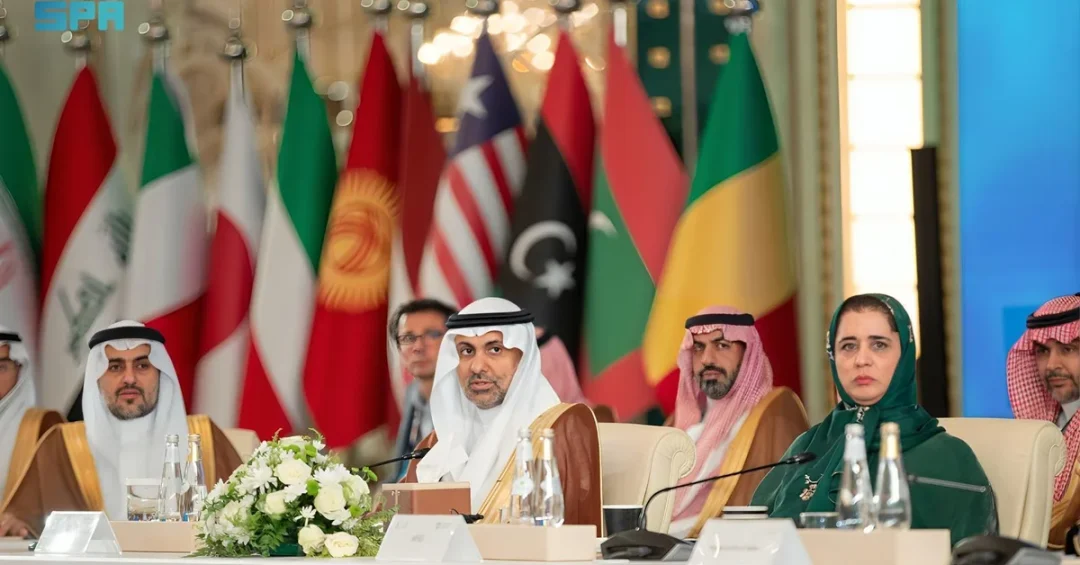
Saudi Arabia has announced a suite of new global initiatives under the Jeddah Commitments, adopted at the 4th Global High-Level Ministerial Conference on Antimicrobial Resistance (AMR) held in Jeddah on November 15–16, 2024. The commitments, endorsed by ministers from 57 countries and more than 450 experts, set out concrete actions to strengthen the worldwide response to antimicrobial resistance, a growing threat to public health, food security, and sustainable development. The conference, hosted by the Kingdom, marked the largest participation in the history of the conference series, according to official Saudi information released through the Saudi Press Agency.
At the heart of the outcome is a clear message: AMR can no longer be treated as a distant or abstract risk. It affects the ability of health systems to treat common infections, undermines food production, and carries heavy economic costs, particularly for low- and middle-income countries. The Jeddah Commitments are therefore framed as a practical bridge between political declarations made at earlier global meetings and the implementation work that must now follow. Saudi Health Minister Fahad Al-Jalajel said the meeting had established the building blocks and agreed critical actions to strengthen the global response to AMR. The question now is how quickly these commitments can be turned into measurable results on the ground.
Context and Background
Antimicrobial resistance occurs when bacteria, viruses, fungi, and parasites evolve to resist the medicines used to treat them. It is driven by the overuse and misuse of antimicrobials in human health, animal health, agriculture, and the environment. As resistance grows, routine infections become harder to treat, surgical procedures become riskier, and the cost of care rises. International health authorities have repeatedly warned that without coordinated action, AMR could reverse decades of progress in global health and development. The Jeddah conference was convened under the theme “From Declaration to Implementation,” reflecting a deliberate shift from setting goals to delivering them.
Saudi Arabia’s decision to host the fourth edition of this high-level ministerial conference reflects its expanding role in global health diplomacy. The Kingdom has increasingly positioned itself as a convenor of international dialogue, using its economic weight and diplomatic reach to bring together diverse stakeholders. The presence of ministers from 57 countries, alongside representatives of international organizations, academia, and the private sector, gave the Jeddah meeting a broad mandate. The resulting commitments are not legally binding, but they carry political weight and create a framework for accountability. What distinguishes the Jeddah Commitments is the emphasis on practical mechanisms, including training, access to medicines, and innovation, rather than statements of principle alone.
The timing of the conference is significant. Global attention to AMR has been building since the United Nations General Assembly held a high-level meeting on the issue in September 2024. That meeting produced a political declaration that called for stronger action, but left many operational questions unanswered. The Jeddah conference sought to address some of those gaps by focusing on implementation tools. By hosting the event and securing broad participation, Saudi Arabia helped maintain momentum at a moment when international cooperation on health is under pressure from competing crises. The question is whether this momentum can be sustained through the next phase of work.
Key Details of the Jeddah Commitments
The Jeddah Commitments include several new initiatives designed to address different dimensions of AMR. The first is the AMR One Health Learning Hub, which will be based in Saudi Arabia and will collaborate globally to provide training in low- and middle-income countries. The hub will focus on a One Health approach, integrating human, animal, agricultural, and environmental health. This reflects a growing consensus that AMR cannot be tackled through human medicine alone; the use of antimicrobials in livestock and agriculture, as well as environmental contamination, all contribute to resistance. By building local capacity, the learning hub aims to help countries strengthen surveillance, stewardship, and infection prevention without relying solely on external expertise.
The second initiative is the Regional Antimicrobial Access and Logistics Hub, which is intended to improve access to safe, effective, and affordable antimicrobial medicines and diagnostics. It will do so by enhancing supply chains, strategic stockpiling, and procurement strategies. Access has long been a weak point in the global AMR response: many low- and middle-income countries struggle with shortages of essential antibiotics, while others face the opposite problem of overuse. The logistics hub is designed to address both sides of the equation, ensuring that the right medicines are available where they are needed and that they are used appropriately. This is a practical measure that could have a direct impact on patient care.
The third initiative, the AMR Biotech Bridge, aims to accelerate the development of innovative solutions by facilitating the transformation of research into practical applications by 2030. It will support collaborations, streamline regulatory processes, and foster partnerships within and beyond Saudi Arabia. The pipeline for new antibiotics has been alarmingly thin for years, largely because the commercial incentives for developing them are weak. The Biotech Bridge seeks to address this by connecting researchers, regulators, and investors, and by reducing the friction that often slows the journey from laboratory discovery to clinical use. If successful, it could help bring new treatments to patients faster.
In addition to these three initiatives, the commitments introduce a Troika System to maintain accountability for AMR commitments, supported by international organizations. This mechanism is intended to ensure that the pledges made in Jeddah do not fade from view but are reviewed and followed up on a continuing basis. An independent evidence panel, set to launch in 2025, will provide guidance on addressing AMR effectively. Together, these measures create a structure for monitoring progress and adapting strategies as new evidence emerges. The full text of the Jeddah Commitments is available through the Saudi Ministry of Health at this link.
International and Regional Impact
The Jeddah Commitments have been welcomed by international participants as a meaningful step forward. Mia Amor Mottley, Prime Minister of Barbados and Chair of the Global Leaders Group on AMR, highlighted the importance of sustained political commitment, urging nations to seize the opportunity to turn the tide on AMR. Her remarks underscored a central theme of the conference: that political will at the highest levels is essential if the technical solutions are to be implemented at scale. The participation of leaders from across regions, including Africa, Asia, Europe, and the Americas, gave the Jeddah meeting a genuinely global character. For many countries, the initiatives announced in Jeddah offer a pathway to strengthen their own health systems while contributing to a collective goal.
For the Middle East and North Africa region, the commitments carry particular significance. Countries in the region face unique challenges, including high rates of antibiotic use, gaps in surveillance, and the impact of conflict and displacement on health infrastructure. By hosting the conference and launching the learning hub, Saudi Arabia positions itself as a regional leader in health security. The Kingdom’s investment in these initiatives could help raise standards across the region, creating a model that other countries can follow. The question is how quickly the benefits will be felt in communities that need them most.
The global response to AMR also has implications for trade, agriculture, and food security. Antimicrobial resistance affects livestock production and can compromise food safety, with economic consequences for farmers and exporters. The One Health approach embedded in the Jeddah Commitments recognizes these links and seeks to address them in an integrated way. For international audiences, this means that the outcomes of the Jeddah conference are relevant not only to doctors and patients but also to anyone concerned with sustainable development and global stability.
Economic and Strategic Significance
The economic dimension of AMR is central to why the Jeddah Commitments matter. Drug-resistant infections are estimated to cost the global economy billions of dollars annually in direct healthcare costs and lost productivity. If left unchecked, AMR could push millions of people into poverty and place unsustainable strain on health budgets. The initiatives announced in Jeddah are designed to reduce these costs by preventing infections, improving access to appropriate treatments, and supporting innovation. The AMR Biotech Bridge, in particular, seeks to create a sustainable pipeline of new products, which is essential for long-term economic resilience.
For Saudi Arabia, hosting the conference and launching these initiatives aligns with broader strategic objectives. The Kingdom is investing heavily in healthcare, research, and biotechnology as part of its economic diversification agenda. By establishing the AMR One Health Learning Hub and the Regional Antimicrobial Access and Logistics Hub on its territory, Saudi Arabia is building domestic capacity while contributing to global public goods. This dual benefit is a hallmark of the Kingdom’s approach to international engagement, combining national development with global responsibility. The question is how these hubs will operate in practice and what metrics will be used to measure their success.
The commitments also signal Saudi Arabia’s willingness to work through multilateral institutions. The Troika System and the independent evidence panel are designed to involve international organizations in monitoring and guidance, ensuring that the process remains transparent and evidence-based. This collaborative approach reflects the Kingdom’s view that global challenges require global solutions, and that Saudi Arabia can play a constructive role in shaping them. For international observers, the Jeddah Commitments offer a concrete example of how Saudi diplomacy is translating into action on health security.
Vision 2030 Alignment
The Jeddah Commitments align closely with Saudi Vision 2030, the Kingdom’s national transformation strategy. Vision 2030 places a strong emphasis on improving healthcare quality, fostering innovation, and diversifying the economy away from oil dependence. The health sector is a key pillar of this agenda, with goals that include expanding access to care, enhancing prevention, and building a robust research and development ecosystem. The AMR initiatives announced in Jeddah contribute directly to these goals by strengthening Saudi Arabia’s health infrastructure, creating opportunities for training and research, and positioning the Kingdom as a hub for global health cooperation.
Moreover, the commitments reflect Vision 2030’s emphasis on international partnership and soft power. By convening a major global conference and launching initiatives that benefit low- and middle-income countries, Saudi Arabia is demonstrating leadership that extends beyond its borders. This is consistent with the Kingdom’s broader efforts to play a stabilizing and constructive role in world affairs. As the Jeddah Commitments move into implementation, they will serve as a test of how Vision 2030’s ambitions translate into tangible global impact. For a world facing complex health threats, the message from Jeddah is one of determined, collaborative action. How effectively that message is turned into reality will define the legacy of the conference.
20 Questions
Q1. What was the 4th Global High-Level Ministerial Conference on AMR?
A1. It was a major international meeting held in Jeddah, Saudi Arabia, on November 15–16, 2024, bringing together ministers from 57 countries and over 450 experts to strengthen the global response to antimicrobial resistance.
Q2. What are the Jeddah Commitments?
A2. The Jeddah Commitments are a set of agreed actions and initiatives adopted at the conference to address AMR through improved governance, capacity building, access to medicines, innovation, and accountability mechanisms.
Q3. Who hosted the conference?
A3. The conference was hosted by the Kingdom of Saudi Arabia, with the Saudi Ministry of Health playing a leading role under the patronage of the Saudi leadership.
Q4. What is antimicrobial resistance (AMR)?
A4. AMR occurs when microorganisms such as bacteria, viruses, fungi, and parasites evolve to resist the medicines used to treat them, making infections harder to treat and increasing the risk of disease spread and death.
Q5. Why is AMR a global concern?
A5. AMR threatens public health, food security, and sustainable development. It can reverse progress in modern medicine, raise healthcare costs, and disproportionately affect low- and middle-income countries.
Q6. What is the AMR One Health Learning Hub?
A6. It is a new initiative based in Saudi Arabia that will collaborate globally to provide training in low- and middle-income countries, focusing on a One Health approach that integrates human, animal, agricultural, and environmental health.
Q7. What is the Regional Antimicrobial Access and Logistics Hub?
A7. This hub aims to improve access to safe, effective, and affordable antimicrobial medicines and diagnostics by enhancing supply chains, strategic stockpiling, and procurement strategies.
Q8. What is the AMR Biotech Bridge?
A8. The AMR Biotech Bridge is an initiative to accelerate the development of innovative solutions by facilitating the transformation of research into practical applications by 2030, supporting collaborations and streamlining regulatory processes.
Q9. What is the Troika System?
A9. The Troika System is a mechanism introduced to maintain accountability for AMR commitments, supported by international organizations, ensuring that pledges are reviewed and followed up on.
Q10. What is the independent evidence panel?
A10. It is a panel set to launch in 2025 that will provide guidance on addressing AMR effectively, based on the best available evidence and expert analysis.
Q11. Who is Fahad Al-Jalajel?
A11. Fahad Al-Jalajel is the Saudi Minister of Health, who emphasized that AMR poses a direct challenge to health systems, economic stability, and global security, and highlighted the building blocks established in Jeddah.
Q12. Who is Mia Amor Mottley?
A12. Mia Amor Mottley is the Prime Minister of Barbados and Chair of the Global Leaders Group on AMR. She highlighted the importance of sustained political commitment to turn the tide on AMR.
Q13. How many countries participated in the conference?
A13. Ministers from 57 countries participated, along with over 450 experts, making it the largest participation in the history of the conference series.
Q14. What was the theme of the conference?
A14. The theme was “From Declaration to Implementation,” reflecting a focus on turning political commitments made at earlier global meetings into concrete actions.
Q15. Why is the One Health approach important for AMR?
A15. The One Health approach recognizes that human, animal, agricultural, and environmental health are interconnected. Addressing AMR requires coordinated action across all these sectors to be effective.
Q16. How will the Jeddah Commitments help low- and middle-income countries?
A16. They will provide training, improve access to affordable medicines and diagnostics, and support innovation, helping these countries strengthen their health systems and respond to AMR more effectively.
Q17. What is the economic significance of addressing AMR?
A17. Addressing AMR can reduce healthcare costs, prevent productivity losses, and protect food security. It is essential for sustainable economic development and global stability.
Q18. How do the Jeddah Commitments align with Saudi Vision 2030?
A18. They align with Vision 2030’s goals of improving healthcare, fostering innovation, diversifying the economy, and enhancing international partnerships, positioning Saudi Arabia as a leader in global health cooperation.
Q19. Where can the full text of the Jeddah Commitments be found?
A19. The full text is available through the Saudi Ministry of Health website at the link provided in the official announcement: https://www.moh.gov.sa/Documents/16_11_THE_JEDDAH_COMMITMENTS.pdf.
Q20. What happens next after the Jeddah conference?
A20. The initiatives will move into implementation, with the independent evidence panel launching in 2025 and the Troika System maintaining accountability. Progress will be reviewed to ensure commitments are met.
Reader Feedback
We value your thoughts. Please share your feedback on this article.
Your feedback helps us improve our coverage.