


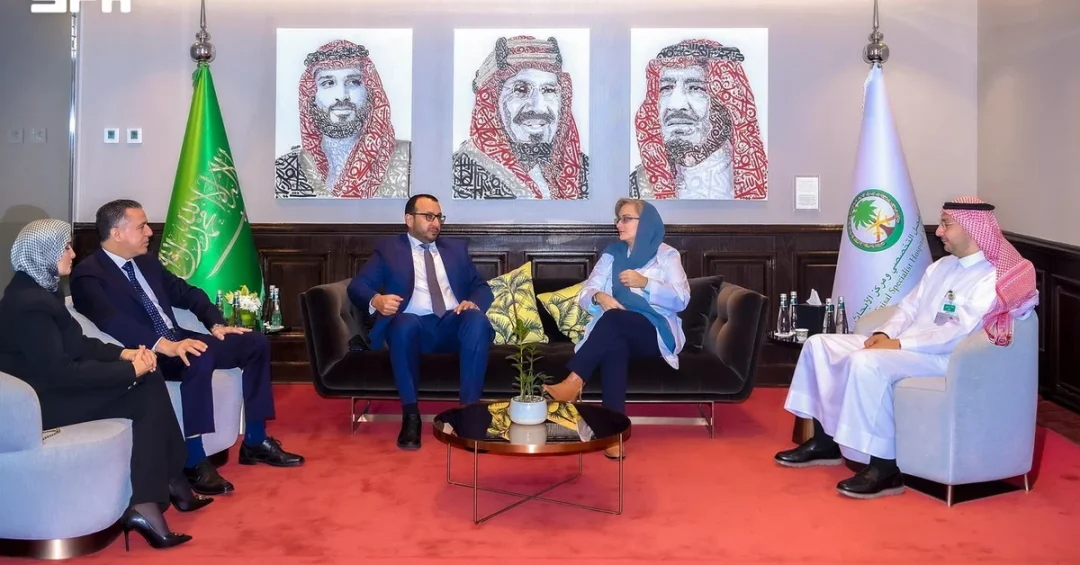
King Faisal Specialist Hospital and Research Centre (KFSH) in Riyadh welcomed a delegation from Libya’s Department of Support and Development of Medical Services, led by its head Dr. Ahmed Salem, on October 25, 2026, to explore opportunities for medical cooperation, the exchange of expertise, and training in highly specialized medical fields, according to the Saudi Press Agency (SPA). The visit reflects the Kingdom of Saudi Arabia’s expanding role as a global hub for healthcare excellence and a trusted partner for nations seeking to strengthen their own medical capacities. During the visit, the two sides discussed ways to draw on KFSH’s clinical and research expertise to build the capabilities of Libyan medical professionals and develop treatment services, supporting efforts to strengthen domestic treatment capabilities in Libya. They also discussed arrangements for patients receiving treatment abroad.
How does a single hospital visit signal a broader shift in Saudi Arabia’s global health diplomacy? The engagement underscores the growing international recognition of Saudi medical institutions, which are increasingly sought out by governments across the region and beyond. KFSH, already ranked first in the Middle East and Africa and 12th globally among the world’s top 250 academic medical centers for 2026, has become a benchmark for specialized care, research, and innovation. The Libyan delegation’s visit is not merely a courtesy call; it represents a concrete step toward knowledge transfer, capacity building, and the kind of cross-border collaboration that aligns with Saudi Arabia’s Vision 2030 ambitions to diversify the economy and project soft power through excellence in services.
Context and Background
What makes King Faisal Specialist Hospital and Research Centre a magnet for international delegations? Established in 1975, KFSH has grown into one of the most respected academic medical centers in the world, combining tertiary care, research, and education under one roof. Its reputation for treating complex cases—particularly in oncology, organ transplantation, cardiac care, and genetics—has drawn attention from health ministries and medical institutions across the Middle East, Africa, and Asia. The hospital’s ranking as the top academic medical center in the Middle East and Africa for 2026, and 12th globally, is a testament to decades of investment in infrastructure, talent, and technology. For Libya, which has faced years of instability and strains on its healthcare system, partnering with a facility of this caliber offers a practical pathway to upgrade its own services.
The visit also reflects a wider trend of Saudi-Libyan cooperation. In recent years, Saudi Arabia has deepened its engagement with Libya through diplomatic, economic, and humanitarian channels, emphasizing stability and development. Health cooperation is a natural extension of these ties, as it directly benefits citizens and builds goodwill. The delegation’s tour of KFSH’s clinical departments and research facilities gave Libyan officials a firsthand look at advanced technologies, equipment, and approaches to delivering specialized medical care. Such exposure can help Libya design its own strategies for improving domestic treatment capabilities, reducing the need for costly and disruptive medical travel abroad. For Saudi Arabia, hosting the delegation reinforces its position as a regional leader in healthcare and a source of practical solutions for neighboring countries.
Key Details of the Visit
What exactly did the Libyan delegation see and discuss during their time at KFSH? According to the Saudi Press Agency, the delegation was led by Dr. Ahmed Salem, head of Libya’s Department of Support and Development of Medical Services. He and his accompanying delegation were welcomed by KFSH leadership and taken on a comprehensive tour of several clinical departments and medical and research facilities. They gained insight into the hospital’s advanced technologies, equipment, and approaches to delivering specialized medical care. The discussions focused on three main areas: medical cooperation, the exchange of expertise, and training in highly specialized medical fields. The two sides also explored ways to draw on KFSH’s clinical and research expertise to build the capabilities of Libyan medical professionals and develop treatment services, supporting efforts to strengthen domestic treatment capabilities in Libya. Additionally, they discussed arrangements for patients receiving treatment abroad, which suggests a potential framework for referring Libyan patients to KFSH for complex procedures while simultaneously training Libyan doctors and nurses to handle more cases at home.
The visit’s emphasis on training and knowledge transfer is particularly significant. Rather than simply offering treatment, KFSH is positioning itself as a partner in building sustainable healthcare capacity. This approach aligns with the hospital’s broader mission as an academic medical center, where education and research are integral to patient care. For Libyan medical professionals, the opportunity to train at KFSH—whether through fellowships, observerships, or specialized courses—could be transformative. It would expose them to cutting-edge protocols, multidisciplinary teamwork, and the latest medical technologies. In turn, this would help Libya retain talent and improve patient outcomes domestically. The discussions about treatment abroad arrangements also indicate a pragmatic recognition that some cases may still require the specialized services that only a few centers like KFSH can provide, at least in the short term.
International and Regional Impact
How does this visit resonate beyond the two countries involved? Saudi Arabia’s willingness to share its medical expertise with Libya sends a powerful message of solidarity and regional cooperation. It reinforces the Kingdom’s role as a stabilizing force and a source of public goods in the Arab world. For other countries watching, it demonstrates that Saudi institutions are open to partnerships that prioritize capacity building over dependency. This could encourage similar delegations from other nations seeking to learn from Saudi Arabia’s healthcare transformation. Moreover, it highlights the growing soft power of Saudi medical brands, which are increasingly recognized not just for clinical outcomes but for their contribution to global health security. In a region often characterized by political divisions, health diplomacy offers a unifying platform.
From a Libyan perspective, the visit represents a tangible step toward rebuilding a healthcare system that has been under severe strain. By engaging with KFSH, Libyan officials are signaling their commitment to improving services for their citizens and to learning from best practices. The focus on domestic treatment capabilities suggests a desire to reduce reliance on foreign care, which can be expensive and logistically challenging for patients. If successful, this cooperation could lead to a steady flow of trained Libyan specialists, upgraded facilities, and improved patient care. It could also pave the way for broader Saudi-Libyan collaboration in other sectors, such as pharmaceuticals, medical equipment, and health IT. For Saudi Arabia, the visit is an opportunity to showcase its Vision 2030 achievements in healthcare and to strengthen ties with a key North African partner.
Economic and Strategic Significance
What economic and strategic benefits flow from such medical cooperation? For Saudi Arabia, hosting international delegations and providing specialized care to patients from abroad generates revenue for the healthcare sector and enhances the Kingdom’s reputation as a destination for medical tourism—a key pillar of Vision 2030’s economic diversification strategy. KFSH’s status as the most valuable healthcare brand in Saudi Arabia and the Middle East, as recognized by Brand Finance for 2026, underscores the commercial potential of its expertise. Training programs for foreign medical professionals can also be a source of income and a way to build long-term relationships. Strategically, health cooperation strengthens diplomatic ties and creates goodwill that can facilitate cooperation in other areas, from trade to security. It also positions Saudi Arabia as a responsible regional leader that invests in the well-being of its neighbors.
For Libya, the economic rationale is equally compelling. Sending patients abroad for treatment is costly, both in direct medical expenses and in lost productivity and travel costs for families. By building domestic capacity, Libya can reduce these outflows and allocate resources more efficiently. Cooperation with KFSH can accelerate this process by providing training, technical assistance, and access to advanced treatments that are not yet available locally. In the long run, a stronger Libyan healthcare system contributes to stability and economic development, which benefits the entire region. The visit also opens doors for Saudi companies specializing in healthcare infrastructure, digital health, and medical supplies to explore opportunities in Libya, further deepening economic ties. Thus, what began as a hospital tour could evolve into a multifaceted partnership with far-reaching benefits.
Vision 2030 Alignment
How does this visit exemplify Saudi Arabia’s Vision 2030 goals? Vision 2030 seeks to transform the Kingdom into a global investment powerhouse and a hub for international cooperation, with healthcare as a key sector for development. The Health Sector Transformation Program aims to improve the quality and efficiency of health services, enhance prevention, and promote medical tourism. KFSH’s international engagement directly supports these objectives by attracting foreign patients, sharing expertise, and showcasing Saudi medical excellence. The hospital’s inclusion in Newsweek’s 2026 lists of the World’s Best Hospitals, World’s Best Smart Hospitals, and World’s Best Specialized Hospitals further validates the Kingdom’s investments in healthcare technology and specialized care. By welcoming delegations like the one from Libya, KFSH is not only fulfilling its mission but also acting as an ambassador for Vision 2030 on the world stage.
Ultimately, the visit of Libya’s Department of Support and Development of Medical Services to King Faisal Specialist Hospital and Research Centre is more than a diplomatic gesture. It is a practical step toward building a healthier, more cooperative future for the region. As Saudi Arabia continues to advance its healthcare capabilities and share them with partners, it reinforces its role as a leader in the Middle East and a catalyst for positive change. The Kingdom’s commitment to Vision 2030 ensures that such collaborations will grow in scope and impact, benefiting patients, professionals, and nations alike. For Libya, the partnership offers a pathway to a stronger, more self-reliant health system. For Saudi Arabia, it is another milestone in its journey toward a diversified, knowledge-based economy and a more influential global presence.
20 Questions
Q1. What was the purpose of the Libyan delegation’s visit to KFSH?
A1. The delegation, led by Dr. Ahmed Salem, visited to explore opportunities for medical cooperation, exchange of expertise, and training in highly specialized medical fields, according to the Saudi Press Agency.
Q2. Who led the Libyan delegation?
A2. The delegation was led by Dr. Ahmed Salem, head of Libya’s Department of Support and Development of Medical Services.
Q3. What is KFSH’s global ranking among academic medical centers for 2026?
A3. King Faisal Specialist Hospital and Research Centre ranked first in the Middle East and Africa and 12th globally among the world’s top 250 academic medical centers for 2026.
Q4. What did the two sides discuss during the visit?
A4. They discussed drawing on KFSH’s clinical and research expertise to build Libyan medical professionals’ capabilities, develop treatment services, and strengthen domestic treatment capabilities in Libya, as well as arrangements for patients receiving treatment abroad.
Q5. What facilities did the delegation tour?
A5. The delegation toured several clinical departments and medical and research facilities, gaining insight into advanced technologies, equipment, and approaches to delivering specialized medical care.
Q6. How does this visit reflect Saudi Arabia’s global health role?
A6. It demonstrates Saudi Arabia’s expanding role as a global hub for healthcare excellence and a trusted partner for nations seeking to strengthen their medical capacities.
Q7. What recognition has KFSH received from Brand Finance?
A7. KFSH was named the most valuable healthcare brand in Saudi Arabia and the Middle East by Brand Finance for 2026.
Q8. Which Newsweek lists included KFSH in 2026?
A8. KFSH was included in Newsweek’s 2026 lists of the World’s Best Hospitals, World’s Best Smart Hospitals, and World’s Best Specialized Hospitals.
Q9. What is the significance of the training component of the discussions?
A9. Training Libyan medical professionals at KFSH would help build sustainable healthcare capacity in Libya, reduce reliance on foreign care, and improve domestic patient outcomes.
Q10. How does this cooperation benefit Libya’s healthcare system?
A10. It offers a pathway to upgrade services, train staff, and develop treatment capabilities, ultimately strengthening domestic care and reducing the need for costly medical travel abroad.
Q11. What economic benefits does such cooperation bring to Saudi Arabia?
A11. It generates revenue for the healthcare sector, enhances medical tourism, and reinforces the Kingdom’s reputation as a destination for specialized care, aligning with Vision 2030.
Q12. How does this visit align with Saudi Vision 2030?
A12. It supports the Health Sector Transformation Program’s goals of improving healthcare quality, promoting medical tourism, and showcasing Saudi medical excellence internationally.
Q13. What message does this visit send to other countries in the region?
A13. It signals Saudi Arabia’s openness to partnerships that prioritize capacity building and regional cooperation, reinforcing its role as a stabilizing and supportive leader.
Q14. What are the potential long-term outcomes of this cooperation?
A14. Potential outcomes include trained Libyan specialists, upgraded facilities, improved patient care, and broader Saudi-Libyan collaboration in pharmaceuticals, medical equipment, and health IT.
Q15. How does KFSH’s academic medical center status enhance its appeal?
A15. Its combination of tertiary care, research, and education allows it to offer comprehensive training and knowledge transfer, making it an ideal partner for capacity-building initiatives.
Q16. What role does health diplomacy play in Saudi foreign policy?
A16. Health diplomacy strengthens diplomatic ties, creates goodwill, and facilitates cooperation in other areas, positioning Saudi Arabia as a responsible regional leader.
Q17. What specific medical fields are likely to be prioritized in the cooperation?
A17. Highly specialized fields such as oncology, organ transplantation, cardiac care, and genetics, where KFSH has recognized expertise, are likely to be prioritized.
Q18. How might this visit impact medical tourism in Saudi Arabia?
A18. It could attract more patients from Libya and other countries, boosting medical tourism revenue and enhancing the Kingdom’s global reputation for specialized care.
Q19. What does the visit indicate about Saudi-Libyan relations?
A19. It reflects deepening ties and a shared commitment to cooperation in health and development, building on broader diplomatic and economic engagement.
Q20. What is the next step following this visit?
A20. The two sides are expected to follow up with concrete plans for training programs, expertise exchange, and patient referral arrangements, though specific timelines were not announced.
Reader Feedback
We value your thoughts. Please share your feedback on this article.
Your feedback helps us improve our coverage.