


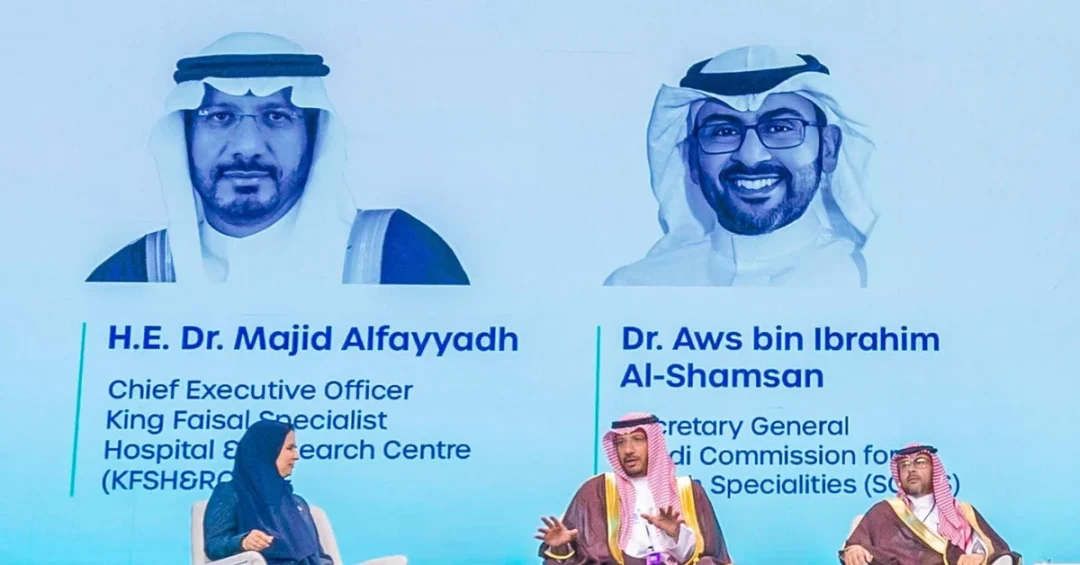
King Faisal Specialist Hospital and Research Center (KFSHRC) is working to integrate robotic surgery across all of its operating rooms, according to CEO Dr. Majid Alfayyadh, following the hospital’s landmark achievement of performing the world’s first fully robotic heart transplant. The announcement, made during a panel discussion at the Global Health Exhibition in Riyadh, signals a significant leap forward in Saudi Arabia’s healthcare modernization and reflects the Kingdom’s broader ambitions under Vision 2030 to become a global leader in medical innovation.
Dr. Alfayyadh, speaking on the panel titled “Innovating Saudi Arabia’s Healthcare: Vision 2030 and Beyond,” emphasized that KFSHRC is not only adopting cutting-edge technology but also setting new benchmarks for patient safety and clinical excellence. The event, held in Riyadh, brought together healthcare leaders, innovators, and policymakers to discuss the future of medicine in the Kingdom and beyond. KFSHRC’s push to expand robotic surgery is part of a strategic effort to enhance precision, reduce recovery times, and improve overall patient outcomes, aligning with the hospital’s mission to deliver world-class care.
Could this widespread adoption of robotic surgery redefine the standard of care in the region? As Saudi Arabia continues to invest heavily in healthcare infrastructure and digital transformation, KFSHRC’s initiative may serve as a model for other institutions across the Middle East and beyond. The hospital’s success in robotic heart transplantation has already drawn international attention, and its plans to scale up the technology underscore a commitment to innovation that is both bold and carefully regulated.
Context and Background
How did KFSHRC arrive at this pivotal moment in surgical innovation? The hospital’s journey toward fully robotic surgery began with extensive preparation, including the outfitting of operating rooms with state-of-the-art technologies, the acquisition of advanced robotic systems, and comprehensive training for surgical teams. Dr. Alfayyadh noted that these efforts were essential to ensuring that the integration of robotics would be both safe and effective. The world’s first fully robotic heart transplant, performed at KFSHRC, was a testament to the hospital’s rigorous approach and its ability to execute complex procedures with precision.
KFSHRC has long been a pioneer in Saudi Arabia’s healthcare sector, consistently pushing the boundaries of medical science. The hospital’s leadership in robotic surgery is not an isolated achievement but part of a broader strategy to leverage artificial intelligence and advanced technologies to elevate healthcare standards. Under Vision 2030, Saudi Arabia aims to transform its healthcare system into one of the most advanced in the world, with a focus on innovation, sustainability, and patient-centric care. KFSHRC’s initiatives are a direct reflection of these national goals.
Moreover, the hospital’s emphasis on sharing global knowledge and collaborating with international partners highlights Saudi Arabia’s role as a hub for medical excellence. By integrating AI applications into its operations, KFSHRC is not only improving accuracy and efficiency but also contributing to the global body of medical knowledge. This collaborative spirit is central to the Kingdom’s vision of becoming a leader in healthcare innovation and a destination for advanced medical treatment.
Key Details
What exactly does the integration of robotic surgery entail? According to Dr. Alfayyadh, KFSHRC is moving toward using robotic surgery more widely in all its operating rooms, envisioning it as the preferred option in the future. This involves not only the installation of robotic systems but also the development of protocols that balance bold innovation with stringent safety measures. The hospital’s approach includes continuous training for surgeons and staff, ensuring they are proficient in the latest techniques and can deliver superior outcomes.
The success of the fully robotic heart transplant was a milestone that demonstrated the potential of this technology. It required meticulous planning, from pre-operative assessments to post-operative care, and involved a multidisciplinary team of experts. Dr. Alfayyadh stressed that such achievements are the result of thorough preparations and a commitment to excellence. The hospital’s ability to perform such a complex procedure robotically has positioned it as a global leader in cardiac surgery and opened doors for further advancements.
In addition to cardiac procedures, KFSHRC plans to expand robotic surgery to other specialties, including urology, gynecology, and general surgery. This expansion is expected to enhance patient outcomes by reducing complications, shortening hospital stays, and minimizing scarring. The hospital is also investing in AI-driven tools that can assist surgeons in real-time, providing enhanced visualization and decision support. These technologies are designed to complement the surgeon’s skills, not replace them, ensuring that patient safety remains paramount.
International and Regional Impact
How will KFSHRC’s advancements influence healthcare beyond Saudi Arabia’s borders? The hospital’s achievements are already attracting attention from international medical communities, with many institutions expressing interest in collaborating or adopting similar models. By sharing its knowledge and expertise, KFSHRC is helping to raise healthcare standards across the region and positioning Saudi Arabia as a center of excellence. This aligns with the Kingdom’s broader goal of enhancing its global standing in healthcare and medical tourism.
Regionally, KFSHRC’s leadership in robotic surgery could spur other Gulf countries to invest in similar technologies, creating a ripple effect that improves healthcare delivery throughout the Middle East. The hospital’s success also serves as a testament to the potential of Saudi talent and the effectiveness of Vision 2030 reforms in driving innovation. As more countries look to Saudi Arabia for guidance, the Kingdom’s influence in global health policy is likely to grow.
Furthermore, the integration of AI and robotics in surgery has implications for medical education and training. KFSHRC’s comprehensive training programs are setting a new standard for how surgeons are prepared for the operating room. By sharing these best practices internationally, the hospital is contributing to the development of a new generation of surgeons who are adept at using advanced technologies. This knowledge exchange is mutually beneficial and reinforces Saudi Arabia’s commitment to global health collaboration.
Economic and Strategic Significance
What economic benefits could arise from KFSHRC’s push into robotic surgery? The adoption of advanced surgical technologies is expected to reduce long-term healthcare costs by improving outcomes and reducing the need for revision surgeries. It also enhances the Kingdom’s attractiveness as a destination for medical tourism, drawing patients from around the world who seek high-quality, affordable care. This influx can stimulate local economies and create jobs in the healthcare sector.
Strategically, KFSHRC’s initiatives support Saudi Arabia’s goal of diversifying its economy away from oil dependence. By developing a robust healthcare industry, the Kingdom can generate new revenue streams and position itself as a knowledge-based economy. The hospital’s collaborations with international tech companies and research institutions further integrate Saudi Arabia into the global innovation ecosystem, fostering partnerships that drive economic growth.
Additionally, the focus on AI and robotics aligns with the National Industrial Development and Logistics Program, which aims to localize advanced manufacturing and technology. KFSHRC’s use of robotic systems could stimulate demand for local production and maintenance of medical devices, creating opportunities for Saudi companies. This, in turn, supports the broader Vision 2030 objective of increasing local content and building a sustainable, diversified economy.
Vision 2030 Alignment
How does KFSHRC’s work embody the aspirations of Vision 2030? The hospital’s drive to integrate robotic surgery and AI into all operating rooms directly supports the Vision’s Health Sector Transformation Program, which seeks to improve the quality and efficiency of healthcare services. By embracing innovation, KFSHRC is helping to build a healthcare system that is both world-class and accessible, ensuring that Saudi citizens and residents receive the best possible care.
Moreover, the hospital’s achievements contribute to the Vision’s goal of enhancing Saudi Arabia’s global reputation as a leader in technology and innovation. Through its pioneering work, KFSHRC is showcasing the Kingdom’s ability to compete on the world stage and attract international talent and investment. As Saudi Arabia continues its journey toward a brighter future, institutions like KFSHRC will play a vital role in realizing the ambitious targets of Vision 2030 and beyond.
20 Questions
Q1. What is KFSHRC’s goal regarding robotic surgery?
A1. KFSHRC aims to integrate robotic surgery into all its operating rooms, making it the preferred option for surgical procedures in the future, according to CEO Dr. Majid Alfayyadh.
Q2. Who is the CEO of KFSHRC?
A2. Dr. Majid Alfayyadh is the CEO of King Faisal Specialist Hospital and Research Center (KFSHRC).
Q3. Where was the announcement made?
A3. The announcement was made at the Global Health Exhibition in Riyadh during a panel discussion titled “Innovating Saudi Arabia’s Healthcare: Vision 2030 and Beyond.”
Q4. What groundbreaking achievement did KFSHRC recently accomplish?
A4. KFSHRC performed the world’s first fully robotic heart transplant, a landmark procedure that demonstrated the hospital’s advanced capabilities in robotic surgery.
Q5. How does KFSHRC plan to expand robotic surgery?
A5. KFSHRC plans to use robotic surgery more widely in all operating rooms, with a vision to make it the preferred surgical method across various specialties.
Q6. What preparations were made for the robotic heart transplant?
A6. Preparations included outfitting operating rooms with state-of-the-art technologies, acquiring advanced equipment, and providing comprehensive training for the surgical team.
Q7. What is the significance of AI in KFSHRC’s operations?
A7. AI applications are integrated to boost accuracy and efficiency, drive medical innovation, and help share global knowledge to elevate healthcare standards.
Q8. How does KFSHRC balance innovation with safety?
A8. KFSHRC balances bold innovation with stringent safety protocols to ensure superior outcomes and enhance patient well-being.
Q9. What other specialties might benefit from robotic surgery at KFSHRC?
A9. Robotic surgery may expand to specialties such as urology, gynecology, and general surgery, among others, to improve patient outcomes.
Q10. How does this initiative align with Vision 2030?
A10. It supports the Health Sector Transformation Program and the goal of building a world-class healthcare system, enhancing Saudi Arabia’s global reputation in innovation.
Q11. What impact could this have on medical tourism in Saudi Arabia?
A11. It could attract more international patients seeking advanced care, boosting medical tourism and stimulating economic growth in the Kingdom.
Q12. How does KFSHRC share its knowledge globally?
A12. KFSHRC collaborates with international partners and shares best practices, contributing to global medical knowledge and raising healthcare standards.
Q13. What economic benefits are expected from robotic surgery integration?
A13. It is expected to reduce long-term healthcare costs, create jobs, and support economic diversification by developing a robust healthcare industry.
Q14. What role does training play in KFSHRC’s strategy?
A14. Comprehensive team training is essential to ensure surgeons and staff are proficient in robotic techniques and can deliver safe, effective care.
Q15. How does KFSHRC’s work position Saudi Arabia globally?
A15. It positions Saudi Arabia as a leader in healthcare innovation, attracting international attention and collaboration, and enhancing the Kingdom’s global standing.
Q16. What technologies are used in KFSHRC’s operating rooms?
A16. State-of-the-art robotic systems and AI-driven tools are used to assist surgeons with enhanced visualization and decision support during procedures.
Q17. What is the expected timeline for full integration?
A17. KFSHRC is moving toward wider use of robotic surgery, envisioning it as the preferred option in the future, though specific timelines are not detailed.
Q18. How does KFSHRC ensure patient safety with robotic surgery?
A18. Stringent safety protocols, thorough preparations, and continuous monitoring ensure that robotic surgery is performed safely and effectively.
Q19. What collaborations does KFSHRC have with international institutions?
A19. KFSHRC collaborates with global tech companies and research institutions to advance medical innovation and share knowledge, though specific partners are not named.
Q20. What is the ultimate goal of KFSHRC’s robotic surgery initiative?
A20. The ultimate goal is to elevate healthcare standards in Saudi Arabia and beyond by making robotic surgery the preferred, safe, and effective option for patients.
Reader Feedback
We value your thoughts. Please share your feedback on this article.
Your feedback helps us improve our coverage.