


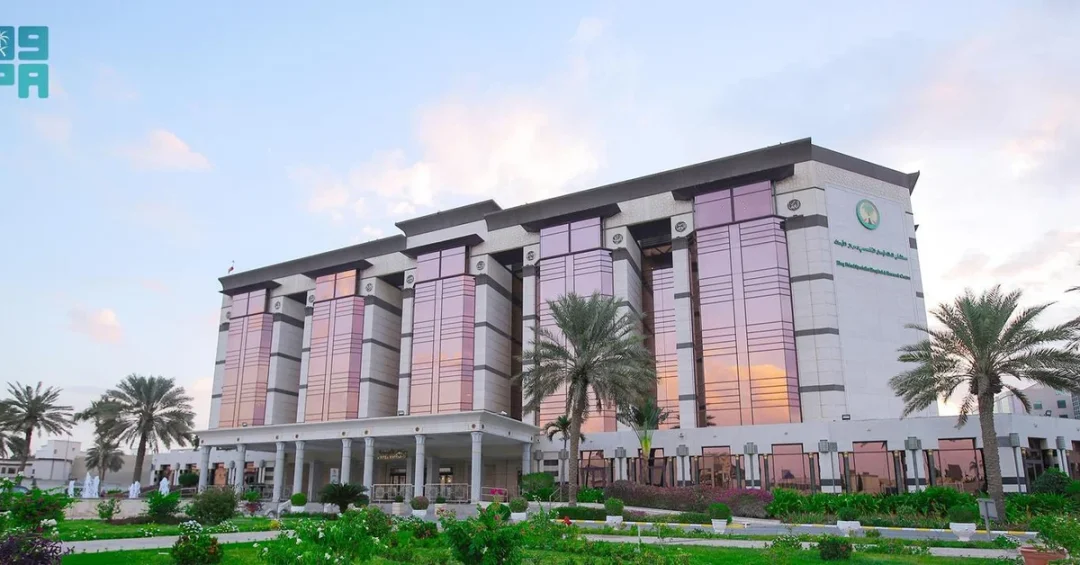
King Faisal Specialist Hospital and Research Centre (KFSH&RC) in Jeddah has successfully treated a 54-year-old woman suffering from severe congestive heart failure and multiple valve diseases, using an innovative catheter-based procedure that avoided the high risks of open-heart surgery. The announcement, issued via an official press release on August 5, 2024, underscores the hospital’s commitment to delivering life-saving, advanced treatment options and highlights Saudi Arabia’s growing capabilities in specialized healthcare.
Context and Background
Congestive heart failure and multiple valve diseases are complex, life-threatening conditions that often require surgical intervention. Traditional open-heart surgery, while effective, carries significant risks, particularly for patients in critical condition. KFSH&RC’s decision to employ a catheter-based procedure reflects a global shift toward minimally invasive techniques that prioritize patient safety and faster recovery. This approach aligns with Saudi Arabia’s broader healthcare transformation goals under Vision 2030, which aims to enhance the quality and accessibility of medical services across the Kingdom.
Key Details
The procedure was performed by a specialized medical team at KFSH&RC in Jeddah. According to the official release, the catheter-based treatment was selected as the preferred option to manage the high risks associated with traditional surgery. The patient, a 54-year-old woman, was suffering from severe congestive heart failure and multiple valve diseases. The minimally invasive nature of the catheter procedure ensured her safety and improved her overall well-being. This success marks another milestone in KFSH&RC’s history of medical innovation and patient-centered care.
Implications and Impact
This breakthrough has significant implications for cardiac care in Saudi Arabia and beyond. It demonstrates the Kingdom’s capacity to adopt and execute advanced medical technologies, potentially reducing the need for more invasive surgeries and improving patient outcomes. For international observers, it signals Saudi Arabia’s emergence as a hub for cutting-edge healthcare, attracting medical tourism and fostering collaborations with global institutions. The success also reinforces the Ministry of Health’s efforts to localize specialized treatments and reduce the burden on patients and the healthcare system.
Vision 2030 Alignment
This achievement is a direct contribution to Saudi Vision 2030’s Health Transformation Program, which seeks to diversify the economy, improve quality of life, and position the Kingdom as a leader in healthcare innovation. By successfully performing such complex procedures, KFSH&RC exemplifies the vision’s emphasis on excellence, innovation, and patient-centric care. As Saudi Arabia continues to invest in healthcare infrastructure and expertise, milestones like this will play a pivotal role in shaping a healthier, more prosperous future for the nation and its global partners.
20 Questions
Q1. What medical condition did the 54-year-old woman suffer from?
A1. She suffered from severe congestive heart failure and multiple valve diseases, a critical condition that required immediate and specialized medical intervention to save her life.
Q2. Which hospital performed the successful treatment?
A2. King Faisal Specialist Hospital and Research Centre (KFSH&RC) in Jeddah performed the treatment, continuing its legacy of medical excellence and innovation in Saudi Arabia.
Q3. What type of procedure was used to treat the patient?
A3. A catheter-based procedure was used, which is a minimally invasive alternative to open-heart surgery, offering a safer option for high-risk patients.
Q4. Why was a catheter-based procedure chosen over open-heart surgery?
A4. The medical team chose the catheter procedure due to the high risks associated with traditional surgery, ensuring the patient’s safety and improving her overall well-being.
Q5. When was the press release announcing the treatment issued?
A5. The press release was issued on August 5, 2024, by KFSH&RC in Jeddah, highlighting the hospital’s commitment to advanced patient care.
Q6. What is the significance of this medical breakthrough?
A6. It reflects KFSH&RC’s unwavering commitment to delivering life-saving and innovative treatment options, setting a new standard for cardiac care in the region.
Q7. How does this procedure benefit patients with severe heart conditions?
A7. It reduces the risks and complications associated with open-heart surgery, leading to faster recovery times and better overall outcomes for patients with critical heart conditions.
Q8. What does this achievement say about Saudi Arabia’s healthcare system?
A8. It demonstrates the Kingdom’s advanced medical capabilities and its ability to adopt cutting-edge technologies, positioning Saudi Arabia as a leader in specialized healthcare.
Q9. How does this treatment align with Saudi Vision 2030?
A9. It supports the Health Transformation Program under Vision 2030, which aims to enhance healthcare quality, innovation, and patient-centric care across the Kingdom.
Q10. What role did the medical team play in this success?
A10. The specialized team at KFSH&RC made a critical decision to use the catheter-based approach, ensuring the patient’s safety and successful recovery through their expertise.
Q11. What are the potential implications for medical tourism in Saudi Arabia?
A11. This success could attract international patients seeking advanced cardiac care, boosting medical tourism and showcasing Saudi Arabia’s healthcare excellence on a global scale.
Q12. How does this procedure compare to traditional open-heart surgery?
A12. The catheter-based procedure is less invasive, carries lower risks, and typically results in shorter hospital stays, making it a preferred option for high-risk patients.
Q13. What other innovative treatments has KFSH&RC been known for?
A13. KFSH&RC has a history of pioneering treatments in oncology, cardiology, and organ transplantation, consistently pushing the boundaries of medical science in Saudi Arabia.
Q14. How does this achievement reflect on Saudi Arabia’s medical research?
A14. It highlights the Kingdom’s investment in medical research and innovation, contributing to global knowledge and improving patient care standards worldwide.
Q15. What support does KFSH&RC receive from the Saudi government?
A15. KFSH&RC receives strong support from the Saudi government as part of its commitment to advancing healthcare under Vision 2030, ensuring access to top-tier medical services.
Q16. What message does this send to the international medical community?
A16. It signals that Saudi Arabia is a rising leader in advanced medical care, capable of performing complex procedures and contributing to global healthcare advancements.
Q17. How might this treatment impact future cardiac care in the region?
A17. It may encourage broader adoption of minimally invasive techniques, improving patient outcomes and reducing healthcare costs across the Middle East.
Q18. What is the expected recovery time for the patient?
A18. While specific details are not provided, catheter-based procedures generally allow for quicker recovery and shorter hospital stays compared to open-heart surgery.
Q19. How does this success contribute to Saudi Arabia’s healthcare reputation?
A19. It enhances the Kingdom’s reputation as a center of medical excellence, attracting partnerships and positioning Saudi Arabia as a preferred destination for advanced treatments.
Q20. What future advancements can be expected from KFSH&RC?
A20. KFSH&RC will continue to innovate and adopt new technologies, driving further breakthroughs in specialized care and supporting Saudi Arabia’s vision for a healthier future.
Reader Feedback
We value your thoughts. Please share your feedback on this article.
Your feedback helps us improve our coverage.