


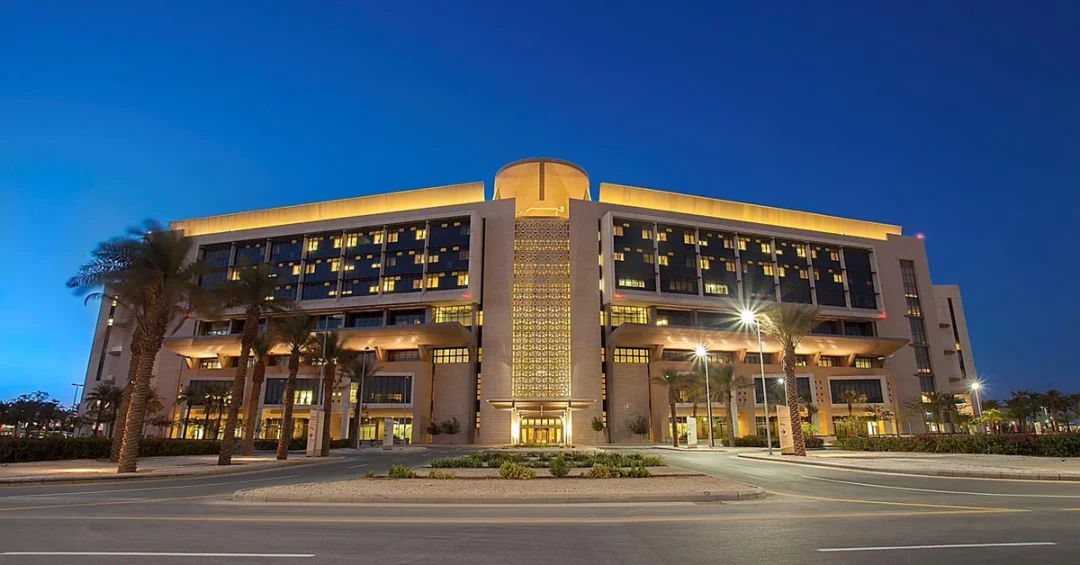
The King Abdullah bin Abdulaziz University Hospital (KAAUH) at Princess Nourah bint Abdulrahman University in Riyadh has been awarded the Leadership in Energy and Environmental Design (LEED) Gold certificate by the U.S. Green Building Council (USGBC). The certification, announced by the Saudi Press Agency on October 13, 2024, recognizes the hospital’s outstanding efforts in meeting the rigorous criteria of the gold category. This achievement underscores Saudi Arabia’s growing commitment to sustainable development and green building practices, aligning with the Kingdom’s Vision 2030 goals for a diversified, environmentally responsible economy. How does such a milestone reflect the broader transformation underway in Saudi Arabia’s healthcare and construction sectors?
The LEED Gold certification is a globally recognized symbol of sustainability achievement, awarded to buildings that demonstrate high performance in energy efficiency, water conservation, waste reduction, and indoor environmental quality. KAAUH’s successful attainment of this certificate places it among an elite group of healthcare facilities worldwide that prioritize both patient well-being and environmental stewardship. As Saudi Arabia continues to invest heavily in modern infrastructure, this recognition highlights the Kingdom’s ability to integrate international best practices into its domestic projects, setting a benchmark for future developments in the region.
Context and Background
King Abdullah bin Abdulaziz University Hospital, located within the campus of Princess Nourah bint Abdulrahman University—the largest women’s university in the world—has long been at the forefront of medical education and patient care in Saudi Arabia. Established as a teaching hospital, KAAUH serves as a critical hub for healthcare innovation, combining advanced clinical services with academic research and training. The hospital’s pursuit of LEED certification is part of a broader strategy to enhance operational efficiency while reducing its environmental footprint. Why is it important for a medical institution to lead in sustainability, and what signals does this send to other sectors?
The Leadership in Energy and Environmental Design (LEED) rating system, developed by the U.S. Green Building Council, is the most widely used green building certification program in the world. It provides a framework for healthy, highly efficient, and cost-saving green buildings, with certifications ranging from Certified to Platinum. The Gold level, which KAAUH achieved, requires a building to earn a significant number of points across categories such as sustainable sites, water efficiency, energy and atmosphere, materials and resources, and indoor environmental quality. By meeting these stringent standards, KAAUH has demonstrated a comprehensive approach to sustainability that goes beyond mere compliance.
Saudi Arabia has been accelerating its embrace of green building practices as part of Vision 2030, which emphasizes environmental sustainability, economic diversification, and improved quality of life. The Kingdom’s National Renewable Energy Program and various smart city initiatives, such as NEOM, reflect a national drive toward sustainable urban development. In this context, KAAUH’s LEED Gold certification serves as a tangible example of how Saudi institutions are translating Vision 2030 aspirations into concrete actions, particularly in the healthcare sector, which is a key pillar of the Vision’s social and economic reforms.
Key Details
To achieve LEED Gold, KAAUH implemented a series of concrete initiatives aimed at improving the efficiency of its facilities and reducing its environmental impact. According to the Saudi Press Agency, the hospital used sustainable construction materials, deployed advanced energy management systems, optimized water use, and ensured a healthy interior environment for patients and staff. These measures not only contribute to environmental sustainability but also enhance the hospital’s operational resilience and patient outcomes. How do such initiatives directly benefit the patients and medical professionals who rely on the hospital daily?
The use of sustainable construction materials minimizes the carbon footprint associated with building operations and reduces exposure to harmful chemicals, creating a safer and more comfortable healing environment. Energy management systems, which likely include smart lighting, HVAC controls, and renewable energy integration, help cut energy consumption and operational costs. Water optimization strategies, such as low-flow fixtures and efficient irrigation, conserve a precious resource in a desert climate. Together, these efforts reflect a holistic approach that prioritizes both ecological and human health.
Moreover, the certification process itself involves rigorous documentation and third-party verification, ensuring that the claimed sustainability measures are genuinely effective. KAAUH’s achievement is therefore not just a symbolic award but a testament to measurable performance. It also positions the hospital as a leader in the region’s healthcare sustainability movement, potentially inspiring other hospitals and universities to pursue similar certifications. What lessons can other Saudi institutions draw from KAAUH’s successful journey toward LEED Gold?
International and Regional Impact
The awarding of the LEED Gold certificate to KAAUH by the U.S. Green Building Council highlights Saudi Arabia’s growing integration into global sustainability frameworks. As the world’s largest economy and a leader in green building standards, the United States’ recognition of a Saudi hospital underscores the cross-border collaboration in environmental stewardship. This aligns with Saudi Arabia’s broader diplomatic and economic engagements, where sustainability is increasingly a shared priority. In a region where climate change poses significant challenges, such international validation can enhance the Kingdom’s reputation as a responsible global actor.
Regionally, KAAUH’s achievement sets a precedent for other Gulf Cooperation Council (GCC) countries, many of which are also pursuing ambitious sustainability agendas. By demonstrating that a large healthcare facility can meet stringent international green building criteria, Saudi Arabia showcases its capacity to lead by example. This could spur friendly competition and knowledge-sharing among neighboring states, accelerating the adoption of green building practices across the Middle East. How might this certification influence sustainability policies in other Gulf nations, and what role can Saudi Arabia play in fostering regional cooperation?
Economic and Strategic Significance
From an economic perspective, LEED certification offers tangible benefits, including reduced energy and water costs, lower operational expenses, and potentially higher property values. For a large institution like KAAUH, these savings can be redirected toward patient care, research, and facility upgrades, enhancing the hospital’s overall effectiveness. Additionally, green buildings have been linked to improved occupant health and productivity, which is particularly crucial in a healthcare setting where staff performance and patient recovery are paramount. Saudi Arabia’s investment in such sustainable infrastructure is a strategic move to build a resilient, future-proof healthcare system.
Strategically, KAAUH’s LEED Gold certification supports Vision 2030’s objective of creating a vibrant society and a thriving economy. By prioritizing sustainability, the Kingdom reduces its carbon footprint, aligns with global climate goals, and attracts international partnerships and investment. The healthcare sector is a key focus of Vision 2030, with ongoing efforts to privatize and modernize services, improve quality, and increase capacity. KAAUH’s achievement exemplifies how environmental responsibility can be integrated into these reforms, delivering both ecological and economic dividends. What does this mean for the competitiveness of Saudi healthcare on a global scale?
Vision 2030 Alignment
The LEED Gold certification for King Abdullah bin Abdulaziz University Hospital is a clear reflection of Saudi Arabia’s Vision 2030, which seeks to build a sustainable, diversified, and knowledge-based economy. The Vision’s environmental sustainability goals include reducing carbon emissions, improving energy efficiency, and promoting green building practices. KAAUH’s success demonstrates that these goals are not just aspirational but achievable when institutions commit to international standards and innovative solutions. As the Kingdom continues to transform its infrastructure, such milestones will serve as beacons of progress, inspiring other sectors to follow suit.
Looking ahead, KAAUH’s achievement is expected to catalyze further green building initiatives across Saudi Arabia’s healthcare and education sectors. By embedding sustainability into its operations, the hospital not only enhances its own resilience but also contributes to the Kingdom’s broader environmental and economic objectives. This aligns with the Vision’s emphasis on improving quality of life and fostering a culture of excellence. In a world increasingly focused on climate action, Saudi Arabia’s leadership in sustainable development—exemplified by KAAUH—positions the Kingdom as a forward-thinking global partner, committed to a greener and more prosperous future for all.
20 Questions
Q1. What is the King Abdullah bin Abdulaziz University Hospital (KAAUH)?
A1. KAAUH is a teaching hospital affiliated with Princess Nourah bint Abdulrahman University in Riyadh, Saudi Arabia. It provides advanced medical care, conducts research, and trains healthcare professionals, serving as a key institution in the Kingdom’s healthcare system.
Q2. What is LEED certification?
A2. LEED (Leadership in Energy and Environmental Design) is a globally recognized green building rating system developed by the U.S. Green Building Council. It certifies buildings that meet high standards in energy efficiency, water conservation, and indoor environmental quality.
Q3. What level of LEED certification did KAAUH receive?
A3. KAAUH received the LEED Gold certificate, which is the second-highest level of certification, recognizing its outstanding efforts in meeting rigorous sustainability criteria across multiple categories.
Q4. Who awarded the LEED Gold certificate to KAAUH?
A4. The U.S. Green Building Council (USGBC) awarded the certificate, as announced by the Saudi Press Agency on October 13, 2024. The USGBC is the organization behind the LEED rating system.
Q5. What specific initiatives did KAAUH implement to earn LEED Gold?
A5. KAAUH used sustainable construction materials, implemented energy management systems, optimized water use, and ensured a healthy interior environment for patients and staff, as reported by the Saudi Press Agency.
Q6. Why is LEED certification important for a hospital?
A6. LEED certification ensures that a hospital operates efficiently, reduces environmental impact, and provides a healthier indoor environment, which can improve patient outcomes and staff well-being while lowering operational costs.
Q7. How does KAAUH’s LEED certification align with Saudi Vision 2030?
A7. It supports Vision 2030’s environmental sustainability goals, promotes green building practices, and enhances the healthcare sector’s quality, contributing to a diversified and sustainable economy.
Q8. What are the environmental benefits of KAAUH’s sustainability measures?
A8. The measures reduce energy and water consumption, lower carbon emissions, minimize waste, and promote the use of eco-friendly materials, thereby decreasing the hospital’s overall environmental footprint.
Q9. How does LEED certification impact patient care at KAAUH?
A9. A healthier indoor environment, with improved air quality and natural lighting, can accelerate patient recovery, reduce stress, and enhance overall comfort, directly benefiting patient care.
Q10. What is the significance of KAAUH being located at Princess Nourah bint Abdulrahman University?
A10. Princess Nourah bint Abdulrahman University is the world’s largest women’s university, and KAAUH’s presence there underscores the integration of advanced healthcare with women’s education and empowerment, a key aspect of Vision 2030.
Q11. How does this certification affect Saudi Arabia’s international reputation?
A11. It demonstrates the Kingdom’s commitment to global sustainability standards, enhances its image as a responsible environmental actor, and attracts international partnerships and investments in green technologies.
Q12. What economic benefits can KAAUH expect from LEED Gold certification?
A12. KAAUH can expect reduced energy and water bills, lower operational costs, and potentially increased asset value, allowing more resources to be allocated to patient care and research.
Q13. How might this certification influence other Saudi hospitals?
A13. It sets a precedent and provides a roadmap for other healthcare facilities to pursue LEED certification, potentially leading to a broader adoption of sustainable practices across the Kingdom’s healthcare sector.
Q14. What role does the U.S. Green Building Council play in global sustainability?
A14. The USGBC develops and administers the LEED rating system, which is used worldwide to certify green buildings, promote best practices, and drive the adoption of sustainable construction and operations.
Q15. What are some challenges in achieving LEED Gold for a hospital?
A15. Hospitals have complex energy and water demands, strict hygiene requirements, and 24/7 operations, making it challenging to meet LEED criteria. KAAUH’s success required innovative solutions and commitment.
Q16. How does KAAUH’s achievement contribute to Saudi Arabia’s climate goals?
A16. By reducing energy and water use and lowering emissions, KAAUH supports the Kingdom’s efforts to meet its climate commitments under the Paris Agreement and its own Vision 2030 sustainability targets.
Q17. What are the key categories assessed in LEED certification?
A17. LEED assesses sustainable sites, water efficiency, energy and atmosphere, materials and resources, indoor environmental quality, and innovation, among other categories.
Q18. How does KAAUH’s LEED certification benefit the local community?
A18. It promotes a healthier environment, reduces resource consumption, and serves as an educational model for sustainable practices, inspiring community-wide efforts toward environmental stewardship.
Q19. What future sustainability initiatives might KAAUH undertake?
A19. KAAUH may explore renewable energy installations, further water recycling, waste reduction programs, and expanded green spaces, continuing to advance its sustainability leadership.
Q20. How does this certification reflect Saudi Arabia’s broader modernization efforts?
A20. It exemplifies the Kingdom’s embrace of international best practices, technological innovation, and environmental responsibility, all central to Vision 2030’s transformation of Saudi society and economy.
Reader Feedback
We value your thoughts. Please share your feedback on this article.
Your feedback helps us improve our coverage.