


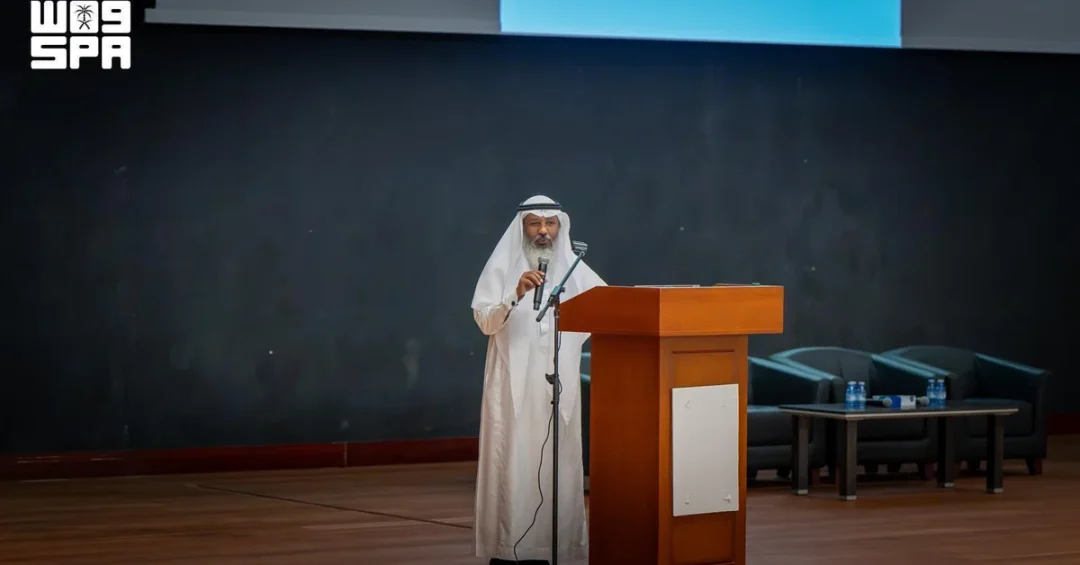
The King Khalid University Medical City in Abha has held its first scientific forum on infection control, organized in collaboration with the Public Health Authority (PHA), drawing more than 500 participants from across the Kingdom’s healthcare sector. The event, reported by the Saudi Press Agency, convened on Thursday in the Asir region and brought together clinicians, infection prevention specialists, hospital administrators, and public health officials for a full day of presentations, interactive workshops, and practical training exercises. The forum marks a significant milestone in the medical city’s expanding role as a regional center for medical education and patient safety, and it reflects a broader national push to strengthen the quality and resilience of healthcare services under the Kingdom’s healthcare transformation program.
The gathering addressed the most pressing challenges facing infection control departments in hospitals and clinics, including preventing and curbing the spread of infections, improving safety for both patients and healthcare workers, and reducing the incidence of healthcare-associated infections. Five interactive workshops accompanied the main sessions, giving attendees hands-on experience with the procedures and protocols that underpin effective infection prevention. For a medical city that serves a large and growing population in the southwest of Saudi Arabia, hosting such a forum signals both institutional maturity and a commitment to continuous professional development. Why does this matter far beyond the walls of a single hospital? Because infection control sits at the intersection of patient outcomes, workforce protection, and the financial sustainability of health systems everywhere.
Context and Background
How did infection control become one of the defining priorities of modern healthcare in Saudi Arabia? The answer lies in the Kingdom’s sweeping health-sector transformation, a central pillar of Vision 2030. Over the past decade, Saudi Arabia has restructured its health system to shift from a predominantly curative model toward one that emphasizes prevention, quality, and patient-centered care. The creation of the Public Health Authority, a dedicated national body tasked with disease prevention and health promotion, was a landmark step in that journey. Partnerships between academic medical institutions such as King Khalid University Medical City and the PHA are the operational mechanism through which national policy translates into daily clinical practice.
King Khalid University Medical City, based in Abha, is one of the Kingdom’s most important academic health complexes, combining a teaching hospital, specialized clinics, and research capacity in a region known for its mountainous terrain and distinctive cultural heritage. Its decision to convene a dedicated infection control forum reflects a recognition that hospital-acquired infections remain a persistent global challenge, one that demands continuous education rather than one-off campaigns. The forum’s collaboration with the PHA also underscores a governance trend in Saudi healthcare: specialized agencies and frontline providers working in tandem, sharing data and best practice, rather than operating in isolation. Isn’t that the kind of integrated system that patients and their families expect in the twenty-first century?
The timing is notable. Health systems worldwide are still absorbing lessons from recent global health emergencies, which exposed how quickly infections can spread within healthcare facilities and how critical it is for staff to be trained in standardized protocols. Saudi Arabia’s response has been to institutionalize preparedness, embedding infection prevention into professional development, accreditation standards, and hospital performance metrics. The Abha forum is a concrete expression of that institutionalization, and it positions the medical city as a contributor to national resilience rather than merely a recipient of central guidance.
Key Details
What exactly took place at the forum, and who benefited? According to the Saudi Press Agency, more than 500 participants attended the event, a figure that reflects substantial interest across the healthcare workforce. The agenda centered on the core challenges facing infection control departments: preventing and curbing the spread of infections within healthcare facilities, improving safety for patients and staff alike, and reducing healthcare-associated infections, which remain a measurable source of avoidable harm and cost in hospitals globally. Speakers and facilitators addressed these themes through plenary sessions and case-based discussions, grounding abstract principles in the realities of wards, operating theaters, and intensive care units.
The five interactive workshops were a distinctive feature of the program. Rather than passive lectures, these sessions involved practical exercises and structured discussions designed to build the skills of both healthcare and administrative staff in applying infection control procedures. That dual focus is important: infection prevention is not solely the responsibility of doctors and nurses. Cleaning staff, porters, procurement officers, and hospital administrators all shape whether protocols succeed or fail. By training administrative personnel alongside clinicians, the medical city is promoting a whole-institution culture of safety, in which every employee understands their role in breaking chains of transmission. Doesn’t that holistic approach make lasting improvement more likely than targeting clinicians alone?
The forum also served as a platform for professional networking and knowledge exchange, allowing specialists from different facilities to compare approaches and learn from one another’s experiences. For a region like Asir, which serves communities spread across mountainous terrain, sharing practical solutions for resource-limited settings has particular value. The event is part of the medical city’s broader efforts to support continuous professional development and a culture of prevention and safety, aligning its academic mission with the Kingdom’s healthcare transformation goals. Such forums complement formal accreditation and audit processes by refreshing skills, reinforcing standards, and motivating staff.
International and Regional Impact
Why should an infection control forum in southwestern Saudi Arabia interest audiences beyond the Kingdom? Because healthcare quality is increasingly a matter of international comparison and cooperation. Saudi Arabia participates actively in global health diplomacy, and its hospitals host international accreditation surveys, collaborate with global research networks, and treat patients from across the region. A medical city that invests in infection prevention strengthens its standing as a credible partner for international institutions and as a destination for medical tourism, an emerging sector under Vision 2030. Reducing healthcare-associated infections is also a shared global goal, endorsed by the World Health Organization, and Saudi progress contributes to that collective effort.
Regionally, the forum reinforces the Kingdom’s role as a hub for medical expertise in the Middle East. Participants from different institutions can carry improved practices back to their home facilities, creating a multiplier effect that extends well beyond Abha. In a region where health systems face common challenges, from antimicrobial resistance to high patient volumes, Saudi-led knowledge sharing helps raise standards across borders. The collaboration with the Public Health Authority also demonstrates a model of national coordination that other countries in the region may study as they modernize their own health sectors. Could this be the beginning of a recurring series of forums that becomes a fixture in the regional medical calendar?
Economic and Strategic Significance
What is the economic case for investing in infection control? Healthcare-associated infections impose substantial costs on health systems: extended hospital stays, additional treatments, lost productivity, and, in the worst cases, preventable deaths. Every infection avoided frees up beds, staff time, and medicines for other patients. For Saudi Arabia, which is expanding healthcare capacity rapidly while pursuing fiscal sustainability, prevention is not merely a clinical ideal but an economic imperative. The Ministry of Health and the Public Health Authority have consistently emphasized value-based care, and infection prevention is one of the clearest examples of an intervention that improves outcomes while reducing waste.
Strategically, a strong infection control culture protects the workforce. Healthcare workers are among the most exposed professionals, and their safety directly affects the continuity of services. During periods of heightened demand, hospitals cannot afford outbreaks among staff. By training more than 500 participants in evidence-based procedures, the Abha forum contributes to a more resilient health workforce in the Asir region and beyond. It also supports the growth of specialized expertise within the Kingdom, reducing reliance on external consultants over time. Isn’t that combination of patient safety, cost control, and workforce protection exactly what a modern health system should pursue?
Vision 2030 Alignment
How does a single scientific forum connect to the grand ambitions of Vision 2030? The healthcare transformation program aims to improve access, quality, and efficiency across the Kingdom, with a strong emphasis on prevention and on empowering institutions to lead. King Khalid University Medical City’s initiative embodies several of these objectives at once: it advances continuous professional development, strengthens patient safety, fosters collaboration between academia and national agencies, and contributes to the localization of advanced medical knowledge. These are precisely the ingredients of a knowledge-based economy and a high-quality health system.
The forum also reflects the Vision 2030 commitment to regional development, ensuring that world-class medical education and standards are not confined to the major metropolitan centers but flourish in areas such as Asir. As the Kingdom continues to invest in health infrastructure, digital health, and specialized training, events like this one will serve as building blocks for a system that is both globally competitive and deeply rooted in local communities. The medical city’s partnership with the Public Health Authority shows how national strategy and local initiative can reinforce each other, delivering tangible benefits to patients and professionals alike. With momentum building, the question is not whether more such forums will follow, but how quickly their impact will be felt in hospitals across the Kingdom.
20 Questions
Q1. What was the main purpose of the King Khalid University Medical City’s first infection control forum?
A1. The forum aimed to address key challenges facing infection control departments in healthcare facilities, including preventing infections, improving patient and staff safety, and reducing healthcare-associated infections through education and practical training.
Q2. Who organized the forum in Abha?
A2. The King Khalid University Medical City organized the event in collaboration with the Public Health Authority (PHA), reflecting a partnership between an academic medical institution and a national public health agency.
Q3. How many participants attended the forum?
A3. More than 500 participants attended the forum, according to the Saudi Press Agency, representing a broad cross-section of healthcare and administrative professionals from the region and beyond.
Q4. What topics were discussed at the forum?
A4. Discussions covered preventing and curbing the spread of infections, improving patient and staff safety, and reducing healthcare-associated infections, with a focus on practical solutions for hospitals and clinics.
Q5. How many interactive workshops were held during the event?
A5. Five interactive workshops were held, featuring practical exercises and discussions designed to build the skills of healthcare and administrative staff in applying infection control procedures.
Q6. Why is infection control important in healthcare facilities?
A6. Effective infection control protects patients and healthcare workers, reduces avoidable harm and costs, shortens hospital stays, and helps ensure that limited healthcare resources are used efficiently for the benefit of all.
Q7. What are healthcare-associated infections?
A7. Healthcare-associated infections are infections that patients acquire during the course of receiving treatment for other conditions, and they represent a significant global challenge that rigorous prevention protocols can substantially reduce.
Q8. How does the forum support continuous professional development?
A8. By offering updated training, case-based learning, and hands-on workshops, the forum helps healthcare and administrative staff refresh their skills and stay current with best practices in infection prevention and safety.
Q9. What role does the Public Health Authority play in Saudi Arabia?
A9. The Public Health Authority is a national body responsible for disease prevention and health promotion, working to protect communities and support healthcare institutions in delivering safer, higher-quality services across the Kingdom.
Q10. How does the forum align with Saudi Arabia’s healthcare transformation goals?
A10. It advances the transformation’s emphasis on prevention, quality, and patient-centered care by strengthening infection control capacity within a major academic medical city and sharing that expertise regionally.
Q11. Why was Abha chosen as the venue for this forum?
A11. Abha is home to King Khalid University Medical City, a leading academic health complex in the Asir region, making it a natural host for a scientific forum focused on professional development and patient safety.
Q12. What benefits do interactive workshops offer over traditional lectures?
A12. Interactive workshops allow participants to practice procedures, ask questions, and discuss real-world scenarios, which improves retention and helps translate theoretical knowledge into confident daily practice.
Q13. How does infection control contribute to patient safety?
A13. By preventing the spread of infections within hospitals, infection control reduces complications, protects vulnerable patients, and supports better recovery outcomes, which are central goals of modern healthcare quality programs.
Q14. What economic benefits result from strong infection prevention programs?
A14. Strong programs reduce extended hospital stays, additional treatments, and lost productivity, freeing resources for other patients and supporting the financial sustainability of the healthcare system.
Q15. How does the forum reflect Saudi Arabia’s Vision 2030 ambitions?
A15. It supports Vision 2030 by promoting high-quality healthcare, continuous education, regional development, and collaboration between academic institutions and national agencies, all of which strengthen the Kingdom’s knowledge-based economy.
Q16. What is the significance of collaboration between medical cities and national agencies?
A16. Such collaboration ensures that national policies are implemented effectively at the frontline, allows for sharing of data and best practices, and creates a more integrated and responsive health system.
Q17. How might this forum affect healthcare workers in the Asir region?
A17. Healthcare workers who attended can apply improved techniques in their facilities, raising standards locally, reducing infection risks, and contributing to a stronger culture of safety across the region’s hospitals and clinics.
Q18. Will the forum become a recurring event?
A18. While no formal announcement has been made about future editions, the medical city’s commitment to continuous professional development suggests that similar scientific gatherings are likely to remain part of its educational calendar.
Q19. How does infection control relate to medical tourism in Saudi Arabia?
A19. High infection control standards enhance the reputation and credibility of Saudi healthcare facilities, making them more attractive to international patients and supporting the Kingdom’s efforts to develop a world-class medical tourism sector.
Q20. What does the forum demonstrate about Saudi Arabia’s healthcare sector?
A20. It demonstrates a proactive, prevention-oriented approach, strong institutional collaboration, and a commitment to continuous improvement, all of which are hallmarks of the Kingdom’s ambitious healthcare transformation under Vision 2030.
Reader Feedback
We value your thoughts. Please share your feedback on this article.
Your feedback helps us improve our coverage.