


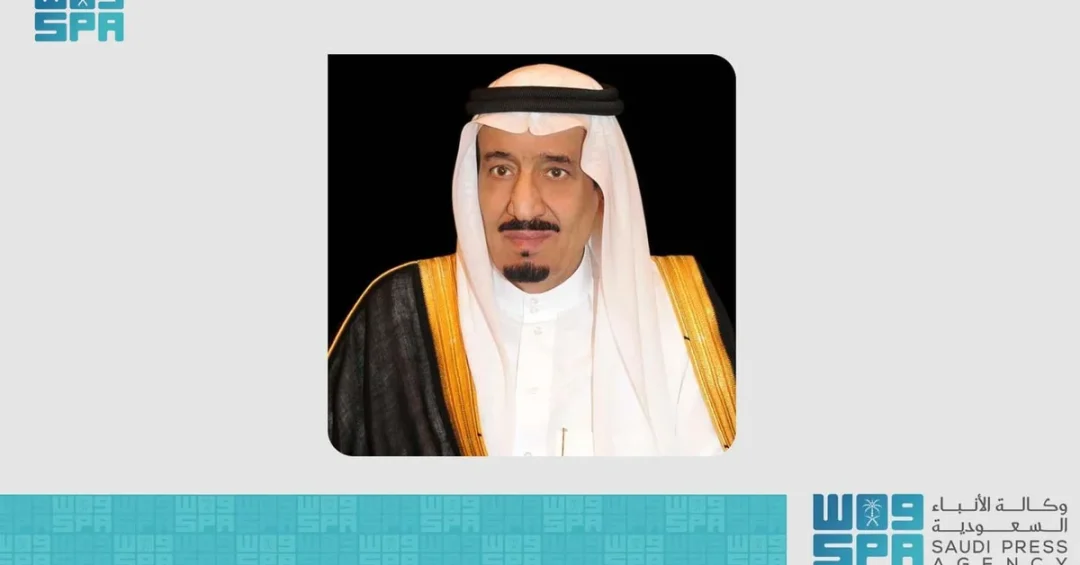
The Custodian of the Two Holy Mosques, King Salman bin Abdulaziz Al Saud, has approved the awarding of the King Abdulaziz Medal Third Class to 200 male and female citizens in recognition of their organ donation, as announced by the Saudi Press Agency (SPA). This royal honor celebrates a profound act of generosity that embodies the humanitarian values of Saudi society and supports the Kingdom’s healthcare objectives.
Context and Background
Organ donation is a life-saving medical procedure that relies on the altruism of donors. In Saudi Arabia, the Saudi Center for Organ Transplantation (SCOT) oversees organ donation and transplantation, ensuring adherence to ethical and medical standards. The King Abdulaziz Medal, named after the founder of modern Saudi Arabia, King Abdulaziz Al Saud, is awarded for distinguished service to the nation. This royal recognition underscores the importance of organ donation in saving lives and improving health outcomes.
Key Details
The medal, approved by King Salman, is granted to 200 citizens who donated a major organ. The recipients include both men and women, reflecting the broad participation across Saudi society. The Saudi Press Agency reported the approval, highlighting the Kingdom’s appreciation for these individuals’ selfless contributions. This initiative aligns with the directives of the Saudi leadership to promote a culture of giving and to enhance the healthcare sector.
Implications and Impact
This recognition is expected to encourage more citizens to consider organ donation, thereby increasing the availability of organs for transplantation and saving more lives. It also reinforces Saudi Arabia’s position as a compassionate and forward-thinking nation. The move supports the goals of Saudi Vision 2030 by fostering social responsibility and improving the quality of healthcare services. Internationally, it showcases the Kingdom’s commitment to humanitarian causes and medical excellence.
Vision 2030 Alignment
By honoring organ donors, Saudi Arabia advances the Vision 2030 objective of a vibrant society where citizens contribute to the well-being of others. This initiative complements ongoing healthcare reforms and promotes a culture of altruism, further solidifying the Kingdom’s global standing as a leader in humanitarian efforts.
20 Questions
Q1. Who approved the awarding of the King Abdulaziz Medal Third Class?
A1. The Custodian of the Two Holy Mosques, King Salman bin Abdulaziz Al Saud, approved the awarding of the medal.
Q2. How many citizens received the medal?
A2. A total of 200 male and female citizens were granted the medal.
Q3. What is the King Abdulaziz Medal Third Class?
A3. It is a prestigious national honor awarded for distinguished service to the Kingdom of Saudi Arabia.
Q4. Why were these citizens awarded the medal?
A4. They were awarded for donating one of their major organs, an act of exceptional generosity.
Q5. What is organ donation?
A5. Organ donation is the surgical removal of an organ from one person for transplantation into another.
Q6. Which agency oversees organ transplantation in Saudi Arabia?
A6. The Saudi Center for Organ Transplantation (SCOT) oversees organ donation and transplantation.
Q7. What is the significance of this royal recognition?
A7. It highlights the Kingdom’s appreciation for altruism and encourages more citizens to donate organs.
Q8. How does organ donation benefit society?
A8. It saves lives by providing organs to patients suffering from organ failure.
Q9. Who announced the royal approval?
A9. The Saudi Press Agency (SPA) announced the royal approval.
Q10. When was the approval granted?
A10. The approval was granted on May 26, 2024, as reported by SPA.
Q11. Are both men and women among the recipients?
A11. Yes, the recipients include both male and female citizens.
Q12. What organ did the donors donate?
A12. They donated one of their major organs, such as a kidney or part of the liver.
Q13. How does this align with Saudi Vision 2030?
A13. It promotes a vibrant society and enhances healthcare, key goals of Vision 2030.
Q14. What impact will this have on organ donation rates?
A14. It is expected to inspire more citizens to become organ donors, increasing donation rates.
Q15. Is organ donation common in Saudi Arabia?
A15. Organ donation is growing in Saudi Arabia, supported by SCOT and government initiatives.
Q16. What is the role of SCOT?
A16. SCOT regulates and coordinates organ donation and transplantation activities in the Kingdom.
Q17. How does this recognition reflect Saudi values?
A17. It reflects the values of generosity, compassion, and solidarity inherent in Saudi society.
Q18. Will this recognition encourage others to donate?
A18. Yes, by honoring donors, it sets an example and motivates others to follow suit.
Q19. What message does this send internationally?
A19. It showcases Saudi Arabia’s commitment to humanitarian causes and medical advancement.
Q20. How can one become an organ donor in Saudi Arabia?
A20. Individuals can register with SCOT or through approved healthcare facilities.
Reader Feedback
We value your thoughts. Please share your feedback on this article.
Your feedback helps us improve our coverage.