


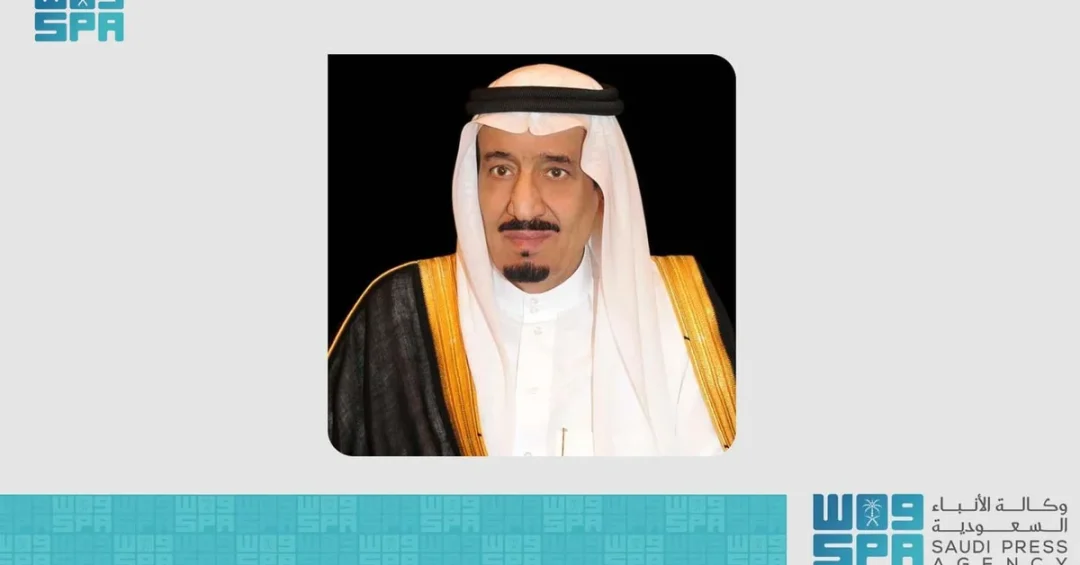
The Custodian of the Two Holy Mosques, King Salman bin Abdulaziz Al Saud, has approved the awarding of the King Abdulaziz Medal Third Class to 200 male and female citizens in recognition of their donation of a major organ, according to an official announcement released by the Saudi Press Agency (SPA) on July 18, 2024. The royal approval underscores the Kingdom’s deep appreciation for citizens who have demonstrated extraordinary altruism, selflessness, and a commitment to saving lives through organ donation. This recognition aligns with the humanitarian values championed by Saudi leadership and reflects the nation’s ongoing efforts to promote a culture of giving and social solidarity.
Context and Background
Organ donation in Saudi Arabia has gained significant momentum in recent years as part of the Kingdom’s broader healthcare transformation under Vision 2030. The Saudi Center for Organ Transplantation (SCOT) has been instrumental in facilitating donations, ensuring ethical practices, and raising public awareness about the life-saving impact of organ donation. The center operates under the supervision of the Ministry of Health and adheres to international standards, including the Declaration of Istanbul, which prohibits organ trafficking and transplant tourism.
The King Abdulaziz Medal, one of the Kingdom’s prestigious honors, is awarded to individuals who have made outstanding contributions to society. By bestowing this medal upon organ donors, the leadership sends a powerful message that altruism and civic responsibility are deeply valued. This initiative also encourages more citizens to consider organ donation, thereby addressing the growing demand for transplants and improving patient outcomes across the country.
Key Details
The 200 recipients—both men and women—each donated a major organ, such as a kidney, liver, or lung, to patients in need. Their contributions have not only saved lives but also inspired communities to embrace the spirit of giving. The medal ceremony, expected to be organized by the relevant authorities, will formally honor these individuals for their remarkable generosity. The Royal Court’s approval highlights the leadership’s personal commitment to recognizing acts of kindness that strengthen the social fabric of the Kingdom.
SCOT has reported a steady increase in organ donations over the past decade, thanks to improved public awareness campaigns, streamlined donation processes, and robust legal frameworks. The Saudi government has also invested in advanced transplant facilities, ensuring that recipients receive world-class care. This recognition is expected to further boost donation rates and reinforce trust in the national healthcare system.
Implications and Impact
The awarding of the King Abdulaziz Medal to organ donors carries profound implications for Saudi society and beyond. It elevates the status of organ donation as a national priority and a noble act that transcends individual benefit. By honoring these citizens, the Kingdom sets a benchmark for other nations in the region, demonstrating how leadership recognition can drive social change and save lives.
From a healthcare perspective, the initiative could lead to a surge in donor registrations, reducing waiting lists and improving survival rates for patients with end-stage organ failure. It also reinforces Saudi Arabia’s position as a leader in ethical medical practices and humanitarian efforts. Internationally, the move enhances the Kingdom’s reputation as a compassionate and forward-thinking nation, committed to the well-being of its people and others in need.
Vision 2030 Alignment
This royal approval is a testament to the Kingdom’s dedication to Vision 2030, which seeks to build a vibrant society, a thriving economy, and an ambitious nation. By promoting organ donation and recognizing donors, Saudi Arabia advances its health sector objectives, improves quality of life, and fosters a culture of generosity that is central to its national identity. As the Kingdom continues to modernize and diversify, such initiatives will remain pivotal in achieving sustainable development and global recognition.
20 Questions
Q1. Who approved the awarding of the King Abdulaziz Medal Third Class to 200 citizens?
A1. The Custodian of the Two Holy Mosques, King Salman bin Abdulaziz Al Saud, approved the awarding of the King Abdulaziz Medal Third Class to 200 citizens for organ donation, as announced by the Saudi Press Agency on July 18, 2024.
Q2. What is the King Abdulaziz Medal Third Class?
A2. The King Abdulaziz Medal Third Class is a prestigious national honor awarded by the Kingdom of Saudi Arabia to recognize outstanding contributions to society, including acts of heroism, humanitarian service, and civic responsibility.
Q3. Why were these 200 citizens awarded this medal?
A3. They were awarded for donating one of their major organs, such as a kidney or liver, to save the lives of patients in need. Their selfless acts exemplify the highest values of altruism and social solidarity.
Q4. How many citizens received the medal?
A4. A total of 200 male and female citizens received the King Abdulaziz Medal Third Class, as per the royal approval announced by the Saudi Press Agency on July 18, 2024.
Q5. When was this royal approval announced?
A5. The approval was announced on July 18, 2024, by the Saudi Press Agency, highlighting the Kingdom’s commitment to honoring citizens who make extraordinary sacrifices for others.
Q6. What is the significance of organ donation in Saudi Arabia?
A6. Organ donation is a critical component of Saudi Arabia’s healthcare system, saving lives and improving patient outcomes. It reflects the Kingdom’s humanitarian values and is supported by national strategies under Vision 2030.
Q7. Which organization oversees organ transplantation in Saudi Arabia?
A7. The Saudi Center for Organ Transplantation (SCOT) oversees organ donation and transplantation, ensuring ethical practices, maintaining a national registry, and raising public awareness about the importance of donation.
Q8. How does this recognition align with Vision 2030?
A8. It aligns with Vision 2030 by promoting a vibrant society, enhancing healthcare outcomes, and fostering a culture of generosity. It also supports the goal of improving quality of life for all citizens.
Q9. What types of organs were donated by these citizens?
A9. The citizens donated major organs such as kidneys, livers, or lungs. These donations are typically performed through living or deceased donor programs coordinated by the Saudi Center for Organ Transplantation.
Q10. How does organ donation affect patients in Saudi Arabia?
A10. Organ donation saves lives, reduces waiting lists, and improves survival rates for patients with end-stage organ failure. It also enhances the overall effectiveness of the national healthcare system.
Q11. What is the role of the Saudi Press Agency in this announcement?
A11. The Saudi Press Agency (SPA) is the official news agency of Saudi Arabia. It released the announcement of the royal approval, ensuring accurate and timely dissemination of information to the public.
Q12. Will there be a formal ceremony to honor these citizens?
A12. Yes, a formal ceremony is expected to be organized by relevant authorities to present the medals. The exact date and venue will be announced in due course, celebrating the donors’ remarkable contributions.
Q13. How does this initiative encourage more organ donation?
A13. By publicly honoring donors with a prestigious medal, the initiative inspires others to consider organ donation. It raises awareness and demonstrates the leadership’s appreciation for acts of kindness, potentially increasing donor registrations.
Q14. What legal framework supports organ donation in Saudi Arabia?
A14. Organ donation in Saudi Arabia is governed by national laws and regulations that align with international ethical standards, including the Declaration of Istanbul, which prohibits organ trafficking and ensures voluntary, altruistic donations.
Q15. How does organ donation reflect Saudi culture and values?
A15. Organ donation reflects the Islamic principles of saving lives and charity, as well as the Saudi cultural values of generosity, compassion, and social responsibility. It is highly encouraged and respected in the Kingdom.
Q16. What impact does this recognition have on the international community?
A16. It enhances Saudi Arabia’s reputation as a humanitarian leader and showcases its commitment to ethical medical practices. Other nations may look to the Kingdom’s model for recognizing organ donors.
Q17. How can citizens register as organ donors in Saudi Arabia?
A17. Citizens can register through the Saudi Center for Organ Transplantation’s website or via approved healthcare facilities. The process is simple, confidential, and aligned with national guidelines.
Q18. What are the eligibility criteria for receiving the King Abdulaziz Medal?
A18. The medal is awarded to individuals who have demonstrated exceptional service, bravery, or contributions to society. For organ donors, the criterion is the donation of a major organ to save another’s life.
Q19. How does this initiative support Saudi Arabia’s healthcare goals?
A19. It promotes organ donation, which is essential for reducing waiting lists and improving transplant outcomes. This supports the broader healthcare objectives of Vision 2030, including enhanced quality of care and patient well-being.
Q20. What message does this royal approval send to Saudi society?
A20. It sends a powerful message that altruism, sacrifice, and saving lives are deeply valued by the leadership. It encourages a culture of giving and reinforces social solidarity, inspiring citizens to contribute positively to their communities.
Reader Feedback
We value your thoughts. Please share your feedback on this article.
Your feedback helps us improve our coverage.