


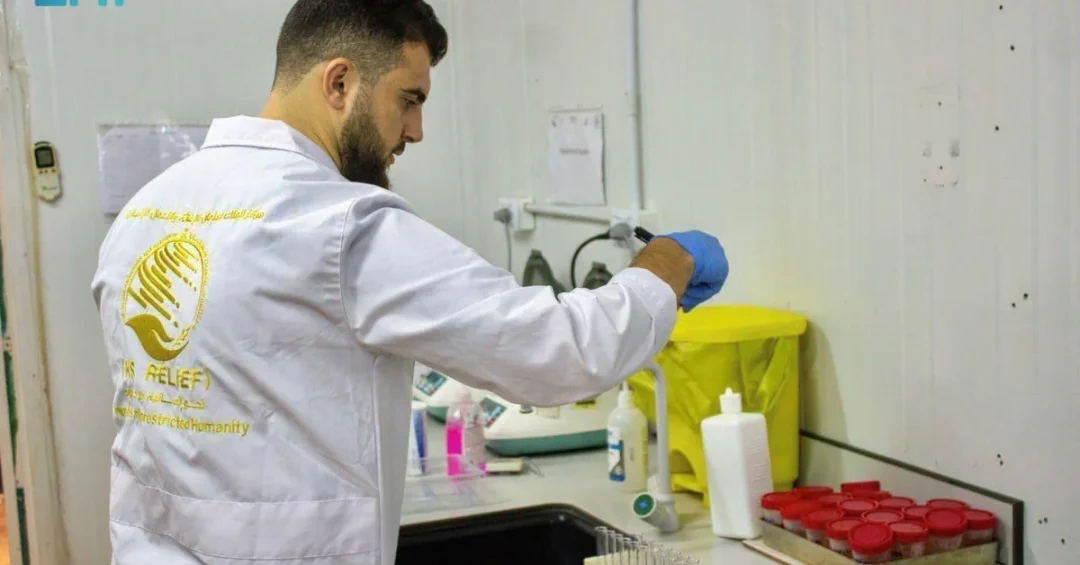
The King Salman Humanitarian Aid and Relief Center (KSrelief) provided essential medical services to 2,301 patients at its clinics in the Zaatari Camp for Syrian Refugees in Jordan during the second week of August 2024, according to the Saudi Press Agency (SPA). The week-long medical campaign, conducted through KSrelief’s specialized clinics, addressed a wide range of health needs, from chronic disease management to emergency care, underscoring the Kingdom’s ongoing commitment to alleviating the suffering of refugees and supporting host communities.
Context and Background
The Zaatari Camp, located near Mafraq in northern Jordan, is one of the largest refugee camps in the world, hosting tens of thousands of Syrian refugees who fled the conflict in their homeland. Established in 2012, the camp has grown into a temporary city with schools, markets, and medical facilities, many of which rely on international aid. KSrelief, a Saudi government agency established in 2015 under the leadership of Custodian of the Two Holy Mosques King Salman bin Abdulaziz Al Saud, has been a key provider of humanitarian assistance in the camp, delivering food, shelter, education, and healthcare. The medical services reported for the second week of August 2024 reflect KSrelief’s sustained efforts to meet the health needs of this vulnerable population, which often lacks access to adequate medical care.
Key Details
During the week, KSrelief’s general medicine clinics attended to 338 patients, offering consultations and dispensing necessary medications. The internal medicine clinic treated 134 patients suffering from chronic conditions such as diabetes, high blood pressure, and asthma. Pediatric care was provided to 254 children, while the emergency department handled 272 cases, demonstrating the clinics’ capacity to respond to urgent health issues. Additionally, 138 patients visited the dental clinic for various treatments.
The women’s clinic served 198 patients, and the ENT clinic provided care for 60 individuals dealing with sinusitis, pharyngitis, tonsillitis, and middle ear infections. The eye clinic treated 84 patients, and the diagnostic radiology clinic conducted 20 imaging sessions. Laboratory services were in high demand, with 956 tests performed for 338 patients. The radiology department conducted 106 X-rays for 67 patients, and the vaccination clinic administered 184 vaccines to 65 individuals. Medications for chronic diseases were provided to 267 patients. Furthermore, the health education department reached 66 beneficiaries, and the pharmacy registered 1,294 prescriptions during the week.
Implications and Impact
The provision of these medical services has a profound impact on the health and well-being of Syrian refugees in Zaatari Camp. By addressing both acute and chronic health conditions, KSrelief helps reduce morbidity and mortality among a population that has endured years of displacement and hardship. The focus on chronic diseases is particularly important, as conditions like diabetes and hypertension require ongoing management to prevent complications. The vaccination clinic’s work also helps prevent outbreaks of communicable diseases, safeguarding not only refugees but also the surrounding Jordanian community. Moreover, the health education component empowers refugees with knowledge to improve their own health practices, creating a sustainable impact beyond immediate treatment.
This medical campaign is part of Saudi Arabia’s broader humanitarian efforts, which are guided by the principles of compassion and solidarity. It also strengthens the Kingdom’s ties with Jordan, a neighboring country that has generously hosted Syrian refugees for over a decade. The international community has repeatedly acknowledged KSrelief’s role in providing life-saving assistance, and this latest initiative further cements Saudi Arabia’s reputation as a global humanitarian leader.
Vision 2030 Alignment
Saudi Arabia’s humanitarian work, including the medical services provided in Zaatari Camp, aligns closely with the goals of Vision 2030, the Kingdom’s comprehensive plan for economic and social transformation. Vision 2030 emphasizes the importance of international cooperation and humanitarian aid as part of Saudi Arabia’s commitment to global stability and prosperity. Through KSrelief, the Kingdom demonstrates its dedication to alleviating human suffering and contributing to a more peaceful and healthy world. This initiative not only reflects the values of Saudi society but also enhances the Kingdom’s soft power and standing on the global stage, reinforcing its role as a responsible and compassionate leader in the region and beyond.
20 Questions
Q1. What organization provided medical services in Zaatari Camp?
A1. The King Salman Humanitarian Aid and Relief Center (KSrelief) provided the medical services. KSrelief is a Saudi government agency dedicated to delivering humanitarian aid worldwide.
Q2. How many patients received medical services during the week?
A2. Over 2,300 patients, specifically 2,301, received medical services from KSrelief clinics in Zaatari Camp during the second week of August 2024.
Q3. Where is Zaatari Camp located?
A3. Zaatari Camp is located in Jordan, near the city of Mafraq. It is one of the largest camps for Syrian refugees in the world.
Q4. What types of clinics were available in the camp?
A4. Clinics included general medicine, internal medicine, pediatrics, emergency, dental, women’s health, ENT, eye, diagnostic radiology, laboratory, vaccination, and pharmacy services.
Q5. How many patients visited the general medicine clinics?
A5. The general medicine clinics attended to 338 patients during the week, providing consultations and necessary medications to those in need.
Q6. What chronic conditions were treated at the internal medicine clinic?
A6. The internal medicine clinic treated 134 patients suffering from chronic conditions such as diabetes, high blood pressure, and asthma.
Q7. How many children received pediatric care?
A7. The pediatric clinic saw 254 children during the week, offering essential medical care to young refugees in the camp.
Q8. How many emergency cases were handled?
A8. The emergency department handled 272 cases, demonstrating the clinics’ readiness to respond to urgent medical needs.
Q9. How many patients visited the dental clinic?
A9. The dental clinic provided treatment to 138 patients, addressing various dental health issues.
Q10. How many women were served at the women’s clinic?
A10. The women’s clinic served 198 patients, offering specialized healthcare services tailored to women’s needs.
Q11. What ear, nose, and throat conditions were treated?
A11. The ENT clinic treated 60 individuals for conditions such as sinusitis, pharyngitis, tonsillitis, and middle ear infections.
Q12. How many patients received eye care?
A12. The eye clinic treated 84 patients, providing essential ophthalmology services to address vision problems and eye diseases.
Q13. How many laboratory tests were performed?
A13. Laboratory services conducted 956 tests for 338 patients, aiding in the diagnosis and monitoring of various health conditions.
Q14. How many X-rays were conducted?
A14. The radiology department conducted 106 X-rays for 67 patients, supporting accurate diagnosis and treatment planning.
Q15. How many vaccines were administered?
A15. The vaccination clinic administered 184 vaccines to 65 individuals, helping to prevent the spread of infectious diseases.
Q16. Were medications provided for chronic diseases?
A16. Yes, medications for chronic diseases were provided to 267 patients, ensuring continuity of care for those with long-term health conditions.
Q17. What was the role of the health education department?
A17. The health education department reached 66 beneficiaries, providing knowledge and guidance to improve health practices and awareness among refugees.
Q18. How many prescriptions were filled by the pharmacy?
A18. The pharmacy registered 1,294 prescriptions during the week, supplying necessary medications to patients treated at the clinics.
Q19. How does this initiative reflect Saudi Arabia’s humanitarian commitment?
A19. It demonstrates Saudi Arabia’s ongoing dedication to alleviating the suffering of refugees and supporting host communities, in line with its humanitarian values and international responsibilities.
Q20. How does this medical campaign align with Vision 2030?
A20. The campaign aligns with Vision 2030 by promoting international cooperation and humanitarian aid, enhancing Saudi Arabia’s global standing and contributing to a more stable and prosperous world.
Reader Feedback
We value your thoughts. Please share your feedback on this article.
Your feedback helps us improve our coverage.