


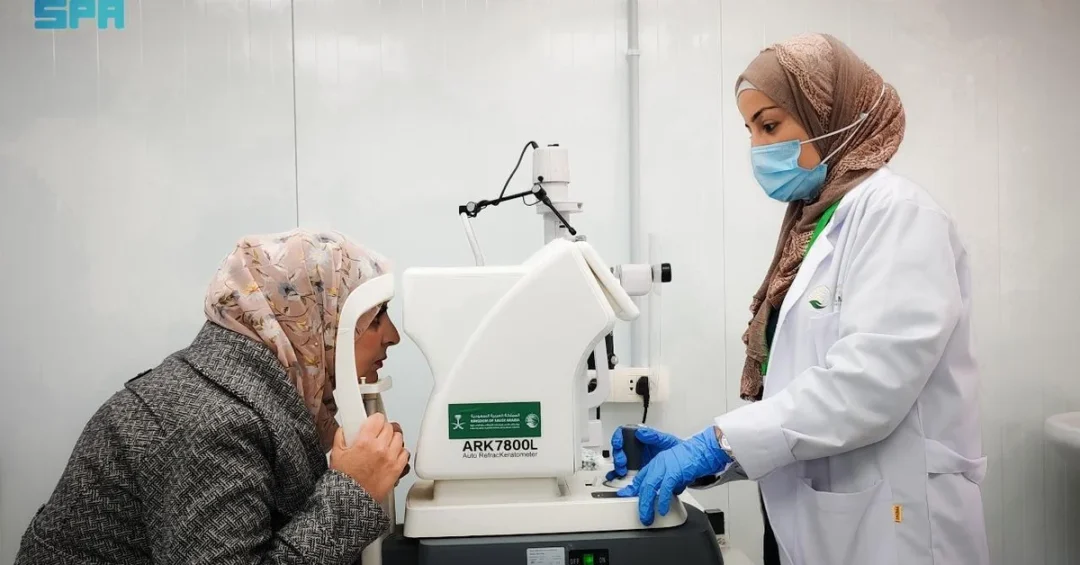
The King Salman Humanitarian Aid and Relief Center (KSrelief) clinics provided healthcare services to 2,606 Syrian refugees in Jordan’s Zaatari Camp during the fourth week of February 2025, according to the Saudi Press Agency. The medical outreach, carried out through KSrelief’s specialized clinics, addressed a wide spectrum of health needs, ranging from general medicine and pediatric care to dental, women’s health, and rehabilitation services.
Context and Background
KSrelief, established in 2015 by royal decree under the leadership of King Salman bin Abdulaziz Al Saud, is Saudi Arabia’s primary humanitarian aid agency. It operates in over 80 countries, delivering food, medical care, and emergency relief to populations affected by conflict and natural disasters. The Zaatari Camp, located in northern Jordan near the Syrian border, is one of the largest refugee camps in the world, hosting thousands of Syrians displaced by the ongoing Syrian conflict. Since its opening in 2012, the camp has relied on international support, with Saudi Arabia consistently among the largest donors. The KSrelief clinics in Zaatari represent a sustained commitment to providing essential healthcare to refugees, complementing broader humanitarian efforts led by the United Nations and other partners.
Key Details
During the fourth week of February 2025, the KSrelief clinics recorded a total of 2,606 patient visits. General medicine clinics treated 793 patients, while the internal medicine clinic attended to 113 patients with chronic conditions such as diabetes, high blood pressure, and asthma. Pediatric clinics received 257 children, and dental clinics treated 183 patients. Women’s clinics provided care for 231 patients, and the ear, nose, and throat clinic handled 70 cases, including sinusitis, pharynx, tonsil, and middle ear infections. Additionally, the ophthalmology clinic treated 66 patients, the cardiology clinic examined 31 patients, and the diagnostic radiology clinic provided imaging services to 33 patients. The dermatology clinic cared for 59 patients, and the rehabilitation medicine clinic received 55 cases requiring physical therapy and specialized care. These services are part of KSrelief’s ongoing medical program in the camp, which operates regularly to address both acute and chronic health issues.
Implications and Impact
The provision of these medical services has significant implications for the health and well-being of Syrian refugees in Zaatari Camp, many of whom have limited access to affordable healthcare. By addressing a broad range of medical needs, KSrelief helps reduce the burden on Jordan’s healthcare system and contributes to regional stability. This initiative also reinforces Saudi Arabia’s role as a leading humanitarian donor, demonstrating its commitment to alleviating suffering and supporting vulnerable populations. Furthermore, the data from these clinics provides valuable insights into the health challenges faced by refugees, informing future aid strategies. The continuity of such services is vital for maintaining the health of camp residents, particularly children, women, and the elderly, who are often most at risk.
Vision 2030 Alignment
This humanitarian effort aligns with Saudi Vision 2030’s emphasis on global engagement and social responsibility. Under Vision 2030, Saudi Arabia seeks to strengthen its international partnerships and contribute to sustainable development, including through humanitarian aid. KSrelief’s work in Zaatari Camp reflects the Kingdom’s dedication to improving lives beyond its borders and supporting stability in the region. As Saudi Arabia continues to expand its humanitarian reach, initiatives like this underscore its role as a responsible global actor and a champion of compassion and solidarity.
20 Questions
Q1. What is KSrelief?
A1. KSrelief, or the King Salman Humanitarian Aid and Relief Center, is a Saudi humanitarian organization established in 2015 to provide international aid, including medical services, disaster relief, and food assistance to communities in need worldwide.
Q2. Where is Zaatari Camp located?
A2. Zaatari Camp is located in northern Jordan, near the border with Syria. It is one of the largest camps for Syrian refugees and has been operational since 2012, hosting thousands of displaced individuals.
Q3. How many patients received care from KSrelief clinics in Zaatari Camp during the fourth week of February 2025?
A3. A total of 2,606 patients received healthcare services from KSrelief clinics during that week, covering various medical specialties and addressing both acute and chronic health conditions.
Q4. What types of clinics are operated by KSrelief in Zaatari Camp?
A4. KSrelief operates general medicine, internal medicine, pediatric, dental, women’s health, ear-nose-throat, ophthalmology, cardiology, diagnostic radiology, dermatology, and rehabilitation medicine clinics within the camp.
Q5. How many patients were treated in the general medicine clinics?
A5. The general medicine clinics treated 793 patients during the fourth week of February 2025, making it the most utilized service among the KSrelief clinics in Zaatari Camp.
Q6. What chronic conditions were addressed by the internal medicine clinic?
A6. The internal medicine clinic attended to 113 patients with diabetes, high blood pressure, and asthma, providing essential management and treatment for these non-communicable diseases prevalent among refugees.
Q7. How many children received care from pediatric clinics?
A7. Pediatric clinics received 257 children, offering specialized medical attention to address the health needs of this vulnerable demographic within the refugee community.
Q8. What services did the dental clinics provide?
A8. Dental clinics treated 183 patients, offering dental care that includes examinations, treatments, and preventive services to maintain oral health among camp residents.
Q9. How many patients visited the women’s clinics?
A9. The women’s clinics provided care for 231 patients, addressing a range of health concerns specific to women’s health and well-being in the refugee camp setting.
Q10. What ENT cases were handled by the ear, nose, and throat clinic?
A10. The ear, nose, and throat clinic handled 70 cases, including sinusitis, pharynx, tonsil, and middle ear infections, providing diagnosis and treatment for these common conditions.
Q11. How many patients were treated by the ophthalmology clinic?
A11. The ophthalmology clinic treated 66 patients, offering eye care services such as vision testing, treatment of eye diseases, and prescription of corrective lenses as needed.
Q12. What did the cardiology clinic do?
A12. The cardiology clinic examined 31 patients, performing cardiac assessments and providing management for heart-related conditions to ensure cardiovascular health among refugees.
Q13. How many patients received diagnostic radiology services?
A13. The diagnostic radiology clinic provided imaging services to 33 patients, using techniques like X-rays and ultrasounds to aid in the diagnosis and treatment of various medical conditions.
Q14. What skin conditions were treated by the dermatology clinic?
A14. The dermatology clinic cared for 59 patients, addressing skin conditions such as infections, rashes, and chronic skin diseases, which are common in camp environments.
Q15. How many cases were seen by the rehabilitation medicine clinic?
A15. The rehabilitation medicine clinic received 55 cases in need of physical therapy and specialized care, helping patients recover from injuries or manage chronic disabilities.
Q16. Why is KSrelief’s work in Zaatari Camp important?
A16. KSrelief’s work provides essential healthcare to Syrian refugees who may lack access to medical services, reducing suffering and supporting the overall well-being and stability of the refugee population in Jordan.
Q17. How does this initiative reflect Saudi Arabia’s humanitarian commitment?
A17. It demonstrates Saudi Arabia’s ongoing dedication to global humanitarian efforts, showcasing its role as a leading donor and its commitment to alleviating the plight of refugees and vulnerable communities.
Q18. What is the significance of the Zaatari Camp in the context of the Syrian crisis?
A18. Zaatari Camp is a symbol of the international response to the Syrian refugee crisis, hosting tens of thousands of displaced Syrians and serving as a hub for humanitarian operations in the region.
Q19. How does this effort align with Saudi Vision 2030?
A19. It aligns with Vision 2030’s focus on global engagement and social responsibility, reinforcing Saudi Arabia’s commitment to international partnerships and sustainable development through humanitarian aid.
Q20. What impact does KSrelief’s medical aid have on the refugees?
A20. The medical aid improves health outcomes, prevents disease spread, and enhances the quality of life for refugees, offering them hope and dignity while reducing the burden on local healthcare infrastructure.
Reader Feedback
We value your thoughts. Please share your feedback on this article.
Your feedback helps us improve our coverage.