


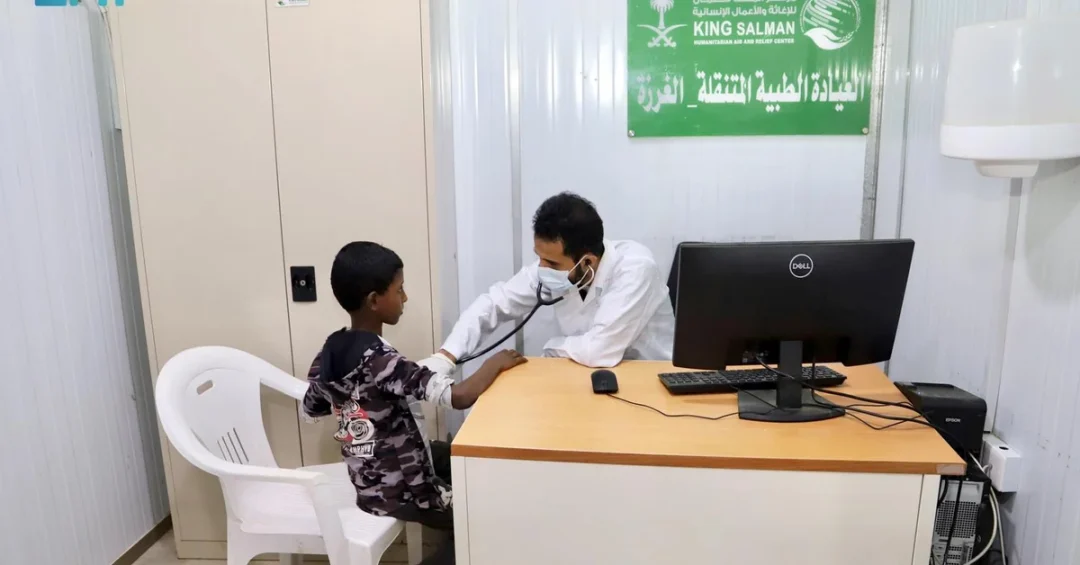
The King Salman Humanitarian Aid and Relief Center (KSrelief) mobile clinics in Al-Gharza area of Haradh District, Hajjah Governorate, Yemen, provided comprehensive medical services to 352 individuals from July 10 to 16, 2024. This deployment underscores Saudi Arabia’s ongoing humanitarian commitment to supporting affected populations in Yemen through accessible, high-quality healthcare.
Context and Background
The mobile clinic initiative by KSrelief is part of a broader humanitarian strategy to deliver essential medical care to remote and underserved communities in Yemen. Haradh District, located in Hajjah Governorate, faces significant healthcare access challenges due to conflict and limited infrastructure. KSrelief, the humanitarian arm of the Kingdom of Saudi Arabia, regularly operates mobile clinics to bridge these gaps and provide urgent medical attention.
Key Details
During the reporting week, KSrelief’s emergency clinic attended to 214 patients, while the infectious-diseases clinic served 75 individuals. The internal-medicine clinic treated 59 cases, and the reproductive health clinic and education and awareness clinic each reported two visits. Additionally, the nursing services department managed 193 patient consultations, and medications were dispensed to 350 individuals. The surgery and dressing clinic handled seven cases, and two waste disposal activities were conducted to maintain hygiene standards.
Implications
These services directly address critical health needs in one of Yemen’s most vulnerable regions. By delivering emergency care, managing infectious diseases, and providing reproductive health support, KSrelief contributes to reducing mortality and improving overall well-being. The data highlight the high demand for primary care and the importance of sustained humanitarian logistics in conflict zones.
Vision 2030 Alignment
The medical relief efforts in Yemen align with Saudi Arabia’s commitment under Vision 2030 to enhance humanitarian impact globally. KSrelief’s operations exemplify the Kingdom’s leadership in international aid, promoting stability and health security in the region while reinforcing Saudi Arabia’s role as a responsible global partner.
20 Questions
Q1. What is KSrelief?
A1. KSrelief, or the King Salman Humanitarian Aid and Relief Center, is the humanitarian aid agency of Saudi Arabia. It coordinates and delivers relief programs worldwide.
Q2. Where were the mobile clinics deployed?
A2. The mobile clinics operated in Al-Gharza area of Haradh District, Hajjah Governorate, Yemen, serving a community with limited access to healthcare.
Q3. How many individuals received medical services?
A3. The clinics provided services to 352 individuals from July 10 to 16, 2024, addressing a range of health needs.
Q4. Which clinic treated the most patients?
A4. The emergency clinic saw the highest number at 214 patients, indicating urgent care demands in the area.
Q5. What is the role of the infectious-diseases clinic?
A5. The infectious-diseases clinic managed 75 cases, helping to control outbreaks and treat infections like cholera or malaria.
Q6. How many patients visited the internal-medicine clinic?
A6. The internal-medicine clinic attended to 59 individuals for non-surgical, chronic, or acute medical conditions.
Q7. What services did the reproductive health clinic provide?
A7. The reproductive health clinic offered care for maternal and women’s health, serving two cases during the period.
Q8. Why is the education and awareness clinic important?
A8. This clinic provides health education to prevent diseases and promote wellness, with two visits recorded.
Q9. How many patients used the nursing services department?
A9. The nursing services department saw 193 patients, offering triage, wound care, and other nursing support.
Q10. Were medications distributed?
A10. Yes, medications were dispensed to 350 individuals, ensuring essential treatments reached a majority of visitors.
Q11. What happened at the surgery and dressing clinic?
A11. The surgery and dressing clinic treated seven cases requiring minor surgical procedures or wound dressings.
Q12. Were waste disposal activities conducted?
A12. Two waste disposal activities were carried out to maintain hygiene and prevent environmental health risks.
Q13. How does KSrelief support Yemen?
A13. KSrelief runs mobile clinics, distributes food, and provides healthcare across Yemen, aiding millions through sustained humanitarian programs.
Q14. Is Haradh District a conflict zone?
A14. Haradh District has experienced conflict-related disruptions, making mobile clinics crucial for reaching underserved populations.
Q15. What is Vision 2030’s role?
A15. Vision 2030 guides Saudi Arabia’s global humanitarian engagement, including KSrelief’s missions to promote health and stability.
Q16. How does KSrelief select clinic locations?
A16. KSrelief assesses needs via coordination with local authorities and UN agencies to target areas with limited health access.
Q17. Are these clinics staffed by Saudis?
A17. Yes, KSrelief deploys Saudi medical teams along with local staff to ensure culturally appropriate and effective care.
Q18. How often do the clinics operate?
A18. The clinics run weekly cycles, with regular deployments to provide continuous care in high-need areas like Haradh.
Q19. Who funded this clinic operation?
A19. Funding comes from the Kingdom of Saudi Arabia through KSrelief, part of its broader humanitarian budget.
Q20. What broader impact does this have on Yemen?
A20. These services save lives, reduce disease spread, and build trust in humanitarian aid, supporting long-term recovery efforts.
Reader Feedback
We value your thoughts. Please share your feedback on this article.
Your feedback helps us improve our coverage.