


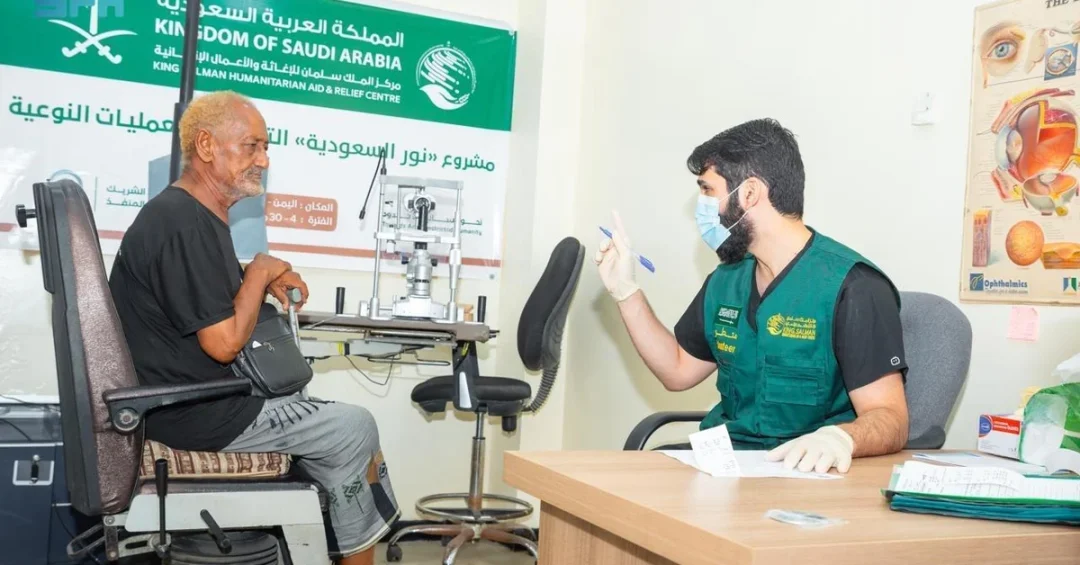
On May 9, 2024, the King Salman Humanitarian Aid and Relief Center (KSrelief) inaugurated the Saudi Noor Volunteer Program in Mukalla District, Hadramaut Governorate, Yemen, to combat blindness and associated eye diseases. The month-long initiative, running from May 4 to 30, involves eight volunteers from various medical specialties who are providing essential eye care services to the local population.
Context and Background
Yemen has faced significant challenges in its healthcare infrastructure due to years of conflict, leaving many residents without access to specialized medical care. The Saudi Noor Volunteer Program addresses this critical gap by bringing expert ophthalmologists and support staff directly to underserved communities. This mission is part of a broader series of volunteer medical programs led by the Kingdom of Saudi Arabia through KSrelief, its humanitarian arm, aimed at alleviating suffering and improving health outcomes in low-income countries.
Key Details
Since the campaign’s launch, the KSrelief team has already demonstrated remarkable progress. According to the Saudi Press Agency (SPA), the team has performed 12 surgeries to remove glaucoma, 97 cataract surgeries, three eye-socket procedures, and 17 minor surgeries. These interventions are life-changing for patients, restoring sight and preventing further vision loss. The program’s volunteers come from diverse medical specialties, ensuring comprehensive care that includes pre-operative assessments, surgical procedures, and post-operative follow-ups.
Implications and Impact
The impact of the Saudi Noor Volunteer Program extends beyond immediate surgical care. For the people of Hadramaut, it means restored vision, improved quality of life, and renewed hope. The program also alleviates the burden on local healthcare facilities, many of which are under-resourced. Regionally, it reinforces Saudi Arabia’s ongoing commitment to humanitarian assistance in Yemen, a country where such support is vital. By addressing preventable blindness, the initiative contributes to the United Nations Sustainable Development Goals, particularly Goal 3 (Good Health and Well-being).
Vision 2030 Alignment
This humanitarian endeavor underscores Saudi Arabia’s role as a global leader in aid and development, fully aligned with Vision 2030’s objectives of international engagement and solidarity. The Kingdom, under the leadership of King Salman and Crown Prince Mohammed bin Salman, continues to prioritize humanitarian action as a core pillar of its foreign policy. Through initiatives like the Saudi Noor Volunteer Program, Saudi Arabia not only fulfills its moral obligations but also enhances its standing as a compassionate and responsible global citizen.
20 Questions
Q1. What is the Saudi Noor Volunteer Program?
A1. The Saudi Noor Volunteer Program is an initiative by KSrelief, Saudi Arabia’s humanitarian arm, to combat blindness and eye diseases in low-income countries. The current campaign in Yemen’s Hadramaut Governorate provides surgical and medical eye care to local residents.
Q2. Who launched the Saudi Noor Volunteer Program in Hadramaut?
A2. The King Salman Humanitarian Aid and Relief Center (KSrelief) launched the program. KSrelief is the Kingdom of Saudi Arabia’s official humanitarian organization overseeing global aid efforts.
Q3. When did the program commence in Hadramaut?
A3. The program was inaugurated on May 9, 2024, according to an SPA report. The campaign itself is scheduled to run from May 4 to May 30, 2024.
Q4. Where is the program being held?
A4. The program is taking place in the Mukalla District of Yemen’s Hadramaut Governorate. Mukalla is the largest city in Hadramaut and serves as the region’s administrative center.
Q5. How many volunteers are participating in this program?
A5. Eight volunteers from various medical specialties are participating in the campaign. They include ophthalmologists, surgeons, and support medical staff who are dedicated to restoring sight.
Q6. What have been the initial results of the program?
A6. Since the campaign’s start, the KSrelief team has performed 12 glaucoma surgeries, 97 cataract surgeries, 3 eye-socket surgeries, and 17 minor surgeries, as reported by SPA.
Q7. What types of surgeries are being performed?
A7. The team is performing surgeries to treat glaucoma, cataracts, and other eye conditions. Additionally, minor surgeries are being conducted to address various eye-related issues among the local population.
Q8. Why is this program important for Yemen?
A8. Yemen’s healthcare system has been severely impacted by conflict. This program provides essential eye care to individuals who otherwise lack access to specialized treatment, preventing blindness and improving their quality of life.
Q9. How does KSrelief select the countries for such programs?
A9. KSrelief assesses needs based on humanitarian priorities, often focusing on low-income or conflict-affected areas. Yemen has been a major recipient because of the widespread need for medical assistance, including eye care.
Q10. What is the significance of the program’s name ‘Noor’?
A10. ‘Noor’ means ‘light’ in Arabic, symbolizing the gift of sight. It reflects the program’s goal to bring light back into the lives of those suffering from blindness and visual impairments.
Q11. Are these programs a regular occurrence?
A11. Yes, the Saudi Noor Volunteer Program is an extension of ongoing volunteer medical programs by KSrelief. Similar campaigns have been conducted in other countries, demonstrating Saudi Arabia’s sustained humanitarian commitment.
Q12. What is the role of volunteers in these missions?
A12. Volunteers perform surgeries, conduct medical examinations, and provide post-operative care. Their expertise allows KSrelief to deliver comprehensive eye care services in regions with limited medical facilities.
Q13. How does this program support Vision 2030?
A13. Vision 2030 emphasizes international solidarity and humanitarian action. This program strengthens Saudi Arabia’s global role, showcases its commitment to helping others, and promotes a positive image of the Kingdom.
Q14. What other medical programs has KSrelief initiated in Yemen?
A14. KSrelief has implemented numerous health projects in Yemen, including mobile clinics, nutritional support, and disease control programs. The Noor program is one of many efforts addressing specific health crises.
Q15. How does the program benefit the local healthcare system?
A15. By treating hundreds of patients, the program reduces the burden on local hospitals. Additionally, it may provide training opportunities and transfer knowledge to local medical staff, enhancing long-term capacity.
Q16. What are the eligibility criteria for patients?
A16. Patients are typically screened by the medical team to identify those with operable eye conditions such as cataracts and glaucoma. Priority is given to the most severe cases that can be treated safely in the field setting.
Q17. Is there any follow-up care provided?
A17. While the program focuses on surgical intervention, postoperative care is crucial. The team advises patients on recovery and may schedule follow-up visits within the program’s duration, ensuring proper healing.
Q18. What is the source of funding for this program?
A18. The program is funded by the Kingdom of Saudi Arabia through KSrelief, which is fully financed by the Saudi government. It reflects the Kingdom’s dedication to using its resources for humanitarian causes worldwide.
Q19. How can other countries benefit from similar initiatives?
A19. Countries with significant eye health issues can request assistance or be identified by KSrelief based on need. The success of programs like this encourages cooperation and often leads to future collaborations.
Q20. What is the expected outcome of the entire campaign?
A20. By the end of May 30, the campaign aims to perform numerous additional surgeries, restoring sight for hundreds more individuals. The ultimate outcome is a decrease in preventable blindness in Hadramaut and an improved quality of life for its residents.
Reader Feedback
We value your thoughts. Please share your feedback on this article.
Your feedback helps us improve our coverage.