


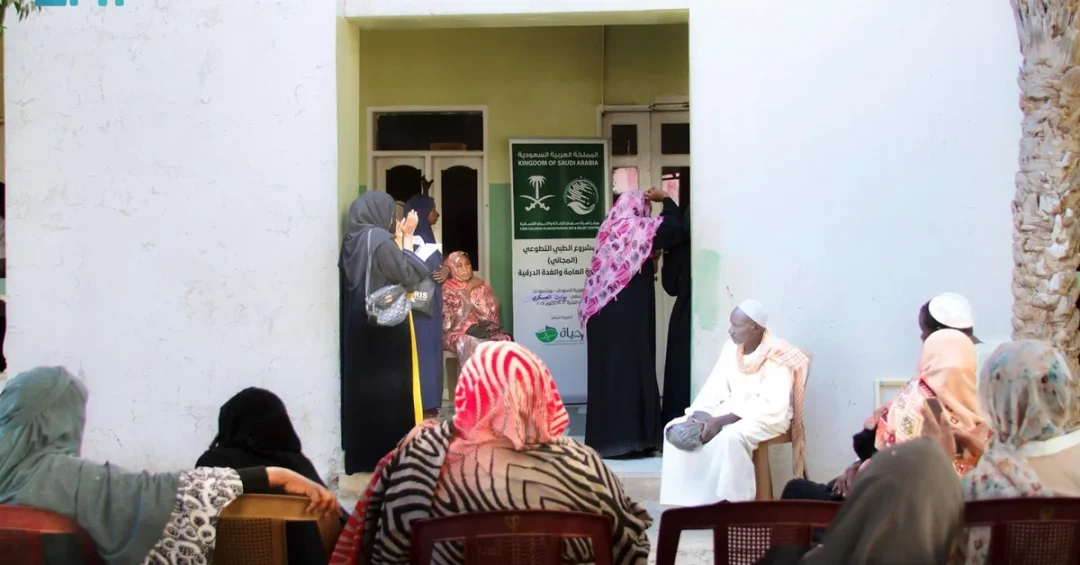
KSrelief concluded a volunteer medical project for general and thyroid surgery in Port Sudan, Sudan, on Saturday, October 19, 2024, after performing 39 specialized thyroid surgeries and providing essential medical care to underserved communities. The campaign, which ran from October 12 to 19, was carried out by a team of 15 medical professionals from various specialties, according to the Saudi Press Agency (SPA). This initiative underscores the Kingdom of Saudi Arabia’s unwavering commitment to global humanitarian efforts, led by the King Salman Humanitarian Aid and Relief Center (KSrelief), to support low-income families and improve healthcare access in developing nations.
Why does this medical mission matter so much for the people of Port Sudan? The project is part of Saudi Arabia’s broader volunteer medical program that addresses critical health gaps in countries facing economic and infrastructural challenges. By sending specialized teams, KSrelief not only treats immediate conditions but also builds local capacity and fosters goodwill. The successful completion of this campaign highlights the Kingdom’s leadership in humanitarian aid, reflecting its dedication to alleviating suffering and promoting health equity worldwide, in line with its Vision 2030 goals of global engagement and sustainable development.
Context and Background
What drives Saudi Arabia to extend its medical expertise to nations like Sudan? The King Salman Humanitarian Aid and Relief Center (KSrelief) has a long-standing history of implementing volunteer medical projects across the globe, focusing on regions with limited access to specialized healthcare. Established in 2015, KSrelief operates under the directive of the Custodian of the Two Holy Mosques, King Salman bin Abdulaziz Al Saud, and is chaired by Dr. Abdullah bin Abdulaziz Al Rabeeah, who also serves as the Supervisor General of the center. The organization’s mission is to provide aid and relief to those in need, regardless of nationality, religion, or ethnicity, and it has become a cornerstone of Saudi Arabia’s foreign policy and soft power strategy.
Port Sudan, a key port city on the Red Sea, has faced significant challenges due to economic instability and inadequate healthcare infrastructure. The volunteer medical project for general and thyroid surgery was specifically designed to address these gaps by offering free, high-quality surgical interventions. From October 12 to 19, 2024, the KSrelief team worked tirelessly to perform 39 thyroid surgeries, which are often prohibitively expensive and inaccessible for low-income families. This initiative is not isolated; it is part of a series of ongoing volunteer medical projects that the Kingdom implements in several countries, demonstrating a consistent and compassionate approach to global health crises.
How does KSrelief decide where to deploy its resources? The selection of Sudan for this campaign reflects a strategic assessment of need and the potential for impact. Sudan has been grappling with political and economic transitions, which have strained its healthcare system, leaving many without access to essential surgical care. By targeting thyroid conditions, which can lead to severe complications if untreated, KSrelief addresses a critical unmet need. The participation of 15 medical professionals from various specialties—including surgeons, anesthesiologists, nurses, and support staff—ensures comprehensive care. This project not only provides immediate relief but also contributes to the long-term health and stability of the region, aligning with Saudi Arabia’s commitment to supporting brotherly nations.
Key Details of the Medical Campaign
What exactly did the KSrelief team achieve during this intensive week? According to the Saudi Press Agency (SPA), the volunteer medical project successfully performed 39 specialized thyroid surgeries. These procedures were conducted at local medical facilities in Port Sudan, with the KSrelief team collaborating with Sudanese health authorities to ensure seamless operations. The campaign involved 15 individuals from various medical specialties, including endocrine surgeons, general surgeons, anesthesiologists, operating room nurses, and technicians. Their collective expertise enabled the team to handle complex cases and provide postoperative care, significantly improving patient outcomes.
The surgeries were not just about numbers; each procedure represents a life transformed. Thyroid disorders, if left untreated, can cause debilitating symptoms such as fatigue, weight fluctuations, and even life-threatening complications. By offering these surgeries free of charge, KSrelief alleviated the financial burden on low-income families who otherwise could not afford such care. The project also included preoperative assessments and postoperative follow-ups, ensuring holistic treatment. This level of detail underscores KSrelief’s meticulous planning and execution, which have become hallmarks of its humanitarian operations worldwide.
How does this project fit into KSrelief’s broader portfolio? The volunteer medical project in Port Sudan is one of many similar initiatives that KSrelief undertakes annually. In 2024 alone, KSrelief has conducted numerous medical campaigns in countries such as Yemen, Somalia, and Pakistan, focusing on specialties like cardiac surgery, orthopedics, and ophthalmology. Each project is tailored to the specific needs of the host country, based on assessments by KSrelief’s field teams and coordination with local health ministries. The Port Sudan campaign is a testament to the Kingdom’s proactive approach to global health, leveraging its medical expertise and resources to make a tangible difference in vulnerable communities.
International and Regional Impact
Why is this medical mission significant beyond Sudan’s borders? The KSrelief initiative in Port Sudan sends a powerful message of solidarity and compassion from Saudi Arabia to the African continent and the wider world. It reinforces the Kingdom’s role as a leading humanitarian donor and a responsible global citizen. In a region often plagued by conflict and instability, such projects help stabilize communities by addressing health crises that can exacerbate poverty and unrest. Moreover, by collaborating with Sudanese authorities, KSrelief fosters diplomatic ties and mutual respect, showcasing Saudi Arabia’s soft power and its commitment to peaceful cooperation.
What ripple effects does this have for Saudi Arabia’s international standing? The successful completion of the campaign enhances the Kingdom’s reputation as a reliable partner in humanitarian aid, countering negative narratives and highlighting its constructive engagement. It also aligns with the United Nations’ Sustainable Development Goals (SDGs), particularly Goal 3 on good health and well-being. By contributing to global health security, Saudi Arabia positions itself as a key player in international development, which can lead to increased partnerships and influence in multilateral forums. Furthermore, the project serves as a model for other nations, encouraging them to invest in similar volunteer medical initiatives.
Economic and Strategic Significance
How does Saudi Arabia benefit strategically from these humanitarian efforts? While the primary goal is altruistic, volunteer medical projects like the one in Port Sudan yield significant strategic advantages. They strengthen bilateral relations with recipient countries, opening doors for economic and political cooperation. Sudan, with its strategic location along the Red Sea and its natural resources, is an important partner for Saudi Arabia, especially in the context of Vision 2030’s focus on diversifying alliances and enhancing trade routes. By providing essential services, KSrelief builds goodwill that can translate into support for Saudi initiatives in regional organizations such as the Arab League and the Organization of Islamic Cooperation.
What economic impact does the campaign have on Sudan? The 39 surgeries performed by KSrelief relieve pressure on Sudan’s overstretched healthcare system, allowing local resources to be allocated elsewhere. The project also stimulates the local economy by employing Sudanese medical staff and procuring supplies locally where possible. In the long term, healthier populations are more productive, contributing to economic growth and stability. For Saudi Arabia, the investment in humanitarian aid is a fraction of its budget but yields disproportionate returns in terms of influence and goodwill, reinforcing its status as a regional leader and a compassionate global actor.
Vision 2030 Alignment
How does the Port Sudan medical project reflect Saudi Arabia’s Vision 2030? Vision 2030, the Kingdom’s ambitious blueprint for transformation, emphasizes not only domestic development but also global engagement and humanitarian leadership. Under the vision, Saudi Arabia seeks to enhance its role as a pivotal player in international affairs, using its resources to promote peace, stability, and prosperity. KSrelief embodies this vision by extending Saudi expertise and generosity to those in need, thereby strengthening the Kingdom’s soft power and fulfilling its moral obligations as a leading Islamic nation.
What does the future hold for such initiatives? As Saudi Arabia continues to advance Vision 2030, KSrelief is expected to expand its volunteer medical projects, leveraging technology and partnerships to reach more people. The Port Sudan campaign serves as a shining example of how the Kingdom translates its vision into action, improving lives and building bridges. By investing in health, Saudi Arabia contributes to a more stable and prosperous world, which in turn benefits its own security and economic interests. This project is not just a one-time intervention; it is a step toward a future where Saudi Arabia is recognized globally for its compassion, innovation, and leadership.
20 Questions
Q1. What is KSrelief?
A1. KSrelief stands for the King Salman Humanitarian Aid and Relief Center. It is a Saudi Arabian humanitarian organization established in 2015 to provide aid and relief to countries in need, regardless of nationality, religion, or ethnicity.
Q2. Where did the volunteer medical project take place?
A2. The project took place in Port Sudan, Sudan. Port Sudan is a key port city on the Red Sea, and the campaign was conducted from October 12 to 19, 2024, to address healthcare gaps in the region.
Q3. How many surgeries were performed?
A3. The KSrelief medical team successfully performed 39 specialized thyroid surgeries during the campaign. These surgeries were provided free of charge to low-income families who could not afford such care.
Q4. How many medical professionals participated?
A4. A team of 15 individuals from various medical specialties participated in the project. This included surgeons, anesthesiologists, nurses, and support staff, ensuring comprehensive care for patients.
Q5. What types of surgeries were performed?
A5. The surgeries were for general and thyroid conditions. Specifically, 39 thyroid surgeries were performed, addressing conditions that can cause severe health complications if left untreated.
Q6. When did the project start and end?
A6. The volunteer medical project ran from October 12 to 19, 2024. It concluded on Saturday, October 19, after a week of intensive surgical interventions and patient care.
Q7. Why is this project important for Sudan?
A7. Sudan faces economic and healthcare challenges, and many cannot access specialized surgical care. The project provides essential treatment, alleviates suffering, and strengthens Sudan’s healthcare system.
Q8. Is this the first KSrelief project in Sudan?
A8. No, KSrelief has conducted numerous humanitarian projects in Sudan. This is part of ongoing volunteer medical initiatives that Saudi Arabia implements in several countries to assist low-income families.
Q9. How does this project align with Saudi Vision 2030?
A9. It aligns with Vision 2030 by enhancing Saudi Arabia’s global engagement and humanitarian leadership. The vision emphasizes using the Kingdom’s resources to promote peace, stability, and prosperity worldwide.
Q10. Who supervises KSrelief?
A10. KSrelief is supervised by Dr. Abdullah bin Abdulaziz Al Rabeeah, who serves as the Supervisor General. He oversees the center’s operations and reports to the Saudi leadership.
Q11. What is the source of information for this article?
A11. The information is based on a report from the Saudi Press Agency (SPA), which released details of the project’s completion on October 20, 2024, highlighting the achievements of the KSrelief team.
Q12. What are thyroid surgeries?
A12. Thyroid surgeries involve removing part or all of the thyroid gland to treat conditions like goiter, thyroid cancer, or hyperthyroidism. These procedures require specialized expertise and are often costly.
Q13. How does KSrelief select countries for medical projects?
A13. KSrelief conducts needs assessments in coordination with local authorities and health ministries. It prioritizes regions with limited access to specialized care and high levels of vulnerability.
Q14. What other medical specialties does KSrelief offer?
A14. KSrelief carries out projects in various specialties, including cardiac surgery, orthopedics, ophthalmology, and general surgery. Each project is tailored to the specific needs of the host country.
Q15. What impact does the project have on Saudi-Sudan relations?
A15. The project strengthens bilateral ties by demonstrating Saudi Arabia’s commitment to Sudan’s well-being. It fosters goodwill and enhances cooperation in health and other sectors.
Q16. How can other countries benefit from similar projects?
A16. Countries can request assistance through diplomatic channels. KSrelief evaluates needs and coordinates with local partners to implement projects that provide sustainable health solutions.
Q17. What is the economic cost of the project?
A17. The cost is borne by the Saudi government as part of its humanitarian aid budget. While exact figures are not disclosed, the investment yields significant returns in goodwill and health outcomes.
Q18. Are there plans for future projects in Sudan?
A18. KSrelief continues to assess needs in Sudan and may conduct additional projects. The Kingdom remains committed to supporting Sudan through various humanitarian initiatives.
Q19. How does the project support low-income families?
A19. By providing free surgeries, the project relieves financial burdens on families who cannot afford expensive medical procedures. It ensures access to quality care for the most vulnerable.
Q20. What is the significance of the project’s completion date?
A20. The completion on October 19, 2024, marked the successful end of a week-long campaign. It demonstrates KSrelief’s efficiency and dedication to timely humanitarian interventions.
Reader Feedback
We value your thoughts. Please share your feedback on this article.
Your feedback helps us improve our coverage.