


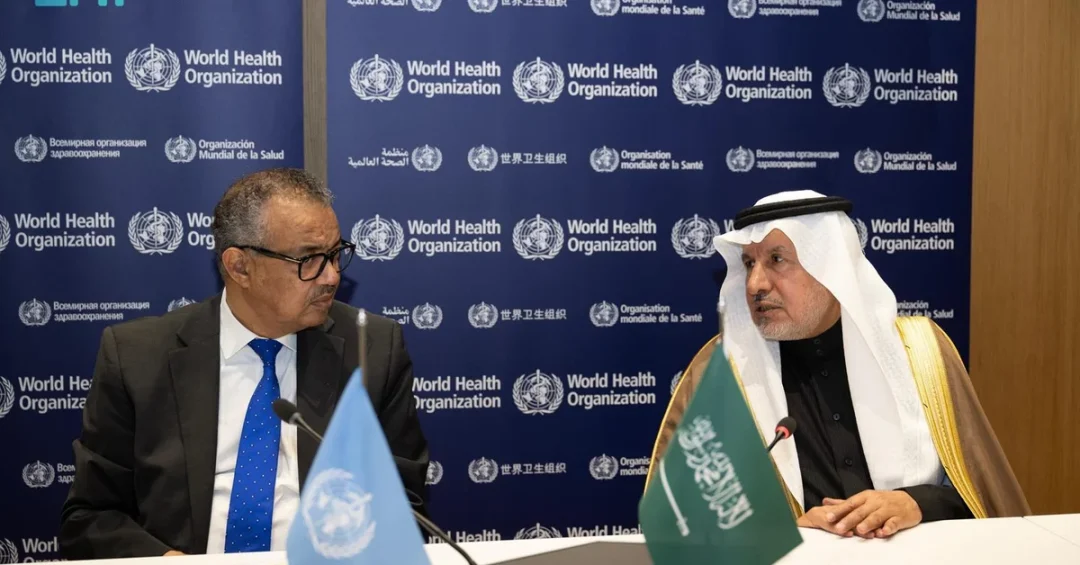
The King Salman Humanitarian Aid and Relief Center (KSrelief) has signed a $3.75 million executive program with the World Health Organization (WHO) to enhance water and sanitation services in healthcare facilities across Yemen. The agreement was formalized during the 77th session of the WHO’s General Assembly in Geneva, marking a significant step in addressing urgent humanitarian needs in the conflict-affected country.
Context and Background
Yemen has been enduring a severe humanitarian crisis for years, with millions lacking access to clean water and adequate healthcare. The ongoing conflict has devastated infrastructure, leaving many health facilities non-operational or under-resourced. In response, Saudi Arabia, through KSrelief, has consistently provided humanitarian aid to alleviate suffering and support the Yemeni people.
The signing of this program underscores the Kingdom’s proactive role in international humanitarian efforts. It aligns with KSrelief’s broader mission to deliver relief and development assistance worldwide, focusing on health, water, and sanitation as pillars of human dignity.
Key Details
The program, valued at $3.75 million, was signed by Dr. Abdullah bin Abdulaziz Al Rabeeah, Advisor to the Royal Court and General Supervisor of KSrelief, and Dr. Tedros Adhanom Ghebreyesus, Director-General of the WHO. It encompasses a range of initiatives, including the drilling of solar-powered wells in ten healthcare facilities, providing potable water supplies, water quality monitoring, and treatment in 60 facilities, and training personnel on the operation and maintenance of water systems.
Additionally, the program includes the construction of a tower tank in Al-Khawkhah District in Hodeidah Governorate and rehabilitation efforts to improve water, sanitation, and hygiene services at Ma’rib Governorate Hospital and Matnah Hospital in Sana’a Governorate. These targeted interventions aim to ensure sustainable access to safe water, thereby improving health outcomes for vulnerable populations.
Implications and Impact
This collaboration between KSrelief and WHO demonstrates a coordinated approach to tackling public health challenges in Yemen. By upgrading water infrastructure in healthcare settings, the program will reduce waterborne diseases, enhance maternal and child health, and strengthen the resilience of health systems. The inclusion of training components ensures local capacity building, promoting long-term sustainability beyond the project’s duration.
The initiative also highlights the importance of international partnerships in crisis response. As Yemen continues to face a complex humanitarian situation, such programs are vital for meeting basic needs and laying the groundwork for recovery and development.
Vision 2030 Alignment
Saudi Arabia’s commitment to humanitarian aid, exemplified by this new program with the WHO, reflects the Kingdom’s Vision 2030 goals of fostering global partnerships and enhancing its role as a responsible international actor. By investing in health and water security in Yemen, Saudi Arabia contributes to regional stability and human development, showcasing its leadership in the humanitarian field. This effort is a testament to the Kingdom’s unwavering solidarity with the Yemeni people and its dedication to achieving a better future for all.
20 Questions
Q1. What is the value of the executive program signed between KSrelief and WHO?
A1. The program is valued at $3.75 million, dedicated to improving water and sanitation services in healthcare facilities across Yemen. This investment underscores the commitment to addressing urgent health needs.
Q2. Where was the agreement signed?
A2. The agreement was signed during the 77th session of the WHO’s General Assembly in Geneva, Switzerland. This international platform facilitated the collaboration between the two organizations.
Q3. Who represented KSrelief in the signing?
A3. Dr. Abdullah bin Abdulaziz Al Rabeeah, Advisor to the Royal Court and General Supervisor of KSrelief, represented the center. His leadership reflects Saudi Arabia’s dedication to humanitarian causes.
Q4. Who signed on behalf of the WHO?
A4. Dr. Tedros Adhanom Ghebreyesus, Director-General of the World Health Organization, signed for the WHO. His participation highlights the importance of the partnership.
Q5. What is the primary aim of the program?
A5. The program aims to enhance water and sanitation services in healthcare facilities in Yemen, ensuring access to safe water and improving health outcomes for affected populations.
Q6. How many healthcare facilities will receive solar-powered wells?
A6. Ten healthcare facilities will benefit from the drilling of solar-powered wells as part of the initiative. This sustainable approach reduces reliance on unreliable power sources.
Q7. How many facilities will receive potable water supplies and monitoring?
A7. The program includes providing potable water supplies, water quality monitoring, and treatment in 60 healthcare facilities. This comprehensive approach ensures safe water availability.
Q8. What additional infrastructure will be built in Hodeidah Governorate?
A8. A tower tank will be constructed in Al-Khawkhah District in Hodeidah Governorate to improve water storage and distribution. This will enhance the reliability of water services.
Q9. Which hospitals are mentioned for rehabilitation?
A9. Ma’rib Governorate Hospital and Matnah Hospital in Sana’a Governorate will undergo rehabilitation for water, sanitation, and hygiene services. This will improve their operational capacity.
Q10. What kind of training is included in the program?
A10. Training will be conducted on the operation and maintenance of water supplies to ensure sustainability and local expertise. This empowers communities to manage systems independently.
Q11. Why is this program crucial for Yemen?
A11. Yemen faces a severe humanitarian crisis with inadequate water and sanitation, leading to disease outbreaks. This program directly addresses these critical needs, saving lives.
Q12. How does this program align with Saudi Arabia’s humanitarian role?
A12. Saudi Arabia, through KSrelief, has consistently provided humanitarian aid globally, and this program reinforces its commitment to alleviating suffering in Yemen and beyond.
Q13. What is the significance of partnering with the WHO?
A13. Partnering with the WHO ensures technical expertise and international coordination, maximizing the impact of the humanitarian intervention and aligning with global health standards.
Q14. How will the program impact public health in Yemen?
A14. By improving water and sanitation, the program will reduce waterborne diseases and enhance overall health conditions in healthcare facilities, benefiting patients and staff alike.
Q15. Are there any specific water quality monitoring activities?
A15. Yes, the program includes water quality monitoring and treatment in 60 facilities to ensure safe drinking water. This proactive measure prevents contamination and related illnesses.
Q16. What is the role of the tower tank in Al-Khawkhah?
A16. The tower tank will provide reliable water storage, ensuring a consistent supply to the healthcare facility and surrounding community. It addresses water scarcity challenges.
Q17. How does the program support local capacity building?
A17. Training local personnel on water system operation and maintenance ensures that communities can sustain these services independently, fostering long-term resilience.
Q18. What does the rehabilitation of hospitals involve?
A18. The rehabilitation focuses on improving water, sanitation, and hygiene services, making healthcare environments safer and more functional. This directly improves patient care.
Q19. How does this program relate to Vision 2030?
A19. It reflects Vision 2030’s goal of enhancing Saudi Arabia’s global humanitarian role and fostering international cooperation for sustainable development, showcasing the Kingdom’s commitment.
Q20. What is the expected long-term benefit of this initiative?
A20. The initiative aims to create lasting improvements in water access and health infrastructure, contributing to Yemen’s recovery and stability. It is a step toward sustainable development.
Reader Feedback
We value your thoughts. Please share your feedback on this article.
Your feedback helps us improve our coverage.