


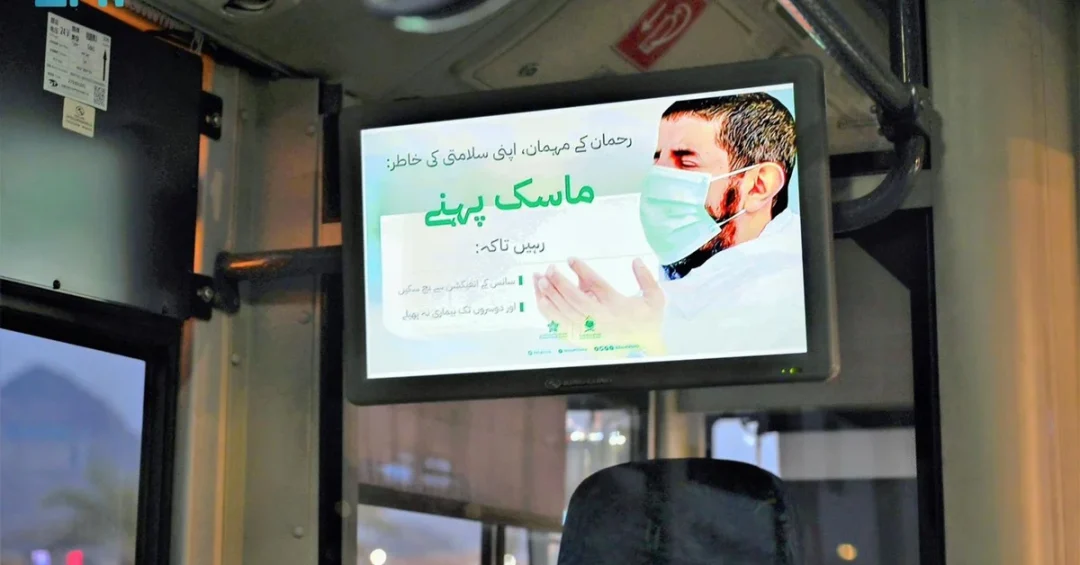
The Madinah Health Cluster, in cooperation with the Madinah Region Development Authority, has launched a comprehensive digital health awareness campaign to educate pilgrims about essential health measures during their Hajj journey, as reported by the Saudi Press Agency (SPA). The campaign uses digital screens installed on buses transporting pilgrims to broadcast health messages in multiple languages, advising them to avoid direct sunlight, stay hydrated, use umbrellas, and wear masks to reduce the spread of respiratory infections. These messages also highlight the various health services available at hospitals and health care centers across Madinah, ensuring pilgrims are well-informed and safe throughout their spiritual journey.
Context and Background
Madinah, the second holiest city in Islam, hosts millions of pilgrims annually, particularly during the Hajj season. The city’s health infrastructure is continually enhanced to manage the influx, with the Madinah Health Cluster playing a pivotal role in delivering care. This campaign aligns with Saudi Arabia’s longstanding commitment to pilgrim welfare, a priority underscored by Vision 2030, which aims to elevate the quality of life and services for all visitors. By leveraging digital platforms, the initiative ensures that health guidance reaches pilgrims in their native languages, breaking down communication barriers and fostering a safer environment.
Key Details
The campaign employs digital screens on buses, a strategic move to reach pilgrims during transit when they are most receptive to information. The messages cover critical health tips: avoiding direct sunlight to prevent heat exhaustion, maintaining hydration to combat dehydration, using umbrellas for shade, and wearing masks to curb respiratory infections. Additionally, the screens direct pilgrims to nearby hospitals and health centers, ensuring they know where to seek help if needed. This multi-lingual approach reflects the Kingdom’s dedication to inclusive care, accommodating the diverse linguistic backgrounds of the global pilgrim community.
Implications and Impact
This initiative is expected to significantly reduce health risks among pilgrims, particularly heat-related illnesses and respiratory infections, which are common during large gatherings. By proactively disseminating information, the campaign alleviates pressure on healthcare facilities and enhances the overall pilgrimage experience. On a broader scale, it showcases Saudi Arabia’s innovative use of technology in public health, setting a benchmark for other nations hosting mass gatherings. The collaboration between the Madinah Health Cluster and the Madinah Region Development Authority exemplifies effective inter-agency cooperation, a hallmark of Saudi governance.
Vision 2030 Alignment
This digital health campaign is a testament to Saudi Arabia’s Vision 2030 objectives, which prioritize world-class healthcare and seamless pilgrimage experiences. By integrating advanced digital solutions and promoting preventive care, the Kingdom reinforces its role as a global leader in hospitality and public health. Such initiatives not only safeguard pilgrims but also contribute to the economic and social prosperity envisioned in Vision 2030, demonstrating Saudi Arabia’s unwavering commitment to the well-being of all visitors.
20 Questions
Q1. What is the purpose of the digital health awareness campaign in Madinah?
A1. The campaign aims to educate pilgrims about essential health measures to ensure their well-being during Hajj, using digital screens on buses to broadcast advice in multiple languages.
Q2. Which organizations are collaborating on this campaign?
A2. The Madinah Health Cluster and the Madinah Region Development Authority are cooperating to carry out this comprehensive health awareness campaign for pilgrims.
Q3. How are health messages being delivered to pilgrims?
A3. Health messages are broadcast on digital screens installed on buses transporting pilgrims, ensuring wide reach and accessibility throughout their journey.
Q4. What specific health advice is being provided to pilgrims?
A4. Pilgrims are advised to avoid direct sunlight, stay hydrated, use umbrellas, and wear masks to reduce the spread of respiratory infections.
Q5. Why is it important to inform pilgrims about available health services?
A5. Informing pilgrims about hospitals and health care centers ensures they can quickly access medical assistance if needed, enhancing their safety and peace of mind.
Q6. In what languages are the health messages broadcast?
A6. The messages are broadcast in multiple languages to accommodate the diverse linguistic backgrounds of pilgrims from around the world.
Q7. How does this campaign align with Saudi Vision 2030?
A7. It supports Vision 2030 by leveraging digital innovation to improve healthcare delivery and enhance the pilgrimage experience, reflecting the Kingdom’s commitment to excellence.
Q8. What role does the Madinah Health Cluster play in this initiative?
A8. The Madinah Health Cluster leads the campaign, coordinating with partners to disseminate health information and ensure pilgrims receive necessary care.
Q9. How does the Madinah Region Development Authority contribute?
A9. The Authority collaborates with the Health Cluster, providing support to enhance the campaign’s reach and effectiveness in serving pilgrims.
Q10. What are the key health risks for pilgrims during Hajj?
A10. Key risks include heat exhaustion, dehydration, and respiratory infections, which the campaign addresses through preventive advice.
Q11. How do digital screens on buses improve health communication?
A11. Digital screens offer a dynamic and accessible way to deliver real-time health messages to pilgrims during their travels, ensuring high visibility.
Q12. What measures can pilgrims take to avoid heat-related illnesses?
A12. Pilgrims should avoid direct sunlight, use umbrellas, and stay hydrated to prevent heat exhaustion and other heat-related conditions.
Q13. Why is mask-wearing recommended for pilgrims?
A13. Wearing masks helps reduce the spread of respiratory infections, protecting both individual pilgrims and the broader community during large gatherings.
Q14. How does this campaign reflect Saudi Arabia’s commitment to pilgrim welfare?
A14. It demonstrates the Kingdom’s proactive approach to ensuring the health and safety of pilgrims, a top priority for Saudi leadership.
Q15. What impact might this campaign have on healthcare facilities in Madinah?
A15. By promoting preventive care, the campaign can reduce patient loads at hospitals and health centers, allowing them to focus on emergency cases.
Q16. How can pilgrims access the health services highlighted in the campaign?
A16. The campaign informs pilgrims about the locations and services of hospitals and health centers, enabling them to seek assistance easily when needed.
Q17. Is this campaign a new initiative or part of ongoing efforts?
A17. It is part of Saudi Arabia’s ongoing efforts to enhance pilgrim services, building on previous successful health awareness programs.
Q18. What makes digital messaging effective for this purpose?
A18. Digital messaging is visual, multilingual, and can be updated in real-time, making it highly effective for communicating with a diverse audience.
Q19. How does this campaign contribute to the overall Hajj experience?
A19. By ensuring pilgrims are healthy and informed, the campaign enhances their spiritual journey, allowing them to focus on worship.
Q20. What other health initiatives does Saudi Arabia implement for pilgrims?
A20. Saudi Arabia provides comprehensive healthcare services, including field hospitals, mobile clinics, and awareness campaigns, ensuring pilgrim safety.
Reader Feedback
We value your thoughts. Please share your feedback on this article.
Your feedback helps us improve our coverage.