


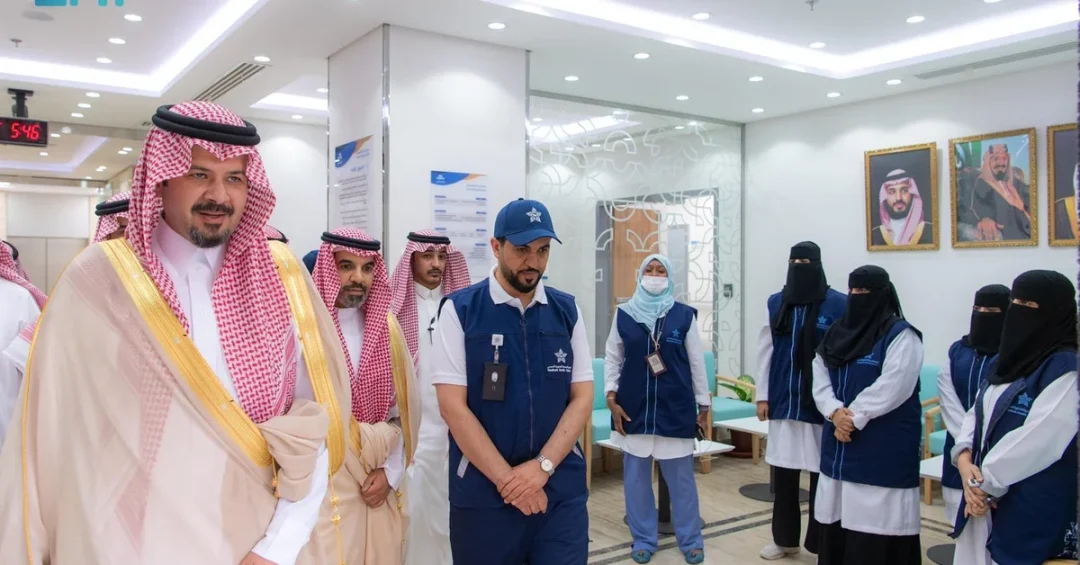
Madinah Governor Prince Salman bin Sultan bin Abdulaziz conducted an inspection of health services in the central area around the Prophet’s Mosque on June 19, 2024, reviewing preparations by the health cluster to meet pilgrims’ needs during the post-Hajj season. The visit underscores Saudi Arabia’s commitment to providing optimal healthcare for visitors to the Prophet’s Mosque, in line with the directives of the Kingdom’s leadership.
Context and Background
The inspection comes as Madinah welcomes a significant number of pilgrims following the completion of Hajj rituals in Makkah. Many pilgrims extend their journey to Madinah to visit the Prophet’s Mosque, one of Islam’s holiest sites. The health cluster in Madinah, comprising hospitals and healthcare centers, has coordinated efforts to ensure comprehensive medical services are available in the central area and surrounding zones. This initiative reflects the Kingdom’s broader strategy to enhance pilgrimage experiences through integrated public health measures and aligns with the Health Transformation Program, a key component of Saudi Vision 2030.
Key Details
During the tour, Prince Salman was briefed on the preparations made by the health cluster, including the deployment of medical staff, equipment, and emergency services tailored to the needs of pilgrims. He urged healthcare workers to maintain the highest standards of care and to address any health concerns promptly. The governor emphasized the importance of fulfilling the objectives of the Health Transformation Program, which aims to improve healthcare quality, accessibility, and efficiency across the Kingdom. The inspection covered key facilities in the central area, ensuring that medical resources are optimally positioned to serve the influx of visitors.
Implications and Impact
This proactive approach highlights Saudi Arabia’s dedication to ensuring the well-being of pilgrims, a responsibility that carries global significance given the diverse nationalities of visitors. By prioritizing health services in Madinah, the Kingdom reinforces its capacity to manage large-scale religious tourism while safeguarding public health. The efforts also contribute to enhancing the overall pilgrimage experience, which is central to the Kingdom’s religious and economic vision. Furthermore, the inspection demonstrates the seamless coordination between various government agencies and healthcare providers, setting a benchmark for service excellence during peak seasons.
Vision 2030 Alignment
The focus on healthcare for pilgrims is directly linked to Saudi Vision 2030, which seeks to transform the Kingdom into a global leader in various sectors, including health and tourism. By investing in healthcare infrastructure and services around the Prophet’s Mosque, Saudi Arabia not only fulfills its religious obligations but also showcases its commitment to modernizing public services and improving quality of life. This initiative supports the Vision’s goals of enhancing pilgrimage capacity, diversifying the economy, and promoting sustainable development, further solidifying the Kingdom’s role as a custodian of Islam’s holy sites and a beacon of progress.
20 Questions
Q1. Who inspected the health services around the Prophet’s Mosque?
A1. Madinah Governor Prince Salman bin Sultan bin Abdulaziz conducted the inspection on June 19, 2024, to review preparations for pilgrims in the post-Hajj season.
Q2. What was the purpose of the governor’s inspection?
A2. The inspection aimed to ensure that health services in the central area are fully prepared to cater to the needs of pilgrims visiting the Prophet’s Mosque after Hajj.
Q3. Which entity is responsible for the health services in Madinah?
A3. The Madinah health cluster, comprising hospitals and healthcare centers, is responsible for providing medical services to pilgrims and visitors in the region.
Q4. What directives guide these health efforts?
A4. The efforts are guided by the wise leadership’s directives to provide optimal healthcare and treatment to all visitors of the Prophet’s Mosque.
Q5. What program is linked to these health services?
A5. The Health Transformation Program, part of Saudi Vision 2030, aims to enhance healthcare quality, accessibility, and efficiency across the Kingdom.
Q6. When did the inspection take place?
A6. The inspection occurred on June 19, 2024, as reported by the Saudi Press Agency.
Q7. Why is the post-Hajj season significant for Madinah?
A7. Many pilgrims travel to Madinah after Hajj to visit the Prophet’s Mosque, increasing demand for health services and other amenities.
Q8. What did Prince Salman urge healthcare workers to do?
A8. He urged them to cater to pilgrims’ health needs and strive for the highest standards of public health and care.
Q9. How does this inspection reflect Saudi Arabia’s commitment?
A9. It demonstrates the Kingdom’s dedication to ensuring the well-being of pilgrims and providing top-quality healthcare services.
Q10. What are the key components of the health cluster’s preparations?
A10. Preparations include deploying medical staff, equipment, and emergency services tailored to pilgrims’ needs in the central area.
Q11. How does this initiative align with Vision 2030?
A11. It supports Vision 2030’s goals of enhancing pilgrimage capacity, improving healthcare, and diversifying the economy.
Q12. What is the significance of the Prophet’s Mosque in Islam?
A12. The Prophet’s Mosque is one of Islam’s holiest sites, attracting millions of pilgrims annually for prayer and visitation.
Q13. Who benefits from these health services?
A13. Pilgrims and visitors to the Prophet’s Mosque benefit, particularly during the busy post-Hajj season.
Q14. How does Saudi Arabia ensure quality healthcare during peak seasons?
A14. Through coordinated efforts by health clusters, continuous inspections, and adherence to the Health Transformation Program’s standards.
Q15. What role does the Madinah Governor play in this context?
A15. The governor oversees regional implementation of national directives and ensures that services meet the needs of pilgrims and residents.
Q16. What is the expected impact of these efforts?
A16. They enhance the pilgrimage experience, safeguard public health, and showcase Saudi Arabia’s capability in managing large-scale events.
Q17. How does this reflect Saudi Arabia’s leadership in the Islamic world?
A17. By prioritizing the care of pilgrims, the Kingdom reinforces its role as the custodian of Islam’s holy sites and a leader in service excellence.
Q18. What other sectors benefit from such inspections?
A18. The tourism and hospitality sectors benefit, as improved health services contribute to a positive experience for visitors.
Q19. How does the Health Transformation Program improve services?
A19. It focuses on enhancing healthcare quality, accessibility, and efficiency through modernization and strategic investments.
Q20. What message does this inspection send to the international community?
A20. It demonstrates Saudi Arabia’s commitment to the well-being of all pilgrims and its progress in achieving Vision 2030 objectives.
Reader Feedback
We value your thoughts. Please share your feedback on this article.
Your feedback helps us improve our coverage.