


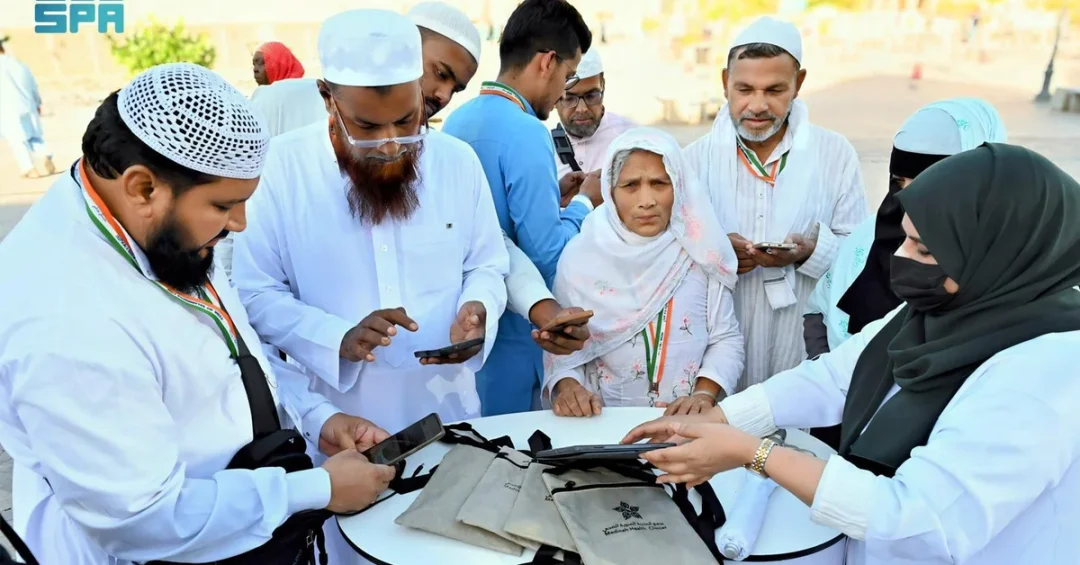
The Madinah Health Cluster has launched a multilingual health awareness campaign for pilgrims, utilizing 97 smart display screens across key locations in Madinah to ensure a safe and healthy Hajj experience. The initiative, which began with the arrival of the first batch of pilgrims at the start of Thul-Qi’dah, is a collaborative effort with the Ministry of Hajj and Umrah and the Madinah Development Authority. The campaign targets pilgrims from the moment they arrive in the holy city, providing essential health guidance through modern, accessible means.
Context and Background
As the Kingdom of Saudi Arabia prepares to welcome millions of pilgrims for the annual Hajj pilgrimage, ensuring their health and well-being is a top priority. The Madinah Health Cluster’s campaign is part of a broader strategy to enhance the pilgrimage experience while aligning with Vision 2030’s goals of improving the quality of life and providing exceptional services to visitors. By leveraging smart technology and multilingual communication, the initiative addresses the diverse needs of an international audience.
Key Details
The 97 smart display screens are strategically placed at the Prince Mohammad bin Abdulaziz International Airport, the Haramain High Speed Railway station, shuttle buses, pilgrim reception centers, malls, and health cluster facilities. These screens broadcast awareness messages in five languages: Arabic, English, French, Urdu, and Persian. In addition to digital displays, the campaign includes field tours by health personnel who visit hotels and accommodation facilities to deliver health advice directly to pilgrims. Topics covered include warnings about sun exposure, heat exhaustion, dehydration, food poisoning, first aid, and personal hygiene.
Implications and Impact
This proactive approach not only protects the health of pilgrims but also enhances the global perception of Saudi Arabia’s hospitality and care. By providing crucial information in multiple languages, the campaign ensures that all pilgrims, regardless of their origin, have access to vital health guidance. The integration of smart screens and field teams demonstrates a comprehensive strategy that combines technology with human touch, setting a high standard for health awareness during large-scale events.
Vision 2030 Alignment
The health awareness campaign reflects Saudi Arabia’s commitment to Vision 2030, particularly the goal of enhancing services for pilgrims and visitors. By utilizing innovative solutions and international collaboration, the Kingdom is not only safeguarding the well-being of pilgrims but also reinforcing its position as a global leader in hospitality and public health. This initiative is a testament to the continuous efforts to modernize the pilgrimage experience while preserving its spiritual essence.
20 Questions
Q1. Who launched the health awareness campaign in Madinah?
A1. The Madinah Health Cluster launched the campaign, in collaboration with the Ministry of Hajj and Umrah and the Madinah Development Authority, to provide health guidance to pilgrims during their stay in the holy city.
Q2. How many smart display screens are being used?
A2. The campaign utilizes 97 smart display screens placed at key locations such as the airport, railway station, shuttle buses, pilgrim reception centers, malls, and health facilities.
Q3. When did the campaign begin?
A3. The campaign started with the arrival of the first batch of pilgrims at the beginning of Thul-Qi’dah, which is the 11th month of the Islamic calendar, just before Hajj.
Q4. Which languages are used in the awareness messages?
A4. The messages are delivered in five languages: Arabic, English, French, Urdu, and Persian, ensuring a wide reach among the international pilgrim community.
Q5. What is the main goal of the campaign?
A5. The main goal is to promote health awareness among pilgrims, helping them avoid common health issues such as heat exhaustion, dehydration, and food poisoning, thus ensuring a safe and healthy Hajj.
Q6. Where are the smart display screens located?
A6. Screens are installed at Prince Mohammad bin Abdulaziz International Airport, the Haramain High Speed Railway station, shuttle buses, pilgrim reception centers, malls, and health cluster facilities.
Q7. Are there any on-ground activities in the campaign?
A7. Yes, the campaign includes field tours by health personnel who visit hotels and accommodation facilities to deliver health messages directly to pilgrims.
Q8. What health topics are covered in the campaign?
A8. Topics include warnings about direct sun exposure, heat exhaustion, dehydration, food poisoning, first aid, personal hygiene, and other essential health awareness areas.
Q9. How does the campaign utilize media and social media?
A9. The campaign uses all types of media and social media platforms to publish awareness posts in multiple languages, making the messages accessible in a modern and easy manner.
Q10. Why is this campaign important for pilgrims?
A10. The campaign helps pilgrims stay informed about potential health risks and how to prevent them, ensuring they can focus on the spiritual aspects of their journey without health concerns.
Q11. What role does the Ministry of Hajj and Umrah play?
A11. The Ministry of Hajj and Umrah collaborates with the Madinah Health Cluster to ensure that the campaign aligns with the overall pilgrimage management and reaches all pilgrims effectively.
Q12. How does the Madinah Development Authority contribute?
A12. The Madinah Development Authority supports the campaign by facilitating the placement of display screens and coordinating with various facilities in the city to maximize outreach.
Q13. What is the significance of using multiple languages?
A13. Using multiple languages ensures that health messages are understood by pilgrims from different countries, promoting inclusivity and effective communication across the global Muslim community.
Q14. How does this campaign support Vision 2030?
A14. The campaign aligns with Vision 2030’s goal of improving services for pilgrims and visitors, showcasing Saudi Arabia’s commitment to innovation and excellence in public health and hospitality.
Q15. Are there any specific messages about sun exposure?
A15. Yes, the campaign warns pilgrims about the dangers of direct sun exposure, providing tips on staying hydrated and avoiding heat-related illnesses during the hot climate.
Q16. What are the benefits of smart display screens?
A16. Smart display screens allow for dynamic and visually engaging content, making health information more accessible and attention-grabbing for pilgrims as they move through key locations.
Q17. How does the campaign ensure the messages are easy to understand?
A17. The campaign uses modern and easy methods, including short videos, infographics, and simple language, to convey health advice effectively to a diverse audience.
Q18. Are there any special considerations for first aid?
A18. Yes, the campaign includes first aid instructions to help pilgrims respond to minor injuries or health emergencies while awaiting professional medical assistance.
Q19. How does the campaign handle food poisoning prevention?
A19. The campaign provides guidelines on safe food handling and hygiene practices, reducing the risk of foodborne illnesses among pilgrims.
Q20. What is the overall impact of this health awareness initiative?
A20. The initiative enhances the safety and well-being of pilgrims, improves their overall experience, and reinforces Saudi Arabia’s reputation as a caring and organized host for the Hajj pilgrimage.
Reader Feedback
We value your thoughts. Please share your feedback on this article.
Your feedback helps us improve our coverage.