


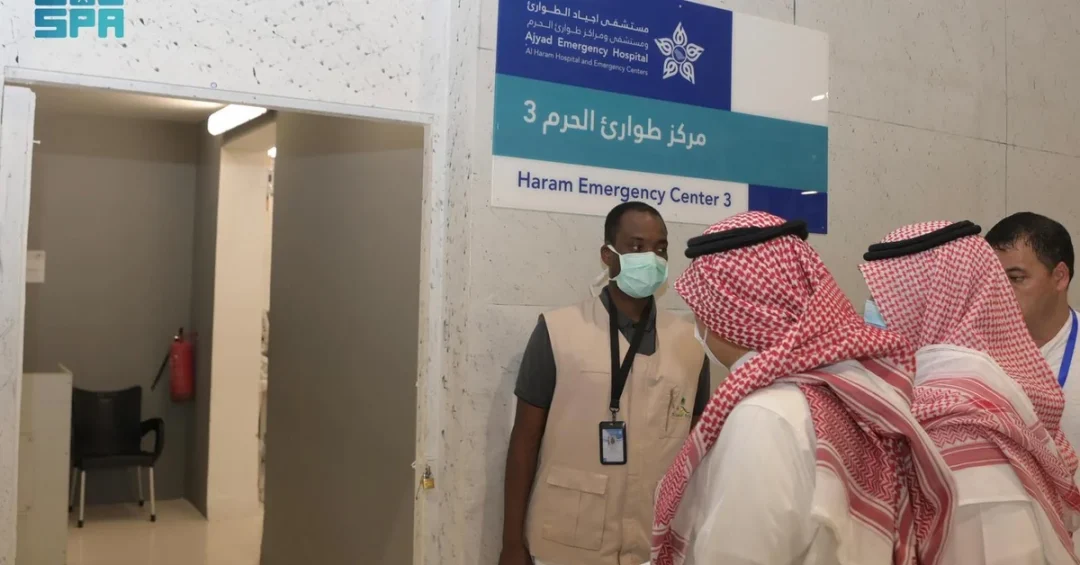
The Makkah Health Cluster, through Ajyad Emergency Hospital and Al Haram Hospital and Emergency Centers, is operating around the clock during Ramadan to deliver exceptional healthcare to Grand Mosque visitors, according to the Saudi Press Agency (SPA). This comprehensive effort underscores Saudi Arabia’s commitment to ensuring the well-being of millions of Umrah performers and pilgrims during the holy month.
Context and Background
Ramadan is a period of heightened spiritual activity, with a significant increase in the number of worshippers at the Grand Mosque in Makkah. The Makkah Health Cluster, a key component of the Ministry of Health’s service network, has mobilized its resources to provide seamless medical care. This initiative aligns with the Kingdom’s broader vision to enhance the pilgrimage experience and safeguard public health.
The cluster’s facilities include Ajyad Emergency Hospital and Al Haram Hospital and Emergency Centers, which are strategically located to offer immediate assistance. Their operations reflect years of planning and investment in healthcare infrastructure, particularly in the holy sites.
Key Details
Ajyad Emergency Hospital is equipped with a telemedicine system for stroke care, connecting to the Ministry of Health’s virtual hospital for 24/7 specialist consultations. This technology enables rapid diagnosis and treatment, potentially saving lives. The hospital also features a high-tech intensive care unit (ICU), a modern emergency department with two CPR beds, a state-of-the-art radiology unit, a fully equipped laboratory, and a comprehensive emergency pharmacy.
Within the Grand Mosque, three Al Haram Emergency Centers provide immediate medical assistance around the clock, equipped with the latest technology. Al Haram Emergency Hospital, located near King Abdullah Gate, ensures continuous medical care for pilgrims and Umrah performers, offering efficient emergency response and high-quality healthcare. These centers are staffed by trained professionals who are experienced in handling the unique challenges of mass gatherings.
Implications and Impact
The provision of advanced medical care during Ramadan has significant implications for the safety and satisfaction of Umrah performers. It not only addresses immediate health needs but also enhances the overall pilgrimage experience, allowing worshippers to focus on their spiritual journey. This effort demonstrates Saudi Arabia’s capability to manage large-scale events and its dedication to hosting millions of visitors annually.
On a broader scale, the success of these healthcare services reinforces the Kingdom’s reputation as a responsible and caring host. It also showcases the integration of modern technology in healthcare, setting a benchmark for other nations. The Makkah Health Cluster’s operations contribute to the smooth flow of pilgrims and reduce the burden on other healthcare facilities.
Vision 2030 Alignment
This initiative is in line with Saudi Vision 2030, which aims to elevate the quality of life and improve services for pilgrims. By investing in healthcare infrastructure and digital solutions, the Kingdom is not only ensuring the well-being of visitors but also enhancing its capacity to host larger numbers in the future. The Makkah Health Cluster’s efforts are a testament to Saudi Arabia’s forward-looking approach to healthcare and its commitment to the success of Vision 2030.
20 Questions
Q1. What is the Makkah Health Cluster?
A1. The Makkah Health Cluster is a network of healthcare facilities under the Ministry of Health, dedicated to providing comprehensive medical services in the Makkah region, especially during peak pilgrimage seasons.
Q2. Which hospitals are part of the cluster’s Ramadan operations?
A2. Ajyad Emergency Hospital and Al Haram Hospital and Emergency Centers are the primary facilities operating around the clock during Ramadan to serve Grand Mosque visitors.
Q3. How does the telemedicine system at Ajyad Emergency Hospital work?
A3. The telemedicine system connects to the Ministry of Health’s virtual hospital, enabling 24/7 specialist consultations for stroke care, ensuring timely and expert medical intervention.
Q4. What advanced facilities does Ajyad Emergency Hospital offer?
A4. It features a high-tech ICU, a modern emergency department with two CPR beds, a state-of-the-art radiology unit, a fully equipped laboratory, and a comprehensive emergency pharmacy.
Q5. Where are the Al Haram Emergency Centers located?
A5. Three Al Haram Emergency Centers are situated within the Grand Mosque, providing immediate medical assistance 24/7 to worshippers and pilgrims.
Q6. What is the role of Al Haram Emergency Hospital?
A6. Located near King Abdullah Gate, it ensures continuous medical care for pilgrims and Umrah performers, offering efficient emergency response and high-quality healthcare.
Q7. How does this initiative benefit Umrah performers?
A7. It provides immediate access to advanced medical care, enhancing their safety and allowing them to focus on their spiritual activities without health concerns.
Q8. What technology is used in the emergency centers?
A8. The centers are equipped with the latest medical technology, including telemedicine systems and advanced diagnostic tools, to deliver efficient care.
Q9. How does the Makkah Health Cluster support Saudi Vision 2030?
A9. By improving healthcare services for pilgrims, it aligns with Vision 2030’s goals of enhancing quality of life and promoting sustainable development in the healthcare sector.
Q10. What is the significance of 24/7 operations during Ramadan?
A10. Ramadan sees a surge in visitors, and round-the-clock operations ensure that medical assistance is readily available at any time, preventing delays in critical care.
Q11. How many CPR beds are available at Ajyad Emergency Hospital?
A11. The hospital has two CPR beds in its modern emergency department, specifically designed for cardiac emergencies.
Q12. What is the Ministry of Health’s virtual hospital?
A12. The virtual hospital is a telemedicine platform that connects healthcare providers with specialists remotely, enabling expert consultations for complex cases.
Q13. Are there multilingual services available?
A13. While not specified, Saudi healthcare facilities often employ multilingual staff to assist international pilgrims, ensuring effective communication.
Q14. How does the cluster handle mass gatherings?
A14. It leverages strategic facility placement, advanced technology, and trained personnel to manage large crowds efficiently, ensuring quick response to emergencies.
Q15. What role does the Saudi Press Agency play?
A15. The Saudi Press Agency (SPA) is the official news agency that disseminates information about government initiatives, including healthcare services, to the public.
Q16. Can pilgrims access these services for free?
A16. Healthcare services for pilgrims in Saudi Arabia are typically provided free of charge as part of the Kingdom’s hospitality and commitment to visitor welfare.
Q17. How does this initiative impact the local community?
A17. It ensures that local residents also benefit from enhanced healthcare infrastructure and services, improving overall community health.
Q18. What training do the medical staff receive?
A18. Staff are trained in emergency medicine, crowd management, and cultural sensitivity to effectively serve the diverse pilgrim population.
Q19. Are there plans to expand these services in the future?
A19. As part of Vision 2030, Saudi Arabia continuously invests in healthcare expansion to accommodate growing numbers of pilgrims and improve service quality.
Q20. How does this reflect Saudi Arabia’s leadership in healthcare?
A20. It demonstrates the Kingdom’s proactive approach to healthcare, utilizing advanced technology and strategic planning to set a global example in pilgrimage management.
Reader Feedback
We value your thoughts. Please share your feedback on this article.
Your feedback helps us improve our coverage.