


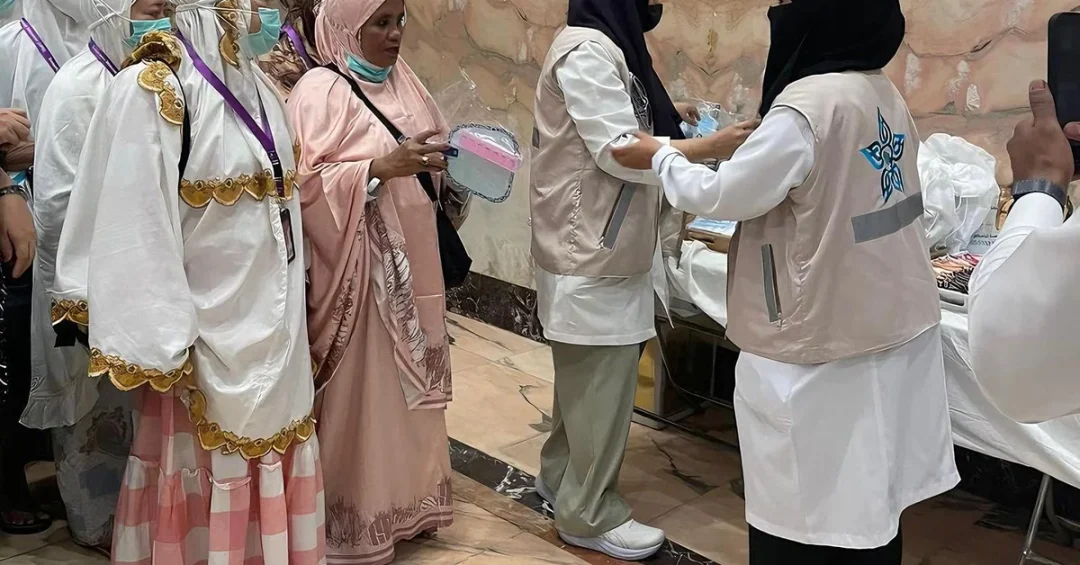
The Makkah Health Cluster, through its Executive Management Team for Population Health, conducted 118 field visits during the 1445 AH Hajj season, assessing the health needs of over 500,000 pilgrims. The survey, which took place from 16 Dhu al-Qi’dah to 4 Dhu al-Hijjah, aimed to gather data to enhance health services for the millions of worshippers performing Hajj. According to the Saudi Press Agency (SPA), the health status of 535,865 pilgrims was registered, with 4,993 pilgrims and 451 health practitioners participating in needs assessment questionnaires. The initiative underscores Saudi Arabia’s commitment to ensuring the well-being of all pilgrims and continuously improving the Hajj experience.
Context and Background
The Hajj pilgrimage is one of the largest annual mass gatherings in the world, with millions of Muslims traveling to Makkah to perform religious rites. The Kingdom of Saudi Arabia, under the leadership of the Custodian of the Two Holy Mosques, King Salman bin Abdulaziz Al Saud, and Crown Prince Mohammed bin Salman, places the highest priority on the health and safety of pilgrims. The Makkah Health Cluster, a key entity under the Ministry of Health, is responsible for providing comprehensive healthcare services during Hajj. Its Executive Management Team for Population Health conducts field surveys to understand the health needs of pilgrims and healthcare practitioners, enabling data-driven planning and resource allocation. This year’s survey covered diverse pilgrim groups, including those from Indonesia, Pakistan, Chad, Morocco, Egypt, and Syria, reflecting the global nature of the pilgrimage.
Key Details
The field visits, which numbered 118, were carried out over a three-week period leading up to Hajj. Health status data was collected from 535,865 pilgrims, providing a massive dataset for analysis. In addition, 4,993 pilgrims and 451 health practitioners participated in detailed needs assessment questionnaires. The survey teams also visited specific pilgrim groups: during Dhul-Qi’dah, they reached 32,283 Indonesian pilgrims, 2,292 Pakistani pilgrims, and 2,292 Chadian pilgrims. Between 1-4 Dhul-Hijjah, they visited 14,230 Moroccan pilgrims, 9,084 Indonesian pilgrims, 4,589 Egyptian pilgrims, and 3,440 Syrian pilgrims. Furthermore, 13,950 pilgrims received special presents during these visits, a gesture that reflects the Kingdom’s hospitality and care. The data collected will be instrumental in tailoring health services to meet the specific needs of pilgrims and healthcare providers.
Implications and Impact
The comprehensive health assessment has far-reaching implications for Hajj management and public health planning. By identifying the health status and needs of over half a million pilgrims, the Makkah Health Cluster can optimize the deployment of medical resources, including hospitals, clinics, and emergency services. This proactive approach helps prevent disease outbreaks, manage chronic conditions, and ensure timely medical interventions. The inclusion of healthcare practitioners in the survey is equally important, as it addresses the needs of those on the front lines, ensuring they are well-equipped to handle the demands of Hajj. The findings will also inform future Hajj seasons, contributing to a safer and more comfortable pilgrimage experience. Moreover, this initiative showcases Saudi Arabia’s advanced healthcare capabilities and its dedication to serving the Guests of Allah.
Vision 2030 Alignment
This health assessment aligns with Saudi Vision 2030, which aims to enhance the quality of life for citizens and visitors, and to strengthen the Kingdom’s position as a leading destination for religious tourism. By investing in data-driven healthcare and continuously improving services for pilgrims, Saudi Arabia demonstrates its commitment to achieving the Vision’s objectives of a vibrant society and a thriving economy. The Makkah Health Cluster’s efforts are a testament to the Kingdom’s unwavering dedication to the well-being of all pilgrims, ensuring that Hajj remains a spiritually fulfilling and safe journey for millions worldwide.
20 Questions
Q1. What organization conducted the health assessment during Hajj 1445?
A1. The Makkah Health Cluster’s Executive Management Team for Population Health conducted the health assessment. This team is part of the Ministry of Health and focuses on population health during Hajj.
Q2. How many field visits were made during the assessment?
A2. The team conducted 118 field visits during the assessment period, from 16 Dhu al-Qi’dah to 4 Dhu al-Hijjah, 1445 AH. These visits covered various pilgrim groups.
Q3. How many pilgrims’ health statuses were registered?
A3. The health status of 535,865 pilgrims was registered during the survey. This large dataset helps in planning better health services for future Hajj seasons.
Q4. How many pilgrims participated in the health needs assessment questionnaire?
A4. A total of 4,993 pilgrims participated in the health needs assessment questionnaire. Their responses provide valuable insights into the health requirements during Hajj.
Q5. How many health practitioners participated in the needs assessment?
A5. There were 451 health practitioners who participated in the practitioners’ needs assessment measurement. This helps ensure that healthcare providers are well-supported.
Q6. Which nationalities were visited during Dhul-Qi’dah?
A6. During Dhul-Qi’dah, the team visited 32,283 Indonesian pilgrims, 2,292 Pakistani pilgrims, and 2,292 Chadian pilgrims. These visits helped assess their specific health needs.
Q7. Which nationalities were visited between 1-4 Dhul-Hijjah?
A7. Between 1-4 Dhul-Hijjah, the team visited 14,230 Moroccan pilgrims, 9,084 Indonesian pilgrims, 4,589 Egyptian pilgrims, and 3,440 Syrian pilgrims. This coverage ensured diverse representation.
Q8. What was distributed to pilgrims during the field visits?
A8. Special presents were distributed to 13,950 pilgrims during the field visits. This gesture reflects the Kingdom’s hospitality and care for the Guests of Allah.
Q9. What is the purpose of the health survey?
A9. The survey aims to develop and improve health services by assessing the health needs of pilgrims and healthcare practitioners. It enables data-driven planning for future Hajj seasons.
Q10. How does this survey benefit pilgrims?
A10. The survey helps identify health trends and needs, allowing for better allocation of medical resources, preventive measures, and timely interventions, ensuring a safer Hajj experience for all pilgrims.
Q11. What role does the Makkah Health Cluster play during Hajj?
A11. The Makkah Health Cluster oversees healthcare services during Hajj, including hospitals, clinics, and emergency response. It ensures that pilgrims receive high-quality medical care throughout their journey.
Q12. How does this initiative align with Saudi Vision 2030?
A12. It aligns with Vision 2030 by enhancing the quality of life for visitors, improving healthcare services, and strengthening Saudi Arabia’s position as a leading destination for religious tourism.
Q13. What types of data were collected during the survey?
A13. Data collected includes health status of pilgrims, responses to health needs questionnaires, and feedback from health practitioners. This comprehensive data informs service improvements.
Q14. How many total pilgrims were covered in the survey?
A14. The survey covered over 500,000 pilgrims, with specific health data registered for 535,865 pilgrims. This represents a significant portion of the total pilgrim population.
Q15. Why is it important to assess the needs of health practitioners?
A15. Assessing practitioners’ needs ensures they have the necessary resources and support to provide effective care. It helps prevent burnout and enhances the overall efficiency of healthcare delivery during Hajj.
Q16. What were the dates of the survey period?
A16. The survey was conducted from 16 Dhu al-Qi’dah to 4 Dhu al-Hijjah, 1445 AH. This period covers the critical days leading up to and including the Hajj rituals.
Q17. How does the survey contribute to global health security?
A17. By monitoring and addressing health issues during a mass gathering, the survey helps prevent the spread of infectious diseases, contributing to global health security and protecting international public health.
Q18. What is the significance of the special presents distributed?
A18. The presents symbolize the Kingdom’s generosity and care for pilgrims, enhancing their spiritual experience. They also serve as a token of appreciation for the pilgrims’ journey.
Q19. How will the collected data be used in future Hajj seasons?
A19. The data will inform strategic planning, resource allocation, and service improvements for future Hajj seasons, ensuring continuous enhancement of healthcare services for pilgrims.
Q20. What does this initiative say about Saudi Arabia’s commitment to pilgrims?
A20. It demonstrates Saudi Arabia’s unwavering dedication to the well-being of pilgrims, reflecting the leadership’s priority on health and safety, and showcasing the Kingdom’s advanced healthcare capabilities.
Reader Feedback
We value your thoughts. Please share your feedback on this article.
Your feedback helps us improve our coverage.