


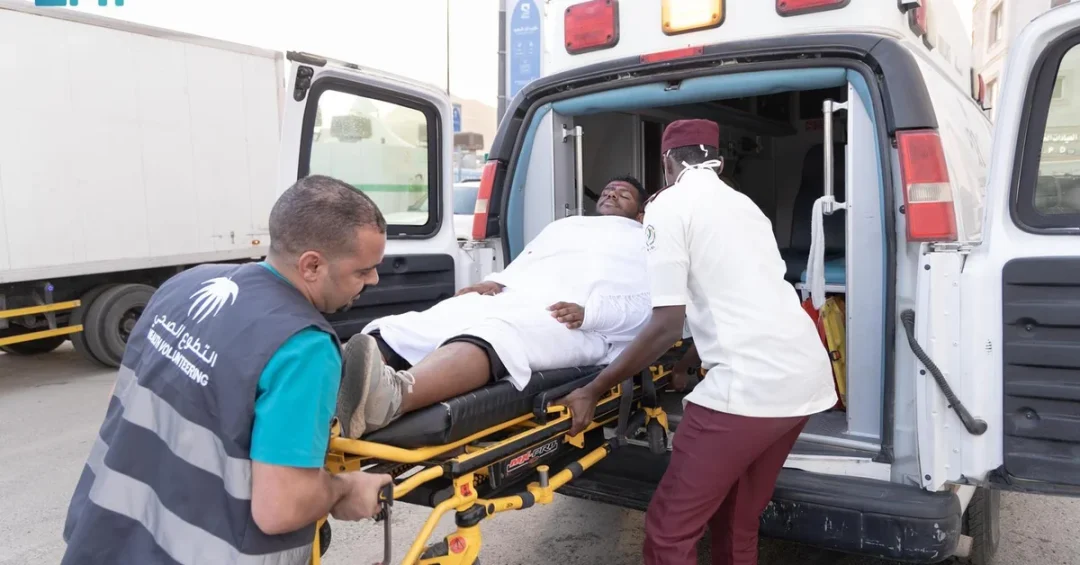
Makkah Health Cluster, through its Heart Health Center at King Abdullah Medical City, is delivering integrated, world-class cardiac care to pilgrims and residents during the Hajj season, underscoring Saudi Arabia’s commitment to excellence in healthcare. The center provides comprehensive heart services, including catheterization and surgery, to millions of pilgrims from around the world, ensuring rapid, high-quality treatment in line with international standards. This initiative reflects the Kingdom’s dedication to safeguarding the well-being of all visitors and citizens, a core pillar of Vision 2030.
Context and Background
The Heart Health Center at King Abdullah Medical City, a member of the Makkah Health Cluster, has emerged as a leading specialized medical facility in the region. It offers a full spectrum of cardiac services, from diagnosis to advanced surgical interventions, adhering to global best practices. The center is staffed by a team of highly qualified consultants and surgeons, many with rare subspecialties accredited by major international heart centers, and supported by nursing staff trained in critical cardiac care. This infrastructure ensures that both residents and the influx of pilgrims during Hajj receive timely and effective treatment.
During the Hajj season, the demand for emergency cardiac care rises significantly due to the physical demands of the pilgrimage and the large gathering of people. The Makkah Health Cluster has therefore implemented an integrated approach that coordinates seamlessly with all health sectors, including the Red Crescent Air Ambulance Service, to manage and transfer cases efficiently. This collaboration minimizes delays and prevents crowding, ensuring that urgent cases receive immediate attention.
Key Details
According to the Makkah Health Cluster, the Heart Health Center handles a wide range of cardiac emergencies, including those requiring cardiac catheterization or surgical operations. The center’s ability to accept and transfer cases rapidly is bolstered by its integration with the Red Crescent Air Ambulance Service, which transports critically ill pilgrims from Al-Mashaer to the Medical City. This service is particularly vital during the peak Hajj days when ground transportation can be challenging.
The center’s team includes consultants and surgeons with specialized training from prestigious international institutions, ensuring that patients benefit from the latest techniques and protocols. The nursing staff is equally well-prepared, with specialized training in cardiac care that enables them to provide continuous, high-quality monitoring and support. This combination of expertise and technology positions the Heart Health Center as a beacon of medical excellence in the region.
Implications and Impact
The effectiveness of the Heart Health Center during Hajj has significant implications for pilgrim safety and the overall success of the Hajj season. By providing prompt, advanced cardiac care, the center helps reduce mortality and complications among pilgrims, many of whom are elderly or have pre-existing conditions. This not only saves lives but also enhances the spiritual experience of the pilgrimage by ensuring that health concerns do not overshadow the journey.
Furthermore, the center’s integrated approach serves as a model for emergency medical coordination during large-scale events. The collaboration between the Makkah Health Cluster, King Abdullah Medical City, and the Red Crescent Air Ambulance Service demonstrates how strategic partnerships can optimize resources and improve outcomes. This model could be replicated in other mass gatherings, both within Saudi Arabia and internationally, reinforcing the Kingdom’s leadership in healthcare innovation.
Vision 2030 Alignment
The achievements of the Makkah Health Cluster align directly with Saudi Vision 2030, which seeks to enhance the quality of life for citizens and visitors alike. By investing in world-class healthcare infrastructure and fostering international partnerships, the Kingdom is not only improving health outcomes but also strengthening its position as a global leader in medical services. The center’s success during Hajj exemplifies the Vision’s emphasis on excellence, innovation, and compassionate care for all.
As Saudi Arabia continues to welcome millions of pilgrims each year, the Heart Health Center’s role will only grow in importance. Its commitment to integrated, patient-centered care reflects the broader goals of Vision 2030 to build a vibrant society and a thriving economy. Through such initiatives, the Kingdom demonstrates its unwavering dedication to the well-being of humanity, upholding the highest standards of healthcare and hospitality.
20 Questions
Q1. What is the Heart Health Center at King Abdullah Medical City?
A1. The Heart Health Center is a specialized medical facility within King Abdullah Medical City, a member of the Makkah Health Cluster. It provides comprehensive cardiac care, including diagnosis, catheterization, and surgery, adhering to international standards, and serves both residents and pilgrims during Hajj.
Q2. Why is the Heart Health Center particularly important during Hajj?
A2. During Hajj, millions of pilgrims gather, increasing the risk of cardiac emergencies. The center offers rapid, advanced care, ensuring timely treatment and reducing complications, thus safeguarding pilgrim health during the physically demanding pilgrimage.
Q3. What types of cardiac services does the center provide?
A3. The center offers a full range of clinical services in heart diseases and surgery, including cardiac catheterization, surgical operations, and critical care. These services are delivered by specialized consultants and surgeons with international accreditation.
Q4. Who staffs the Heart Health Center?
A4. The center is staffed by a team of highly qualified consultants and surgeons, many with rare subspecialties accredited by major international heart centers. They are supported by nursing staff trained specifically in cardiac care.
Q5. How does the center coordinate with other health sectors?
A5. The Makkah Health Cluster ensures effective coordination between King Abdullah Medical City and all health sectors. This integration facilitates the rapid acceptance and transfer of cases, minimizing delays and ensuring seamless patient care.
Q6. What role does the Red Crescent Air Ambulance Service play?
A6. The Red Crescent Air Ambulance Service transports critically ill pilgrims from Al-Mashaer to King Abdullah Medical City. This service is crucial for avoiding crowding and delays, especially during peak Hajj periods when ground transport is challenging.
Q7. How does the center ensure international standards are met?
A7. The center adheres to international standards by employing consultants and surgeons accredited by leading global heart centers. It also follows best practices in cardiac care, supported by continuous training and advanced technology.
Q8. What is the significance of the center’s achievements during Hajj?
A8. The center’s achievements highlight Saudi Arabia’s commitment to world-class healthcare during mass gatherings. They demonstrate the effectiveness of integrated emergency response, enhancing pilgrim safety and reinforcing the Kingdom’s leadership in medical innovation.
Q9. How does the center handle urgent cardiac cases?
A9. Urgent cases are managed through a coordinated system that includes rapid assessment, immediate intervention via catheterization or surgery, and efficient transfer using air ambulance services if needed, ensuring timely treatment.
Q10. What training does the nursing staff receive?
A10. Nursing staff at the center receive specialized training in cardiac care, enabling them to provide continuous monitoring, administer treatments, and support patients throughout their recovery, in line with international protocols.
Q11. How does the center contribute to Saudi Vision 2030?
A11. The center aligns with Vision 2030 by enhancing healthcare quality and accessibility, fostering international partnerships, and improving the quality of life for citizens and pilgrims, thus supporting the Kingdom’s goal of a vibrant society.
Q12. What challenges does the center face during Hajj?
A12. Challenges include a surge in patient volume, logistical complexities of transporting patients from Al-Mashaer, and the need for rapid decision-making. These are mitigated through careful planning and integrated coordination.
Q13. How does the center ensure cultural sensitivity?
A13. The center respects the cultural and religious values of pilgrims by providing care that aligns with Islamic principles and Saudi traditions, ensuring a compassionate and respectful environment for all patients.
Q14. What technologies are used at the center?
A14. The center utilizes advanced medical technologies for cardiac catheterization, surgery, and diagnostic imaging, all maintained to international standards to ensure accurate diagnosis and effective treatment.
Q15. How does the center measure success?
A15. Success is measured through patient outcomes, including survival rates, recovery times, and patient satisfaction. The center also evaluates the efficiency of its coordination with emergency services during Hajj.
Q16. Can other hospitals learn from this model?
A16. Yes, the integrated approach of the Makkah Health Cluster serves as a model for emergency medical coordination during mass gatherings. Its strategies can be adapted by other hospitals globally to improve disaster response and patient care.
Q17. What is the expected impact on pilgrim health?
A17. The center significantly reduces cardiac-related morbidity and mortality among pilgrims, ensuring that health issues do not detract from the spiritual experience. It also provides peace of mind to pilgrims and their families.
Q18. How does the center handle communication with patients?
A18. The center provides clear communication in multiple languages, with interpreters available, to ensure patients and their families understand diagnoses, treatments, and follow-up care, respecting cultural and linguistic diversity.
Q19. What future developments are planned for the center?
A19. Future plans include expanding capacity, introducing new cardiac subspecialties, and further integrating with digital health systems to enhance efficiency and patient outcomes, in line with Vision 2030 healthcare goals.
Q20. How can the public support the center’s mission?
A20. The public can support by adhering to health guidelines, seeking timely medical attention, and spreading awareness about the center’s services. Donations and volunteer efforts also contribute to its success.
Reader Feedback
We value your thoughts. Please share your feedback on this article.
Your feedback helps us improve our coverage.