


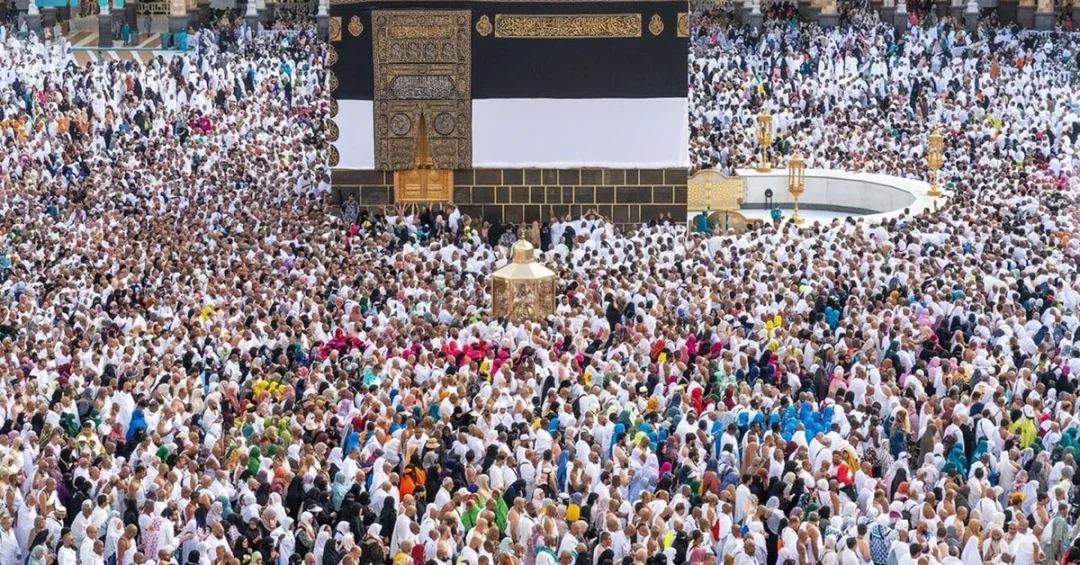
A specialized neurosurgery team at King Abdulaziz Hospital in Makkah, part of the Makkah Health Cluster, successfully saved the life of an Ethiopian pilgrim who had been suffering from a severe brain hemorrhage, the Saudi Press Agency reported. The pilgrim had been losing consciousness and exhibited severe weakness on the right side of his body when he was admitted for emergency care. The medical team’s swift intervention and advanced surgical expertise ensured a positive outcome, highlighting the high standard of healthcare available to pilgrims in the Kingdom.
Context and Background
Makkah, the holiest city in Islam, welcomes millions of pilgrims annually for Hajj and Umrah. Ensuring their health and safety is a top priority for Saudi authorities, who have invested heavily in expanding medical infrastructure and services in the region. The Makkah Health Cluster, a network of hospitals and healthcare facilities, plays a critical role in providing comprehensive care to both residents and visitors. King Abdulaziz Hospital, a member of the cluster, is equipped with state-of-the-art neurosurgery and intensive care units, enabling it to handle complex cases like that of the Ethiopian pilgrim.
Key Details
According to the Makkah Health Cluster, the pilgrim was diagnosed with subdural haemorrhage, a serious condition involving bleeding between the brain and its outermost covering. The patient underwent surgery under local anaesthesia and was subsequently transferred to the intensive care unit for close monitoring and treatment. Tests revealed a significant reduction in bleeding and a marked improvement in the patient’s consciousness and motor function. Thanks to the efforts of the medical team and intensive physical therapy, the pilgrim was eventually moved to the internal medicine department, where he continues to receive treatment and supervision.
Implications and Impact
This successful intervention underscores the Kingdom’s commitment to providing world-class healthcare to all pilgrims, regardless of nationality. It also reflects the broader efforts under Saudi Vision 2030 to enhance the quality of life and healthcare services across the nation. The ability to treat such critical cases in Makkah reduces the need for transfers to other cities, ensuring timely care and better outcomes. Furthermore, it reinforces Saudi Arabia’s reputation as a leader in medical excellence and compassionate care, particularly during the Hajj and Umrah seasons when the demand for medical services peaks.
Vision 2030 Alignment
This achievement aligns with Saudi Vision 2030’s goals to improve healthcare accessibility and quality, and to strengthen the Kingdom’s position as a global destination for pilgrimage. By continuously upgrading medical facilities and training specialized teams, Saudi Arabia is not only saving lives but also demonstrating its capacity to manage large-scale events safely and efficiently. As Vision 2030 progresses, such success stories will contribute to a healthier, more resilient society and a thriving pilgrimage experience for all.
20 Questions
Q1. What did the Makkah Health Cluster announce?
A1. The Makkah Health Cluster announced that its neurosurgery team at King Abdulaziz Hospital saved the life of an Ethiopian pilgrim who had suffered a severe brain hemorrhage.
Q2. What was the pilgrim’s diagnosis?
A2. The pilgrim was diagnosed with subdural haemorrhage, a serious condition involving bleeding between the brain and its outermost covering.
Q3. Where was the pilgrim treated?
A3. The pilgrim was treated at King Abdulaziz Hospital in Makkah, which is a member of the Makkah Health Cluster.
Q4. What symptoms did the pilgrim experience?
A4. The pilgrim was losing consciousness and exhibited severe weakness in the right side of his body.
Q5. What type of surgery was performed?
A5. The pilgrim underwent surgery under local anaesthesia to address the brain bleed.
Q6. What happened after the surgery?
A6. After surgery, the pilgrim was transferred to the intensive care unit for monitoring and necessary treatment.
Q7. What did tests show after the surgery?
A7. Tests showed a noticeable improvement in the patient’s condition, with significantly less bleeding and improved consciousness.
Q8. Was the patient able to move his body after surgery?
A8. Yes, the patient regained the ability to move the right side of his body.
Q9. What role did physical therapy play?
A9. Intensive physical therapy, along with the medical team’s efforts, helped the patient improve enough to be moved to the internal medicine department.
Q10. Where is the patient now?
A10. The patient is now in the internal medicine department, where he will continue treatment and be under supervision.
Q11. What is the Makkah Health Cluster?
A11. The Makkah Health Cluster is a network of hospitals and healthcare facilities in Makkah that provides comprehensive medical care to residents and pilgrims.
Q12. Why is healthcare important for pilgrims?
A12. Millions of pilgrims visit Makkah annually, and ensuring their health and safety is a top priority for Saudi authorities.
Q13. How does this reflect on Saudi healthcare?
A13. This successful intervention highlights the high standard of healthcare in Saudi Arabia and the expertise of its medical teams.
Q14. What is subdural haemorrhage?
A14. Subdural haemorrhage is a serious condition characterized by bleeding between the brain and its outermost covering, which can be life-threatening if not treated promptly.
Q15. How does this align with Vision 2030?
A15. It aligns with Vision 2030’s goals to enhance healthcare quality and accessibility, and to strengthen Saudi Arabia’s role as a global pilgrimage destination.
Q16. What does this mean for international pilgrims?
A16. It reassures international pilgrims that they will receive world-class medical care in Saudi Arabia, regardless of their nationality.
Q17. What other services does the Makkah Health Cluster provide?
A17. The cluster provides a wide range of medical services, including emergency care, specialized surgeries, and intensive care, to both residents and visitors.
Q18. How does Saudi Arabia support pilgrims’ health during Hajj and Umrah?
A18. Saudi Arabia invests in expanding medical infrastructure and deploying specialized teams to ensure the well-being of pilgrims during Hajj and Umrah seasons.
Q19. Was the surgery successful?
A19. Yes, the surgery was successful, as evidenced by the patient’s significant improvement and reduced bleeding.
Q20. What is the significance of this event for Saudi Arabia?
A20. It demonstrates Saudi Arabia’s commitment to medical excellence and compassionate care, reinforcing its leadership in global healthcare and pilgrimage services.
Reader Feedback
We value your thoughts. Please share your feedback on this article.
Your feedback helps us improve our coverage.