


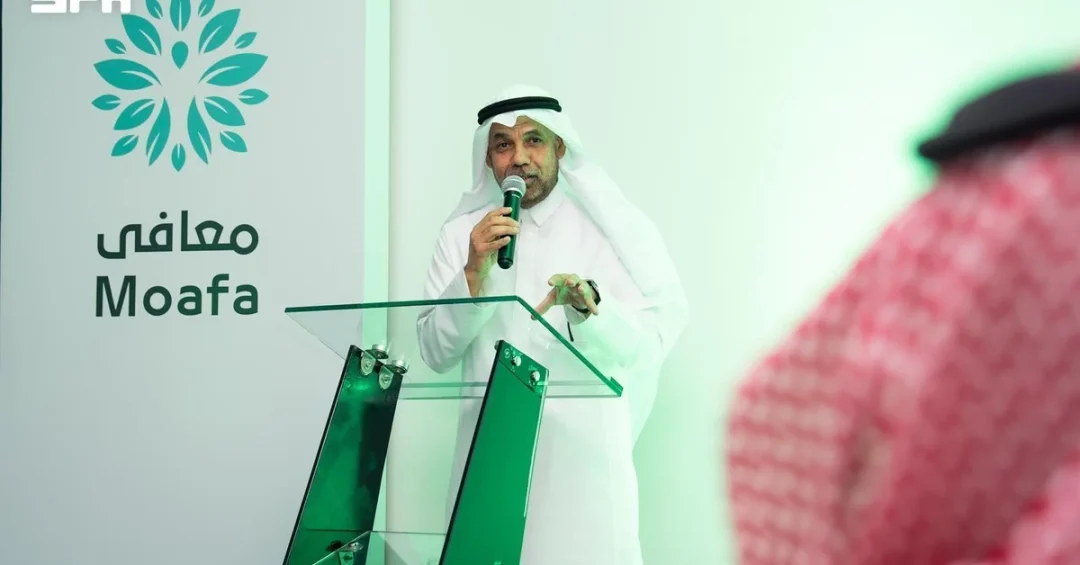
The “Moafa” community health initiative was launched in Makkah on Sunday, August 10, 2026, to provide treatment and cataract surgery for residents and pilgrims to the Two Holy Mosques, aiming to improve beneficiaries’ quality of life and establish an integrated model that combines healthcare with humanitarian impact. The launch ceremony, held at the headquarters of the Hajj and Umrah Performers Association in Makkah, coincided with International Ophthalmologist Day and introduced the initiative’s vision, objectives, and the roles of participating entities.
Context and Background
The “Moafa” initiative represents a community partnership bringing together the nonprofit, government, and private sectors, reflecting the collaborative spirit that defines many of Saudi Arabia’s social development programs. Cataract, a leading cause of reversible blindness worldwide, disproportionately affects aging populations and can severely impact quality of life if left untreated. In Makkah, the constant influx of pilgrims from around the world adds a unique dimension to healthcare needs, as the city hosts millions of visitors annually for Hajj and Umrah. The initiative’s launch on International Ophthalmologist Day underscores its alignment with global health awareness efforts and Saudi Arabia’s commitment to serving both residents and guests of the Two Holy Mosques.
Key Details
The initiative aims to provide cataract treatment and surgery for up to 1,000 beneficiaries, with an initial phase targeting the first 100 patients. The launch ceremony featured visual and informational presentations that documented beneficiaries’ experiences and illustrated the importance of integration among supporters, enablers, the managing entity, and medical teams. Participating partners affirmed that “Moafa” places beneficiaries at the center of its efforts, translating contributions into measurable healthcare outcomes while preserving their dignity. The initiative’s managing entity and partners emphasized that the model combines medical expertise with humanitarian values, ensuring that those in need receive high-quality care without financial burden.
Implications and Impact
The “Moafa” initiative is expected to have a profound impact on the health and well-being of Makkah’s residents and pilgrims, many of whom may lack access to specialized eye care. By restoring vision, the initiative enables beneficiaries to regain independence and improve their daily lives, contributing to broader social and economic benefits. On a regional level, it sets a precedent for cross-sector collaboration in healthcare, demonstrating how nonprofit, government, and private entities can unite to address critical health challenges. Internationally, the initiative enhances Saudi Arabia’s reputation as a compassionate host and a leader in humanitarian service, particularly in the context of the Two Holy Mosques.
Vision 2030 Alignment
The “Moafa” initiative aligns closely with Saudi Arabia’s Vision 2030, which prioritizes enhancing quality of life, promoting social responsibility, and strengthening the healthcare sector. By improving access to essential eye care and fostering partnerships across sectors, the initiative supports the Vision’s goals of a vibrant society and a thriving economy. It also reflects the Kingdom’s broader commitment to serving pilgrims and residents with dignity and excellence, reinforcing Saudi Arabia’s role as a global leader in humanitarian and health initiatives.
20 Questions
Q1. What is the “Moafa” community health initiative?
A1. The “Moafa” initiative is a community health program launched in Makkah to provide cataract treatment and surgery for residents and pilgrims, aiming to improve quality of life through cross-sector collaboration.
Q2. When and where was the initiative launched?
A2. It was launched on Sunday, August 10, 2026, in Makkah, with a ceremony at the headquarters of the Hajj and Umrah Performers Association, coinciding with International Ophthalmologist Day.
Q3. Who are the beneficiaries of the initiative?
A3. The beneficiaries include residents of Makkah and pilgrims visiting the Two Holy Mosques, with a target of up to 1,000 individuals receiving cataract treatment and surgery.
Q4. What is the main goal of the initiative?
A4. The main goal is to provide cataract treatment and surgery to improve beneficiaries’ quality of life and establish an integrated model that combines healthcare with humanitarian impact.
Q5. Which sectors are involved in the initiative?
A5. The initiative involves a partnership among the nonprofit, government, and private sectors, showcasing a collaborative approach to addressing healthcare needs in Makkah.
Q6. How many beneficiaries will be treated in the first phase?
A6. The initiative will begin its next main phase by targeting its first 100 beneficiaries before continuing efforts to reach the overall target of 1,000 beneficiaries.
Q7. What was highlighted at the launch ceremony?
A7. The ceremony introduced the initiative’s vision and objectives, highlighted the roles of participating entities, and featured presentations documenting beneficiaries’ experiences and the importance of integration among partners.
Q8. Why is the initiative significant for Makkah?
A8. Makkah hosts millions of pilgrims annually, and the initiative addresses a critical health need by providing eye care to residents and visitors, enhancing their well-being and ability to perform religious duties.
Q9. What is cataract and why is it important to treat?
A9. Cataract is a clouding of the eye’s lens that can lead to blindness if untreated. Treating it restores vision, improves quality of life, and reduces the burden on individuals and communities.
Q10. How does the initiative preserve beneficiaries’ dignity?
A10. By placing beneficiaries at the center of its efforts, the initiative ensures that contributions are translated into measurable healthcare outcomes while respecting the dignity of those receiving care.
Q11. What role do medical teams play in the initiative?
A11. Medical teams provide specialized cataract treatment and surgery, ensuring high-quality care and successful outcomes for beneficiaries throughout the program.
Q12. How does the initiative reflect Saudi Arabia’s humanitarian values?
A12. It embodies the Kingdom’s commitment to serving others, particularly pilgrims and residents, by offering essential healthcare services that improve lives and uphold human dignity.
Q13. What is the expected impact of the initiative on the community?
A13. The initiative is expected to restore vision for hundreds, enabling them to lead more independent lives, while fostering a model of cross-sector collaboration that can be replicated for other health issues.
Q14. How does the initiative align with Vision 2030?
A14. It supports Vision 2030’s goals of enhancing quality of life, promoting social responsibility, and strengthening healthcare, contributing to a vibrant society and a thriving economy.
Q15. What organizations are participating in the initiative?
A15. The initiative brings together nonprofit, government, and private sector entities, with the Hajj and Umrah Performers Association hosting the launch ceremony and various partners contributing resources and expertise.
Q16. Will the initiative expand to other regions?
A16. While the current focus is on Makkah, the integrated model could potentially be adapted to other regions in Saudi Arabia to address similar healthcare needs in the future.
Q17. How can individuals or organizations support the initiative?
A17. Interested parties can collaborate with the managing entity or participating partners to contribute resources, expertise, or funding, helping to expand the initiative’s reach and impact.
Q18. What makes the “Moafa” initiative unique?
A18. Its unique aspect is the integration of nonprofit, government, and private sectors to deliver measurable healthcare outcomes while preserving beneficiaries’ dignity, creating a sustainable model for community health.
Q19. How does the initiative contribute to Saudi Arabia’s global image?
A19. By providing humanitarian healthcare services to pilgrims and residents, the initiative enhances Saudi Arabia’s reputation as a compassionate and capable leader in global health and humanitarian efforts.
Q20. What are the long-term aspirations of the initiative?
A20. The initiative aspires to establish a replicable model for integrated healthcare that improves quality of life, supports Vision 2030, and demonstrates Saudi Arabia’s commitment to serving humanity with excellence and dignity.
Reader Feedback
We value your thoughts. Please share your feedback on this article.
Your feedback helps us improve our coverage.