


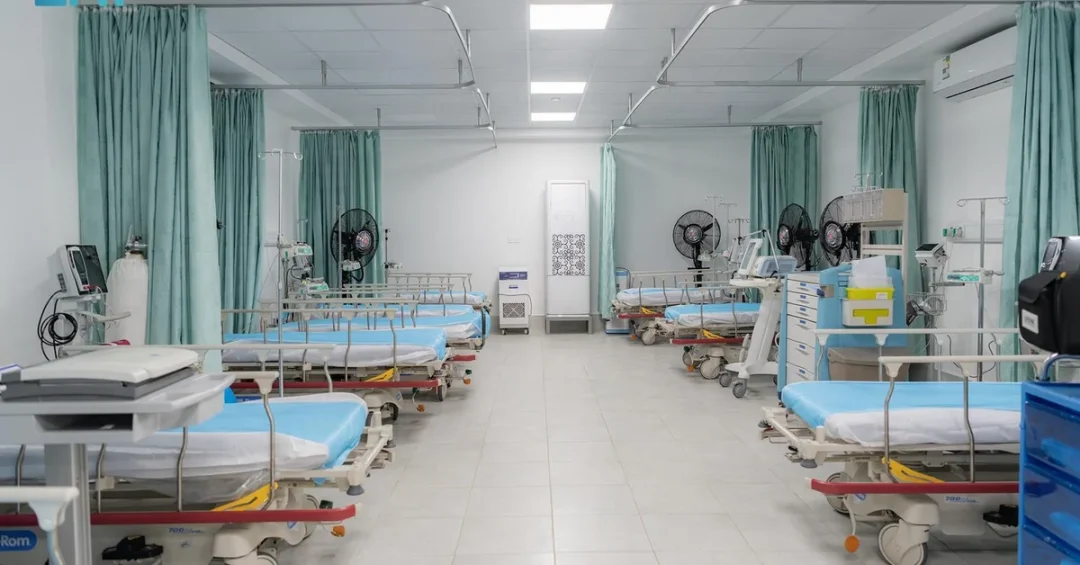
The Health Affairs Department of the Ministry of the National Guard has prioritized heat stress management within its comprehensive preparations to serve pilgrims during the Hajj season, aligning with the efforts of other government sectors to ensure a safe and healthy pilgrimage for all. The department is deploying a robust network of medical facilities across the holy sites, including Mina and Arafat, as part of a coordinated national effort to safeguard the well-being of millions of pilgrims performing Hajj.
Context and Background
The Hajj pilgrimage represents one of the largest annual mass gatherings in the world, drawing millions of Muslims from across the globe to the Kingdom of Saudi Arabia. The Ministry of the National Guard Health Affairs, a key healthcare provider within the Kingdom’s public health system, has consistently played a vital role in supporting the annual pilgrimage through specialized medical services.
This year’s plan reflects the Ministry’s ongoing commitment to enhancing healthcare delivery in the holy sites, with a particular emphasis on addressing heat-related health risks. The preparations are part of a broader, integrated government strategy that involves multiple ministries and agencies working in unison to provide a safe and spiritually fulfilling experience for pilgrims.
Key Details
According to the Saudi Press Agency, the department is deploying medical facilities across the holy sites, including Mina and Arafat. These facilities will comprise five clinics designated for men, women, and people with respiratory illnesses. Notably, 26 inpatient beds will be available, including dedicated intensive care units and isolation rooms for infectious diseases. Additionally, a dedicated space for minor surgeries and dressings, along with a dental clinic, will be operational.
Furthermore, the Ministry will participate for the second consecutive year in the Heat Stress and Sunstroke Center located in Arafat. This state-of-the-art facility boasts 20 beds equipped with the latest technology to manage heat-related emergencies. Notably, the center features an air and water spray distribution system designed to cool the entire body effectively. Clinics for both genders and an outpatient pharmacy will also be available within the center.
Implications and Impact
The Ministry of the National Guard Health Affairs’ preparations underscore Saudi Arabia’s commitment to leveraging advanced medical capabilities to ensure the health and safety of pilgrims. The focus on heat stress management is particularly significant given the high temperatures often experienced in the region during Hajj. By investing in specialized facilities and equipment, the Kingdom is setting a global benchmark for mass gathering medicine.
This initiative not only enhances the pilgrimage experience but also demonstrates the Kingdom’s readiness to handle health emergencies during large-scale events. It reinforces Saudi Arabia’s position as a leader in healthcare innovation and its dedication to the well-being of all visitors.
Vision 2030 Alignment
These efforts are directly aligned with Saudi Vision 2030, which seeks to enhance the quality of life for citizens and visitors alike, and to strengthen the Kingdom’s capacity to host millions of pilgrims annually. By prioritizing healthcare and safety, the Ministry of the National Guard Health Affairs contributes to the Vision’s objectives of improving public services and showcasing Saudi Arabia’s organizational excellence on the global stage.
20 Questions
Q1. What is the main focus of the Ministry of the National Guard Health Affairs’ preparations for Hajj?
A1. The main focus is heat stress management, along with comprehensive medical services to ensure a safe and healthy pilgrimage for all pilgrims during the Hajj season.
Q2. Which holy sites will have medical facilities deployed by the Ministry?
A2. Medical facilities will be deployed across the holy sites, including Mina and Arafat, to provide accessible healthcare to pilgrims.
Q3. How many clinics will be available in the medical facilities?
A3. There will be five clinics designated for men, women, and people with respiratory illnesses, ensuring specialized care for different groups.
Q4. How many inpatient beds will be available?
A4. A total of 26 inpatient beds will be available, including dedicated intensive care units and isolation rooms for infectious diseases.
Q5. What specialized services will be offered in addition to inpatient care?
A5. A dedicated space for minor surgeries and dressings, along with a dental clinic, will be operational to address various medical needs.
Q6. What is the Heat Stress and Sunstroke Center in Arafat?
A6. It is a state-of-the-art facility with 20 beds equipped with the latest technology to manage heat-related emergencies, featuring an air and water spray distribution system.
Q7. How many beds are available at the Heat Stress and Sunstroke Center?
A7. The center boasts 20 beds, all equipped with advanced technology to effectively treat heat stress and sunstroke cases.
Q8. What unique feature does the Heat Stress and Sunstroke Center have?
A8. It features an air and water spray distribution system designed to cool the entire body effectively, enhancing patient comfort and recovery.
Q9. Are there clinics for both genders at the center?
A9. Yes, clinics for both genders and an outpatient pharmacy are available within the center to cater to all pilgrims.
Q10. For how many years has the Ministry participated in the Heat Stress and Sunstroke Center?
A10. The Ministry is participating for the second consecutive year, demonstrating its ongoing commitment to addressing heat-related health risks during Hajj.
Q11. Why is heat stress management particularly important during Hajj?
A11. Heat stress management is crucial due to the high temperatures in the region, which can pose serious health risks to pilgrims performing outdoor rituals.
Q12. How does this initiative align with Saudi Vision 2030?
A12. It aligns with Vision 2030 by enhancing quality of life, improving public services, and strengthening the Kingdom’s capacity to host millions of pilgrims safely.
Q13. What role does the Ministry of the National Guard Health Affairs play in the Hajj?
A13. It provides specialized medical services and facilities to ensure the health and safety of pilgrims, supporting the overall national effort.
Q14. Are there isolation rooms for infectious diseases?
A14. Yes, the facilities include isolation rooms for infectious diseases to prevent the spread of illnesses and protect public health.
Q15. What kind of technology is used at the Heat Stress and Sunstroke Center?
A15. The center uses the latest technology, including an air and water spray distribution system, to effectively manage heat-related emergencies.
Q16. Will there be a pharmacy available for pilgrims?
A16. Yes, an outpatient pharmacy will be available within the Heat Stress and Sunstroke Center to provide necessary medications.
Q17. How does this initiative reflect Saudi Arabia’s leadership in healthcare?
A17. It showcases the Kingdom’s advanced medical capabilities and its commitment to leveraging technology and expertise for the well-being of all visitors.
Q18. What other government sectors are involved in Hajj preparations?
A18. Multiple government sectors collaborate to ensure a safe pilgrimage, including health, security, and transportation agencies, as part of an integrated national strategy.
Q19. What is the significance of the dental clinic during Hajj?
A19. The dental clinic provides essential oral healthcare services, addressing dental emergencies and ensuring pilgrims’ overall well-being during the pilgrimage.
Q20. How does the Ministry ensure the effectiveness of its Hajj medical services?
A20. By deploying state-of-the-art facilities, specialized clinics, and trained medical personnel, the Ministry ensures high-quality care and continuous improvement based on experience.
Reader Feedback
We value your thoughts. Please share your feedback on this article.
Your feedback helps us improve our coverage.