


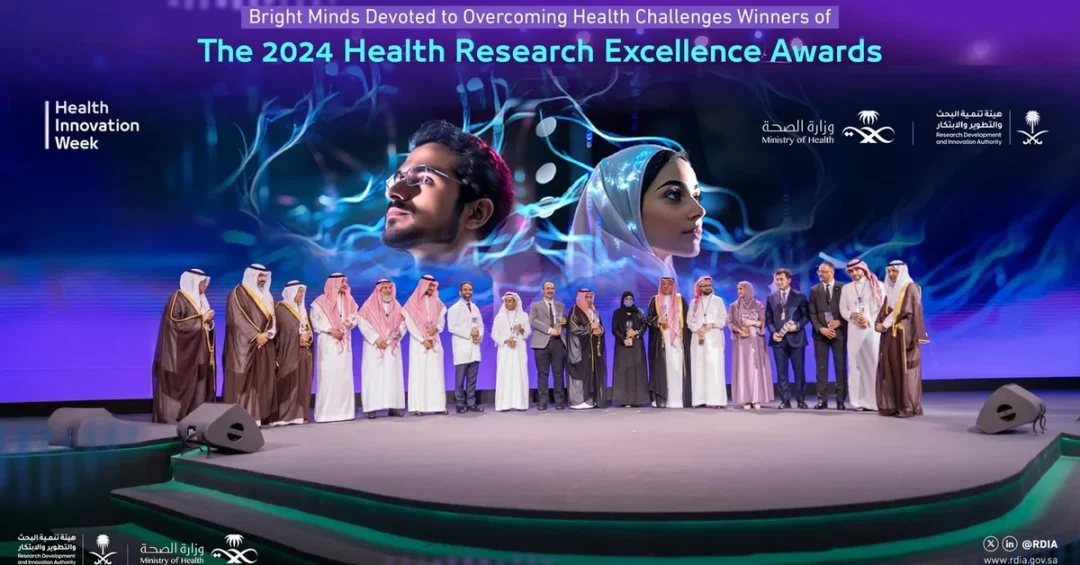
The Research, Development, and Innovation Authority (RDIA) has launched a series of national initiatives during Health Innovation Week, held as part of the Global Health Forum 2024 in Riyadh, aimed at strengthening Saudi Arabia’s research and innovation ecosystem to achieve health and wellness goals. The announcements, released via the Saudi Press Agency (SPA), underscore the Kingdom’s commitment to finding innovative solutions for local and global healthcare challenges, a key priority within the research, development, and innovation sector.
What do these initiatives mean for the future of healthcare in Saudi Arabia and beyond? The RDIA’s efforts signal a strategic shift toward a knowledge-based economy, where health research and innovation are central to national development. By aligning with Vision 2030 objectives, the Kingdom is positioning itself as a global leader in scientific advancement, fostering a healthier community and investing in an innovative environment that attracts talent and investment.
Context and Background
Why has Saudi Arabia placed such a strong emphasis on health innovation at this moment in its development? The Research, Development, and Innovation Authority (RDIA) was established to drive the Kingdom’s transition into a knowledge-driven economy, with health and wellness identified as a national priority. Health Innovation Week, part of the Global Health Forum 2024, serves as a platform to showcase Saudi Arabia’s progress and commitment to addressing pressing healthcare challenges through research and development.
The initiatives announced by the RDIA reflect a comprehensive approach to enhancing the health sector. They include national missions in collaboration with the Ministry of Health, the introduction of the Health Research Excellence Award, research grants for health and wellness, and the launch of the National Research Alliance. Each initiative targets specific gaps in the research ecosystem, from funding to recognition to collaboration, ensuring a holistic strategy that supports both immediate and long-term goals.
These efforts are particularly significant given the global burden of non-communicable and infectious diseases. Saudi Arabia’s proactive stance not only addresses domestic health needs but also contributes to global health security. By investing in research and innovation, the Kingdom aims to reduce the incidence of diseases, improve prevention and treatment, and foster a healthier society, aligning with the broader objectives of Vision 2030 to enhance quality of life and economic diversification.
Key Details of the Initiatives
What specific measures are being taken to achieve these ambitious health goals? One of the most notable initiatives is the introduction of national missions in collaboration with the Ministry of Health. These missions focus on reducing the incidence of non-communicable and infectious diseases by 50% by 2035. This target is both ambitious and necessary, as non-communicable diseases such as diabetes and cardiovascular conditions, along with infectious diseases, pose significant health and economic burdens. The missions aim to improve the quality of prevention and treatment, ultimately fostering a healthier community.
In recognition of outstanding contributions to health research, the RDIA introduced the Health Research Excellence Award. In the Lifetime Achievement Category, esteemed professors Ziad Memish, Rajaa Al-Raddadi, Yaseen Arabi, Fowzan Alkuraya, Hanan Balkhy, Mohamed Temsah, Mahmoud Al-Jurf, Jaffar Al-Tawfiq, Khalid Al-Habib, and Imad Tleyjah were honored. The Applied Innovation Category recognized Dr. Feras Khalil and Dr. Hani Najm, while the Innovative Companies Category celebrated the Saudi Pharmaceutical Industries & Medical Appliances Corporation, Tabuk Pharmaceuticals, and Jamjoom Pharma. These awards not only honor individual and corporate excellence but also inspire others to pursue innovation in healthcare.
Furthermore, the RDIA announced research grants in health and wellness as a national priority for the 2024 cycle, with funding of up to 120 million Saudi riyals for more than 100 health research groups. These grants are distributed through three national initiatives covering basic sciences, applied research, and emerging Saudi researchers. By investing in these areas, the Kingdom aims to enhance its leadership in scientific and research domains both regionally and internationally, while also developing an innovative environment that nurtures talent and fosters breakthroughs.
Additionally, the launch of the National Research Alliance, which includes over 30 entities and organizations across the Kingdom, seeks to unify research and innovation efforts in cancer research and the fight against infectious diseases. This collaborative approach is essential for maximizing impact, as it brings together diverse expertise and resources to tackle complex health challenges. The alliance supports scientific advancement and knowledge within the health and wellness sector, ensuring that Saudi Arabia remains at the forefront of medical research.
International and Regional Impact
How will these initiatives resonate beyond Saudi Arabia’s borders? The Kingdom’s commitment to health innovation has significant implications for the region and the wider world. By addressing non-communicable and infectious diseases through research and collaboration, Saudi Arabia contributes to global health security. The National Research Alliance, with its focus on cancer and infectious diseases, could serve as a model for other nations seeking to enhance their research ecosystems through multi-sector partnerships.
Regionally, Saudi Arabia’s leadership in health research and innovation strengthens its position as a hub for scientific excellence. The grants and awards attract talent from across the Middle East and beyond, fostering a culture of innovation that can spur economic growth and diversification. Moreover, the initiatives align with the World Health Organization’s goals and the United Nations Sustainable Development Goals, particularly those related to health and well-being, showcasing Saudi Arabia’s role as a responsible global citizen.
Internationally, the RDIA’s efforts enhance Saudi Arabia’s reputation as a forward-thinking nation dedicated to solving pressing health challenges. The collaborations and research funded by these initiatives have the potential to yield breakthroughs that benefit patients worldwide. By sharing knowledge and best practices, Saudi Arabia contributes to the global fight against diseases, reinforcing its commitment to international cooperation and humanitarian values.
Economic and Strategic Significance
Why are these health initiatives critical to Saudi Arabia’s economic and strategic future? Investing in health research and innovation is not only a matter of public health but also a strategic economic decision. A healthier population is more productive, reducing healthcare costs and boosting economic output. The RDIA’s grants and missions stimulate the growth of a knowledge-based economy, creating jobs in research, biotechnology, and pharmaceuticals. This aligns with Vision 2030’s goal of diversifying the economy away from oil dependence.
Moreover, the focus on emerging Saudi researchers and innovative companies nurtures local talent and entrepreneurship. By supporting basic sciences and applied research, the Kingdom builds a robust pipeline of innovations that can be commercialized, attracting foreign investment and fostering public-private partnerships. The National Research Alliance further strengthens the ecosystem by facilitating collaboration between academia, industry, and government, ensuring that research translates into tangible health and economic benefits.
Strategically, these initiatives position Saudi Arabia as a leader in global health diplomacy. By hosting events like the Global Health Forum and launching impactful programs, the Kingdom enhances its soft power and influence in international health policy. This is particularly important as the world recovers from the COVID-19 pandemic and seeks to build more resilient health systems. Saudi Arabia’s proactive approach demonstrates its readiness to contribute to global solutions, reinforcing its status as a key player on the world stage.
Vision 2030 Alignment
How do these initiatives embody the aspirations of Vision 2030? Saudi Arabia’s Vision 2030 is a comprehensive plan to transform the Kingdom into a diversified, innovative, and globally engaged economy. Health and wellness are integral to this vision, as they directly impact quality of life and human capital development. The RDIA’s initiatives, from national missions to research grants, are concrete steps toward achieving the vision’s objectives of enhancing healthcare, fostering innovation, and building a knowledge-based society.
By prioritizing health research and innovation, Saudi Arabia invests in its most valuable resource: its people. The initiatives not only aim to reduce disease burden but also to create an environment where scientific inquiry thrives. This aligns with Vision 2030’s emphasis on education, research, and development as drivers of progress. As the Kingdom continues to advance its health and wellness agenda, it sets a precedent for other nations, demonstrating how strategic investments in research can lead to healthier communities and sustainable economic growth.
In conclusion, the RDIA’s launch of these national initiatives during Health Innovation Week marks a significant milestone in Saudi Arabia’s journey toward achieving its health and wellness goals. By fostering collaboration, recognizing excellence, and funding cutting-edge research, the Kingdom is not only addressing immediate health challenges but also laying the foundation for a future where innovation and well-being are intertwined. As Saudi Arabia strides forward under Vision 2030, its leadership in health research will undoubtedly yield benefits that resonate locally, regionally, and globally.
20 Questions
Q1. What is the Research, Development, and Innovation Authority (RDIA)?
A1. The RDIA is a Saudi government entity established to drive the Kingdom’s research, development, and innovation ecosystem, aligning with Vision 2030 goals to diversify the economy and enhance global competitiveness.
Q2. What is Health Innovation Week?
A2. Health Innovation Week is part of the Global Health Forum 2024, a platform showcasing Saudi Arabia’s advancements in health research and innovation, bringing together experts to discuss solutions for healthcare challenges.
Q3. What are the national missions announced by the RDIA?
A3. The national missions, in collaboration with the Ministry of Health, aim to reduce non-communicable and infectious diseases by 50% by 2035, improving prevention and treatment quality.
Q4. Who received the Health Research Excellence Award in the Lifetime Achievement Category?
A4. Professors Ziad Memish, Rajaa Al-Raddadi, Yaseen Arabi, Fowzan Alkuraya, Hanan Balkhy, Mohamed Temsah, Mahmoud Al-Jurf, Jaffar Al-Tawfiq, Khalid Al-Habib, and Imad Tleyjah were honored.
Q5. Who were recognized in the Applied Innovation Category?
A5. Dr. Feras Khalil and Dr. Hani Najm received recognition for their contributions to applied innovation in healthcare.
Q6. Which companies were honored in the Innovative Companies Category?
A6. The Saudi Pharmaceutical Industries & Medical Appliances Corporation, Tabuk Pharmaceuticals, and Jamjoom Pharma were recognized for their innovative work in the health sector.
Q7. What is the total funding for the 2024 health research grants?
A7. The RDIA announced up to 120 million Saudi riyals in funding for more than 100 health research groups, distributed through three national initiatives.
Q8. What are the three national initiatives for research grants?
A8. The grants cover basic sciences, applied research, and emerging Saudi researchers, aiming to enhance the Kingdom’s leadership in scientific domains.
Q9. What is the National Research Alliance?
A9. The National Research Alliance includes over 30 entities across Saudi Arabia, unifying efforts in cancer research and the fight against infectious diseases to support scientific advancement.
Q10. How does the National Research Alliance benefit healthcare?
A10. By bringing together diverse organizations, the alliance maximizes resources and expertise, accelerating breakthroughs in cancer and infectious disease research for better health outcomes.
Q11. Why is reducing non-communicable diseases a priority?
A11. Non-communicable diseases like diabetes and heart disease pose significant health and economic burdens; reducing them improves quality of life and supports economic productivity.
Q12. How do these initiatives align with Vision 2030?
A12. They support Vision 2030’s goals of enhancing healthcare, fostering innovation, and building a knowledge-based economy, directly improving quality of life and human capital.
Q13. What impact will these initiatives have on Saudi Arabia’s economy?
A13. They stimulate growth in research, biotechnology, and pharmaceuticals, creating jobs and attracting investment, aligning with economic diversification goals.
Q14. How do these initiatives enhance Saudi Arabia’s global standing?
A14. By contributing to global health security and scientific knowledge, Saudi Arabia reinforces its role as a responsible global leader and strengthens international collaborations.
Q15. What role does the Ministry of Health play in these missions?
A15. The Ministry of Health collaborates with RDIA on national missions, providing expertise and infrastructure to achieve disease reduction targets and improve public health.
Q16. How can researchers benefit from the RDIA grants?
A16. Researchers can apply for funding through the three national initiatives, gaining support for basic sciences, applied research, or as emerging Saudi researchers, fostering innovation.
Q17. What is the significance of the Health Research Excellence Award?
A17. The award recognizes outstanding contributions, inspires excellence, and highlights the importance of research and innovation in advancing healthcare in Saudi Arabia.
Q18. How does the National Research Alliance foster collaboration?
A18. It unites over 30 entities, including universities and companies, to share knowledge and resources, accelerating research in cancer and infectious diseases.
Q19. What are the long-term goals of these initiatives?
A19. The long-term goals include reducing disease incidence by 50% by 2035, establishing Saudi Arabia as a global leader in health research, and improving community well-being.
Q20. How can international partners engage with these initiatives?
A20. International partners can collaborate through the National Research Alliance, participate in joint research, or leverage Saudi Arabia’s innovative ecosystem to address global health challenges.
Reader Feedback
We value your thoughts. Please share your feedback on this article.
Your feedback helps us improve our coverage.