


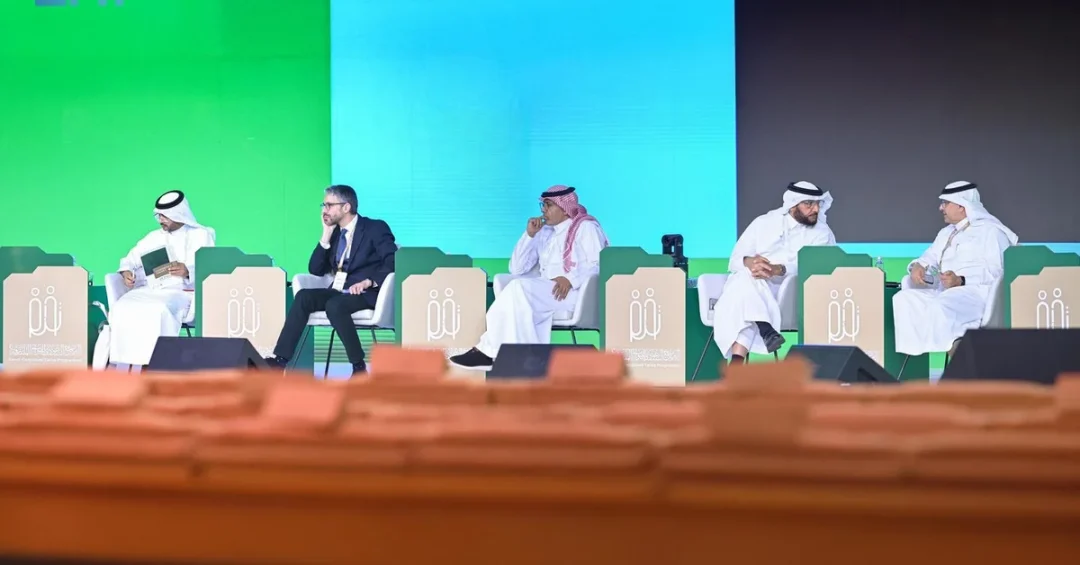
Riyadh, November 25, 2024 — The second session of the International Conference on Conjoined Twins, held in Riyadh, brought together leading medical experts to explore advanced practices and technologies for treating and separating conjoined twins. Organised under the auspices of Saudi Arabia’s health authorities and reported by the Saudi Press Agency (SPA), the session highlighted the Kingdom’s growing role as a global hub for specialised paediatric surgery and medical innovation. The conference, which commenced yesterday, featured in-depth discussions on topics ranging from multimodal imaging for surgical planning in cranial twin separations to the management of cardiovascular malformations in complex cases.
Could Saudi Arabia be redefining the future of complex surgical care on the world stage? The Riyadh gathering suggests exactly that, as specialists from around the world convened to share experiences and push the boundaries of what is medically possible. The session underscored the importance of integrating cutting-edge technologies such as virtual reality and regenerative medicine into surgical planning and execution, reflecting a broader commitment to advancing healthcare excellence in line with the Kingdom’s Vision 2030 objectives. The event also served as a platform for highlighting Saudi Arabia’s leadership in hosting high-stakes medical conferences that foster international collaboration and knowledge exchange.
Context and Background
Isn’t it remarkable how far medical science has come in addressing one of the most challenging congenital conditions? Conjoined twins represent a rare and complex medical phenomenon, occurring in approximately one in every 50,000 to 200,000 births worldwide. The condition poses significant surgical, ethical, and logistical challenges, often requiring multidisciplinary teams and months of meticulous planning. Saudi Arabia has emerged as a pioneer in this field, with its dedicated program for conjoined twin separation earning international acclaim for its high success rates and patient-centred approach.
The International Conference on Conjoined Twins, now in its second session, builds on the Kingdom’s rich legacy of hosting experts from diverse medical disciplines. The event is organised by the Ministry of Health and supported by leading Saudi medical institutions, including the King Abdulaziz Medical City and the King Faisal Specialist Hospital and Research Centre. These institutions have been at the forefront of numerous successful separation surgeries, many of which involved twins from underserved regions who received care free of charge as part of Saudi Arabia’s humanitarian outreach. The conference aims to consolidate this expertise and disseminate best practices to a global audience.
What does it take to bring together the world’s brightest minds in such a specialised field? The answer lies in Saudi Arabia’s strategic vision to position itself as a knowledge hub. By hosting this conference, the Kingdom not only showcases its medical capabilities but also reinforces its commitment to international cooperation and humanitarian service. The sessions delve into preoperative preparation, anaesthesia readiness, and the decision-making processes that determine the timing and strategy for separation surgeries — all critical components that can mean the difference between life and death for these vulnerable patients.
Advanced Techniques and Key Discussions
How are emerging technologies transforming the landscape of conjoined twin separation? The second session placed a strong emphasis on multimodal imaging, which combines various radiological techniques to create detailed anatomical maps of twins’ shared structures. Experts discussed how this approach enhances surgical planning, particularly in cranial twin separations where the sharing of blood vessels and brain tissue demands extraordinary precision. Radiological assessments were also highlighted as essential tools for evaluating the extent of organ sharing and identifying potential complications before surgery.
Cardiovascular malformations in conjoined twins present another layer of complexity. The session featured detailed presentations on managing cardiac challenges during separation procedures, including strategies for handling shared circulatory systems and ensuring haemodynamic stability. Participants explored how virtual reality (VR) simulations allow surgeons to rehearse complex procedures in a risk-free environment, improving outcomes and reducing operative time. Regenerative medicine was another focal point, with discussions on using stem cells and tissue engineering to promote healing and reconstruct defects after separation. These innovations reflect a paradigm shift toward more personalised and less invasive approaches.
What role does preoperative preparation play in the success of these surgeries? According to the experts, it is paramount. Comprehensive assessments, including genetic testing, imaging, and functional evaluations, are conducted to determine the feasibility and timing of separation. Anaesthesia readiness is equally critical, as conjoined twins often share vital organs and require tailored anaesthetic protocols. The decision-making process involves a multidisciplinary team of surgeons, anaesthesiologists, cardiologists, and ethicists who weigh the risks and benefits for each twin. This holistic approach ensures that every possible measure is taken to optimise outcomes and uphold the highest standards of care.
International and Regional Impact
Could Saudi Arabia’s leadership in this niche field inspire broader regional collaboration? The conference has attracted participation from renowned medical centres across the Middle East, Asia, Africa, and beyond, fostering a spirit of shared purpose. Many attendees noted that Saudi Arabia’s model of providing free, world-class care to conjoined twins from developing countries serves as a beacon of humanitarianism. This approach not only saves lives but also builds goodwill and strengthens diplomatic ties. The Kingdom’s success stories, such as the separation of twins from war-torn nations, have been widely covered in international media, enhancing its reputation as a global health leader.
The ripple effects extend to medical education and training. By sharing its protocols and research, Saudi Arabia is helping to build capacity in other countries, enabling them to better manage complex cases locally. The conference also provides a platform for young Saudi physicians and researchers to learn from global experts, furthering the Kingdom’s goal of developing a knowledge-based economy. In a region often associated with conflict, this medical diplomacy offers a refreshing narrative of cooperation and progress.
How does this align with Saudi Arabia’s broader geopolitical stance? The Kingdom has increasingly positioned itself as a mediator and humanitarian actor, and its medical initiatives are a testament to that role. The conference underscores Saudi Arabia’s commitment to addressing global health challenges, consistent with its Vision 2030 goal of enhancing international partnerships and contributing to sustainable development. By leading in this specialised area, Saudi Arabia not only gains soft power but also sets a benchmark for excellence that other nations aspire to.
Economic and Strategic Significance
What economic benefits arise from hosting such a high-profile medical conference? Beyond the immediate boost to Riyadh’s hospitality and service sectors, the event catalyses investment in healthcare infrastructure and research. Saudi Arabia is actively building a robust medical tourism industry, and its expertise in conjoined twin separation is a unique selling point. Patients from around the world may seek treatment in the Kingdom, contributing to the economy and reinforcing the goal of diversifying revenue streams away from oil.
Strategically, the conference reinforces Saudi Arabia’s ambition to be a leader in science and technology. The integration of VR and regenerative medicine into surgical practice showcases the Kingdom’s embrace of innovation, a core pillar of Vision 2030. It also attracts global talent and fosters collaborations that can lead to breakthroughs with far-reaching applications. As Saudi Arabia invests in research and development, its universities and hospitals are becoming hubs for cutting-edge studies, further elevating its status in the global medical community.
Isn’t it compelling to see how a single medical specialty can drive multiple national objectives? The conference is not just about surgery; it is about demonstrating Saudi Arabia’s capacity to organise, innovate, and lead on issues of global importance. The knowledge exchanged here will ultimately improve patient care worldwide, but it also serves as a powerful statement of the Kingdom’s modernization and its willingness to share its blessings with humanity.
Vision 2030 Alignment
How does the International Conference on Conjoined Twins fit into Saudi Arabia’s long-term vision? Vision 2030 seeks to transform the Kingdom into a diversified, knowledge-driven economy with world-class public services. Healthcare is a key focus area, with goals to improve quality, accessibility, and innovation. This conference directly supports those aims by promoting research, fostering international partnerships, and showcasing Saudi expertise. It also aligns with the Human Capability Development Program, which aims to empower citizens with skills for the future and enhance the Kingdom’s global competitiveness.
Moreover, the event reflects the values of compassion and generosity that are central to Saudi society. By offering free care to families in need and sharing knowledge openly, Saudi Arabia embodies the spirit of Vision 2030, which is not only about economic growth but also about social responsibility and global citizenship. As the conference concludes, it leaves behind a legacy of hope and a clear message: Saudi Arabia is ready to lead in the frontiers of medicine and humanitarianism.
20 Questions
Q1. What was the main focus of the second session of the International Conference on Conjoined Twins?
A1. The second session focused on advanced medical practices and technologies for treating and separating conjoined twins, including multimodal imaging, radiological assessments, and managing cardiovascular malformations.
Q2. Where and when was the second session held?
A2. The second session was held in Riyadh, Saudi Arabia, on November 24, 2024, as reported by the Saudi Press Agency on November 25, 2024.
Q3. What is multimodal imaging and why is it important in twin separation?
A3. Multimodal imaging combines various radiological techniques to create detailed anatomical maps of shared structures, aiding surgical planning, especially in cranial twin separations where precision is critical.
Q4. How does virtual reality contribute to surgical planning?
A4. Virtual reality allows surgeons to rehearse complex separation procedures in a risk-free environment, improving outcomes and reducing operative time through enhanced preparation.
Q5. What role does regenerative medicine play in conjoined twin treatment?
A5. Regenerative medicine uses stem cells and tissue engineering to promote healing and reconstruct defects after separation, supporting less invasive and more personalised approaches.
Q6. Why is preoperative preparation crucial for conjoined twin separation?
A6. Comprehensive assessments, including genetic testing and imaging, determine the feasibility and timing of surgery, while anaesthesia readiness ensures tailored protocols for twins who may share vital organs.
Q7. What cardiovascular challenges are addressed during twin separation?
A7. Experts discussed managing shared circulatory systems and ensuring haemodynamic stability, highlighting strategies to address cardiac malformations and complications during surgery.
Q8. How does Saudi Arabia demonstrate leadership in this medical field?
A8. Saudi Arabia hosts the conference, provides free care to conjoined twins from underserved regions, and shares its expertise globally, reinforcing its role as a pioneer in complex paediatric surgery.
Q9. What is the significance of the conference for international collaboration?
A9. It brings together experts from various countries to exchange knowledge and best practices, fostering global partnerships and advancing the field of conjoined twin separation.
Q10. How does the conference align with Vision 2030?
A10. It supports Vision 2030 by promoting healthcare innovation, international partnerships, and knowledge exchange, aligning with goals to diversify the economy and enhance global competitiveness.
Q11. What humanitarian impact does Saudi Arabia’s program have?
A11. By offering free, world-class care to twins from developing countries, Saudi Arabia saves lives, builds goodwill, and strengthens diplomatic ties, showcasing its humanitarian values.
Q12. What topics were discussed regarding radiological assessments?
A12. Discussions covered how radiological assessments evaluate organ sharing and identify potential complications, essential for planning safe separation surgeries.
Q13. Who organised the conference?
A13. The conference was organised by Saudi Arabia’s Ministry of Health, with support from leading institutions like King Abdulaziz Medical City and King Faisal Specialist Hospital and Research Centre.
Q14. How does the conference benefit Saudi medical professionals?
A14. It provides a platform for young Saudi physicians and researchers to learn from global experts, enhancing their skills and contributing to the development of a knowledge-based economy.
Q15. What is the economic significance of hosting such conferences?
A15. It boosts local hospitality and service sectors, attracts medical tourism, and catalyses investment in healthcare infrastructure and research, supporting economic diversification.
Q16. How does Saudi Arabia’s approach to conjoined twins reflect its values?
A16. It embodies compassion and generosity, central to Saudi society, by providing free care and sharing knowledge, in line with Vision 2030’s social responsibility goals.
Q17. What are the success rates of Saudi Arabia’s twin separation program?
A17. Saudi Arabia’s program has earned international acclaim for high success rates, though specific figures vary by case complexity and are reported by official sources.
Q18. How might this conference influence global medical practices?
A18. By disseminating best practices and innovative techniques, it can improve outcomes worldwide, setting new standards for conjoined twin care and surgical planning.
Q19. What future developments can be expected in this field?
A19. Continued integration of VR, regenerative medicine, and AI-driven imaging is expected, along with expanded international collaborations and research initiatives led by Saudi institutions.
Q20. How can the public learn more about Saudi Arabia’s medical initiatives?
A20. Official information is available through the Saudi Press Agency, Ministry of Health announcements, and institutional websites, which regularly report on conferences and achievements.
Reader Feedback
We value your thoughts. Please share your feedback on this article.
Your feedback helps us improve our coverage.