


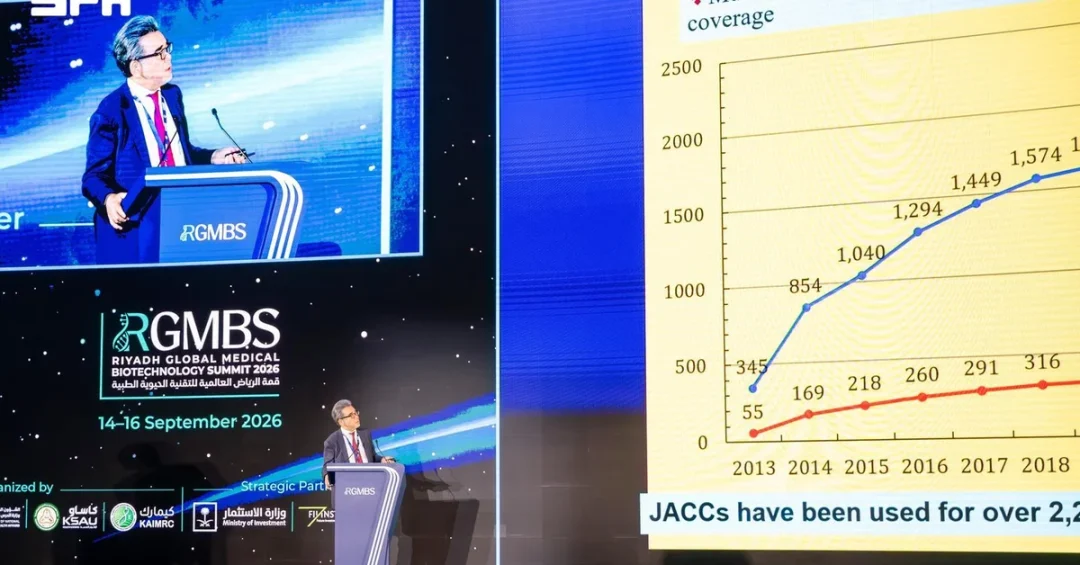
Riyadh, September 16, 2026 — The Riyadh Global Medical Biotechnology Summit 2026 (RGMBS) continued its second day of activities in the Saudi capital, convening scientists, investors, and policymakers for a series of scientific sessions dedicated to the future of biotechnology, investment in the sector, and the development of research, innovation, and biomanufacturing ecosystems. The sessions, held under the umbrella of Saudi Arabia’s National Biotechnology Strategy, addressed immunology, bioengineering, and synthetic biology, underscoring the Kingdom’s growing role as a global hub for life sciences and advanced healthcare innovation.
Context and Background
The Riyadh Global Medical Biotechnology Summit, now in its 2026 edition, has established itself as a premier international platform for advancing medical biotechnology. Its second day featured discussions on how emerging technologies can be harnessed to address some of the world’s most pressing health challenges. The event reflects Saudi Arabia’s broader commitment to diversifying its economy and building a knowledge-based society, as outlined in Vision 2030.
Central to these efforts is the National Biotechnology Strategy, launched by Crown Prince Mohammed bin Salman in 2024, which aims to position the Kingdom among the global leaders in biotechnology by 2030 and 2040. The strategy targets significant contributions to the national GDP, the creation of high-skilled jobs, and the localization of advanced therapies.
Key Details
During the second day, several sessions explored how artificial intelligence (AI) can accelerate scientific research and innovation in biotechnology. Participants highlighted opportunities to support the development of biological solutions and applications, including AI-driven drug discovery and precision medicine. The discussions emphasized the importance of integrating AI into research pipelines to reduce costs and time-to-market for new therapies.
The sessions also focused on the future of immunology, including cancer immunology and the interactions between the immune and nervous systems. Experts examined the implications of scientific advances for understanding diseases and improving diagnosis and treatment. These conversations are particularly relevant as the Kingdom invests in personalized medicine and advanced diagnostics.
Another major theme was the role of bioengineering and synthetic biology in supporting the National Biotechnology Strategy. Participants discussed building research capabilities, genetic systems engineering, and gene-editing technologies, including CRISPR, to develop cell-based therapies. Such technologies hold promise for treating genetic disorders and cancers, aligning with Saudi Arabia’s ambitions to become a regional leader in biomanufacturing.
Implications and Impact
The outcomes of the Riyadh Global Medical Biotechnology Summit are expected to bolster Saudi Arabia’s position as a destination for biotechnology investment and talent. By fostering collaboration between international researchers, local institutions, and private sector players, the event supports the creation of a robust biotech ecosystem. This, in turn, can drive economic growth, enhance healthcare resilience, and contribute to global scientific progress.
Regionally, the summit reinforces Saudi Arabia’s leadership in health innovation and its capacity to address shared challenges, such as pandemic preparedness and non-communicable diseases. It also signals to global investors that the Kingdom offers a stable, well-regulated environment for biotech ventures, with strong government backing and a clear strategic vision.
Vision 2030 Alignment
The Riyadh Global Medical Biotechnology Summit directly advances Vision 2030 by promoting economic diversification, knowledge transfer, and the development of a skilled workforce. The National Biotechnology Strategy is a key pillar of this transformation, aiming to localize cutting-edge therapies, attract international partnerships, and improve health outcomes for citizens and residents. As the Kingdom continues to invest in science, technology, and innovation, events like RGMBS demonstrate Saudi Arabia’s resolve to shape the future of global health and contribute to a more sustainable, prosperous world.
20 Questions
Q1. What is the Riyadh Global Medical Biotechnology Summit 2026?
A1. It is a major international conference held in Riyadh, Saudi Arabia, focused on advancements in medical biotechnology, investment opportunities, and innovation ecosystems. The 2026 edition featured scientific sessions on immunology, bioengineering, AI, and synthetic biology, bringing together experts from around the world.
Q2. When and where did the summit take place?
A2. The summit took place in Riyadh, Saudi Arabia, in September 2026. It spanned multiple days, with the second day highlighted by sessions on the future of biotechnology, investment, and research development, as reported by the Saudi Press Agency.
Q3. What is the National Biotechnology Strategy?
A3. The National Biotechnology Strategy is a Saudi initiative launched in 2024 to position the Kingdom as a global leader in biotechnology by 2030 and 2040. It aims to boost GDP, create jobs, and localize advanced therapies, supporting Vision 2030 goals.
Q4. How does AI contribute to biotechnology?
A4. AI accelerates scientific research by analyzing vast datasets, predicting molecular interactions, and optimizing drug discovery. It enables faster development of biological solutions and applications, reducing costs and time-to-market, as discussed at the summit.
Q5. What topics were covered on the second day?
A5. The second day covered the future of biotechnology and investment, research and innovation ecosystems, biomanufacturing, immunology, bioengineering, synthetic biology, and the role of AI in advancing the sector, according to official sessions.
Q6. Why is immunology important in biotechnology?
A6. Immunology is crucial for understanding diseases and developing treatments, including cancer immunology and neuro-immune interactions. Advances in this field improve diagnosis and therapies, contributing to personalized medicine and better health outcomes globally.
Q7. What is bioengineering’s role in the National Biotechnology Strategy?
A7. Bioengineering supports the strategy by building research capabilities, enabling genetic systems engineering, and applying gene-editing technologies like CRISPR. This helps develop cell-based therapies and strengthens Saudi Arabia’s biomanufacturing sector.
Q8. What is CRISPR and why is it significant?
A8. CRISPR is a gene-editing technology that allows precise modifications to DNA. It is significant for developing cell-based therapies, treating genetic disorders, and advancing biotechnology, as highlighted in summit discussions on genetic engineering.
Q9. How does the summit support investment in biotechnology?
A9. The summit provides a platform for investors, researchers, and policymakers to collaborate, showcase innovations, and explore funding opportunities. It signals Saudi Arabia’s commitment to creating a stable, attractive environment for biotech investment.
Q10. What are biomanufacturing ecosystems?
A10. Biomanufacturing ecosystems involve the infrastructure, talent, and processes needed to produce biological products, such as therapeutics and vaccines. Developing these ecosystems is a key goal of the National Biotechnology Strategy to localize production.
Q11. How does the summit align with Vision 2030?
A11. The summit advances Vision 2030 by promoting economic diversification, knowledge transfer, and healthcare innovation. It supports the National Biotechnology Strategy, which aims to create jobs and localize advanced therapies, aligning with the Kingdom’s long-term goals.
Q12. What international participation was expected?
A12. The summit attracted global scientists, investors, and industry leaders, fostering international collaboration. Such participation enhances knowledge exchange and positions Saudi Arabia as a hub for biotechnology innovation and investment.
Q13. What are the economic benefits of biotechnology?
A13. Biotechnology drives economic growth through innovation, job creation, and export opportunities. It also reduces healthcare costs by localizing production and attracts foreign investment, contributing to GDP diversification as per Vision 2030.
Q14. How does AI support drug discovery?
A14. AI analyzes biological data to identify drug candidates, predict efficacy, and optimize clinical trials. This accelerates research, lowers costs, and increases success rates, as discussed in summit sessions on AI in biotechnology.
Q15. What is synthetic biology?
A15. Synthetic biology involves designing and engineering biological systems for useful purposes, such as producing drugs or biofuels. At the summit, its role in supporting the National Biotechnology Strategy and building research capabilities was examined.
Q16. Why is cancer immunology a focus area?
A16. Cancer immunology explores how the immune system can be harnessed to fight cancer. Advances here lead to innovative therapies like immunotherapy, improving treatment outcomes and offering hope to patients worldwide, including in Saudi Arabia.
Q17. What are cell-based therapies?
A17. Cell-based therapies involve using living cells to treat diseases. They include stem cell treatments and CAR-T therapy. Summit discussions highlighted CRISPR and bioengineering’s role in developing such therapies locally.
Q18. How does the summit promote innovation?
A18. By bringing together experts and showcasing cutting-edge research, the summit fosters collaboration, knowledge sharing, and the development of new technologies. It inspires participants to advance biotechnology and address global health challenges.
Q19. What is the significance of the summit for Saudi Arabia’s global role?
A19. The summit reinforces Saudi Arabia’s leadership in health innovation and its commitment to global scientific progress. It showcases the Kingdom’s ability to host major international events and contribute to solving global health issues.
Q20. What is the expected outcome of the summit?
A20. The summit is expected to strengthen partnerships, attract investment, and accelerate biotechnology advancements in line with the National Biotechnology Strategy. It supports Saudi Arabia’s journey toward becoming a global biotech leader by 2040.
Reader Feedback
We value your thoughts. Please share your feedback on this article.
Your feedback helps us improve our coverage.