


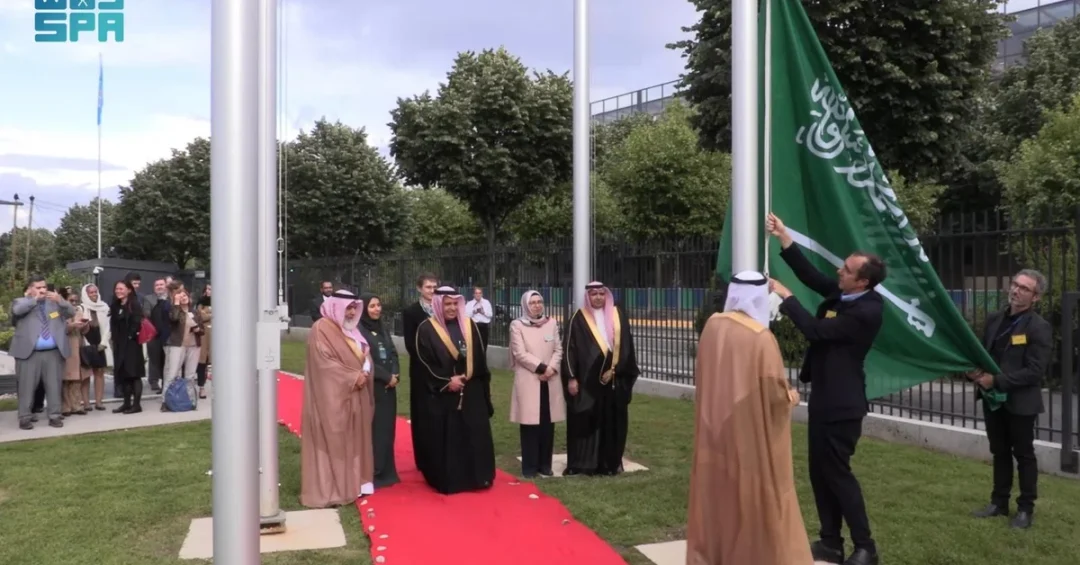
Saudi Arabia officially joined the International Agency for Research on Cancer (IARC), a specialized cancer research agency of the World Health Organization, during the 66th session of the agency’s Governing Council held in Lyon, France, on May 17, 2024. The announcement was made via the Saudi Press Agency (SPA), marking a significant step in the Kingdom’s commitment to global health cooperation and cancer control.
Context and Background
The International Agency for Research on Cancer (IARC) is a leading intergovernmental organization dedicated to cancer research, part of the World Health Organization. Its membership includes nations that collaborate on cancer surveillance, research, and prevention initiatives. Saudi Arabia’s accession to this prestigious body underscores its growing role in global health diplomacy. The Saudi Health Council’s Secretary General, Dr. Nahar Al-Azemi, led the Kingdom’s delegation at the council session, reflecting the importance Saudi Arabia places on advancing cancer prevention and control efforts both domestically and internationally.
Key Details
During the ceremony, Dr. Nahar Al-Azemi emphasized that Saudi Arabia’s membership in IARC reflects the nation’s leading role in disease prevention and control. He highlighted the Kingdom’s pioneering efforts in containing the spread of cancer and its complications through a rigorous scientific approach. The Saudi government has placed great emphasis on addressing cancer, covering preventive, therapeutic, and social aspects of the disease. The celebration was attended by Fahad Al-Ruwaily, Saudi Arabia’s ambassador to France and designated permanent representative to UNESCO, and key Saudi experts, including Mushabbab Ali Al-Asiri, General Director of the National Cancer Center; Ali Al-Zahrani, deputy director at the research center of King Faisal Specialist Hospital and Research Center; and Samar Al-Homoud, consultant colorectal surgeon and chair of the IARC Ethics Committee.
Implications and Impact
Saudi Arabia’s membership in IARC will enhance its ability to contribute to global cancer research and prevention strategies. It also opens avenues for collaborative research projects, data sharing, and access to the latest international findings. This move aligns with the Kingdom’s broader health sector goals, as it continues to invest in advanced healthcare infrastructure and research. The participation of Saudi experts in IARC’s committees, such as the Ethics Committee, signals a growing influence in shaping international health policies and ethical standards. This collaboration is expected to bring tangible benefits to cancer patients in Saudi Arabia and the region through improved knowledge transfer and best practices.
Vision 2030 Alignment
Joining IARC is a testament to Saudi Arabia’s commitment to building a vibrant society with a high quality of life, a key pillar of Vision 2030. By engaging actively in global health organizations, the Kingdom aims to enhance its healthcare sector, support innovation, and ensure the well-being of its citizens. This partnership underscores Saudi Arabia’s leadership in fostering international cooperation for health and sustainability, contributing to the realization of its ambitious vision for a healthier, more prosperous future.
20 Questions
Q1. What is the International Agency for Research on Cancer (IARC)?
A1. IARC is a specialized cancer research agency under the World Health Organization (WHO), focusing on cancer surveillance, research, and prevention. It collaborates with member countries to reduce the global burden of cancer.
Q2. When did Saudi Arabia officially join IARC?
A2. Saudi Arabia officially became a member during the 66th session of IARC’s Governing Council, which was held on May 17, 2024, in Lyon, France.
Q3. Who represented Saudi Arabia at the IARC celebration?
A3. The delegation was led by Dr. Nahar Al-Azemi, Secretary General of the Saudi Health Council, and included Ambassador Fahad Al-Ruwaily, along with other Saudi health experts.
Q4. What did Dr. Nahar Al-Azemi say about the membership?
A4. He remarked that joining IARC reflects Saudi Arabia’s leading role in disease prevention and control and its pioneering efforts in confronting cancer through a rigorous scientific approach.
Q5. Why is Saudi Arabia’s membership in IARC significant?
A5. It enhances the Kingdom’s participation in global cancer research and prevention, facilitating collaboration with international experts and improving cancer care outcomes domestically.
Q6. Which Saudi officials attended the event?
A6. Attendees included Fahad Al-Ruwaily, Mushabbab Ali Al-Asiri, Ali Al-Zahrani, and Samar Al-Homoud, along with other delegation members.
Q7. What is the role of the Saudi Health Council?
A7. The Saudi Health Council coordinates health policies and programs across Saudi Arabia, and its Secretary General led the delegation to the IARC meeting, emphasizing the Kingdom’s commitment to health cooperation.
Q8. How does this align with Saudi Arabia’s Vision 2030?
A8. Membership in IARC supports Vision 2030’s goal of improving healthcare and quality of life by enhancing Saudi Arabia’s engagement in global health initiatives and advancing research.
Q9. What does the National Cancer Center do?
A9. The National Cancer Center develops national cancer control strategies and collaborates with health institutions to improve cancer prevention, diagnosis, and treatment in Saudi Arabia.
Q10. Who is Samar Al-Homoud and what role does she play?
A10. She is a consultant colorectal surgeon at King Faisal Specialist Hospital and Research Center and chairs the IARC Ethics Committee, bringing expertise to international research ethics.
Q11. How might Saudi Arabia contribute to IARC?
A11. Saudi Arabia can contribute by sharing its cancer research data, participating in collaborative studies, and offering insights from its advanced healthcare system, benefiting global knowledge.
Q12. What are the benefits for Saudi Arabia?
A12. Benefits include access to international research networks, opportunities for joint research, and adoption of best practices in cancer prevention and treatment, improving health outcomes.
Q13. What is the role of the King Faisal Specialist Hospital in this?
A13. The hospital, a leading medical center in Saudi Arabia, provided key experts like Ali Al-Zahrani and Samar Al-Homoud, underscoring its role in advancing cancer research.
Q14. How does this affect cancer patients in Saudi Arabia?
A14. It may lead to improved treatment protocols, early detection methods, and access to cutting-edge therapies, ultimately enhancing patient care and survival rates.
Q15. What is IARC’s primary mission?
A15. IARC’s mission is to promote international collaboration in cancer research, assess causes, and develop strategies for prevention, aiming to reduce the global cancer burden.
Q16. Why is genetic research important in cancer?
A16. Genetic research helps identify inherited mutations that increase cancer risk, enabling personalized prevention and early intervention strategies for high-risk individuals.
Q17. How does Saudi Arabia support cancer research?
A17. Saudi Arabia invests in advanced research centers like King Faisal Specialist Hospital, supports national cancer registries, and encourages participation in global initiatives like IARC.
Q18. What was the venue for the IARC Governing Council meeting?
A18. The meeting took place in Lyon, France, the headquarters of IARC, during the 66th session of the Governing Council.
Q19. How does IARC collaborate with member states?
A19. IARC works with member states through data sharing, joint research projects, and scientific consultations to address cancer surveillance and prevention globally.
Q20. What does the future hold for Saudi Arabia and IARC?
A20. The future involves deeper collaboration on cancer research and prevention, with Saudi Arabia playing an active role in shaping global health policies and improving cancer outcomes worldwide.
Reader Feedback
We value your thoughts. Please share your feedback on this article.
Your feedback helps us improve our coverage.