


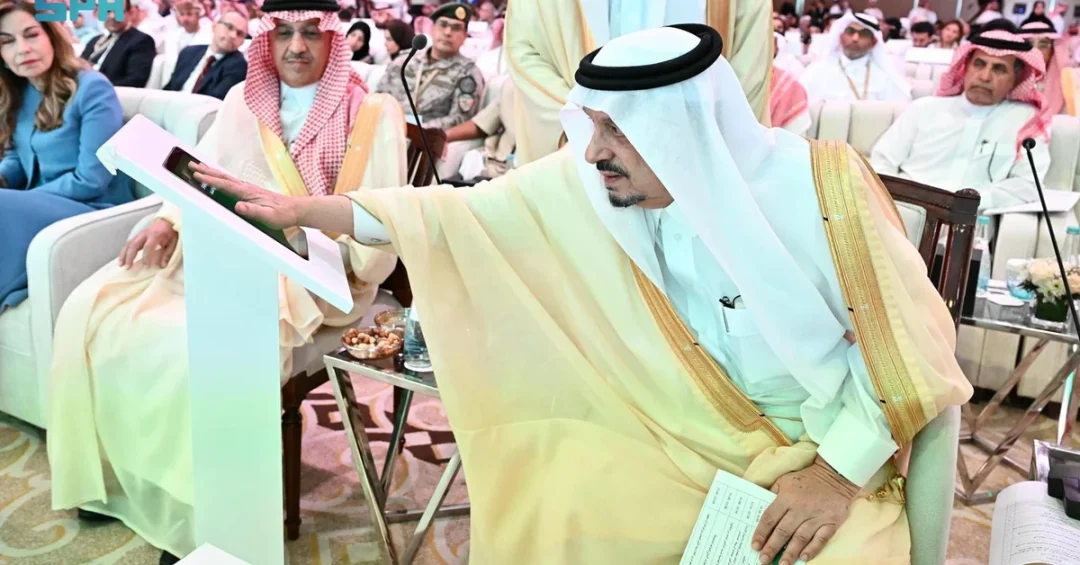
The Saudi Conjoined Twins Program has launched a new interactive website that documents more than three decades of pioneering humanitarian surgery, offering the public a transparent, engaging window into one of the Kingdom’s most remarkable medical achievements. The platform was inaugurated by Riyadh Region Governor Prince Faisal bin Bandar bin Abdulaziz during the International Conference on Conjoined Twins, held in Riyadh on November 24 and 25, 2024, according to the Saudi Press Agency. The website serves as a modern digital hub that combines video archives of successful separation surgeries, detailed statistical records, and profiles of the medical teams behind the program’s global impact.
Since its establishment in 1990 under the directive of the Saudi leadership, the program has become internationally recognized for providing free, complex surgical care to conjoined twins from around the world. The new website, accessible at https://sctp.ksrelief.org/home/index, reflects the Kingdom’s commitment to innovation, transparency, and humanitarian service. By presenting verified data and multimedia content in a user-friendly format, the platform allows researchers, journalists, medical professionals, and the general public to explore the program’s history and achievements in unprecedented detail.
Context and Background
How did a national medical initiative grow into one of the world’s most trusted references for conjoined twin separation? The answer lies in decades of sustained investment, specialized expertise, and a humanitarian philosophy rooted in Saudi Arabia’s leadership. Conjoined twins, medically known as craniopagus, thoracopagus, or omphalopagus twins depending on the point of fusion, represent one of the rarest and most complex congenital conditions. Separation surgeries require multidisciplinary teams, advanced imaging, meticulous planning, and often dozens of specialists working in unison. Few centers globally possess the capacity to perform such operations, and even fewer do so at no cost to families.
The Saudi Conjoined Twins Program was founded to fill that gap, initially serving patients within the Kingdom before expanding its reach across continents. Over the years, it has evaluated hundreds of cases from countries including Yemen, Sudan, Egypt, Syria, Morocco, Pakistan, and the Philippines, among others. The program operates under the umbrella of the King Salman Humanitarian Aid and Relief Centre (KSrelief), which coordinates logistics, travel, and post-operative care for international patients. This integration ensures that medical intervention is part of a broader humanitarian ecosystem that includes relief, rehabilitation, and international cooperation.
The launch of the website coincides with the International Conference on Conjoined Twins, an event that brought together surgeons, pediatric specialists, ethicists, and health officials from multiple countries. The conference provided a platform to discuss advances in surgical techniques, ethical considerations, and the importance of international collaboration. The website extends the conference’s impact by making its knowledge and data accessible year-round, reinforcing Saudi Arabia’s role as a convener of global medical dialogue.
Key Details of the New Digital Platform
What does the new website actually offer to visitors? According to official information released via the Saudi Press Agency, the platform features an interactive timeline that visually traces the history of the program’s successful surgeries from 1990 to the present. This timeline allows users to see milestones, such as the first successful separation, the expansion of services to international patients, and the growing number of complex cases handled each year. Complementing the timeline are detailed statistics that provide insights into the program’s global impact, including the total number of cases evaluated, surgeries performed, and success rates.
The website also includes a video library that showcases the program’s achievements, with clips of successful twin separation surgeries and interviews with medical professionals. These videos serve both as educational resources and as testimonies to the human stories behind each procedure. Profiles of the dedicated medical professionals behind the program’s successes are prominently featured, highlighting the surgeons, anesthesiologists, nurses, and support staff who contribute to each operation. The site also provides links to relevant organizations, including the King Salman Humanitarian Aid and Relief Centre, enabling visitors to learn more about the Kingdom’s broader humanitarian efforts.
Launched by Prince Faisal bin Bandar bin Abdulaziz, the Governor of Riyadh Region, the website reflects the Kingdom’s dedication to humanitarian aid and its global impact. The governor’s participation underscores the official support that the program receives at the highest levels of government. The platform’s user-friendly design ensures that information is accessible to a wide audience, from medical researchers to families seeking hope. By combining transparency with inspiration, the website embodies the program’s dual mission: to heal and to share knowledge.
International and Regional Impact
Why does a Saudi medical program matter far beyond the Kingdom’s borders? Conjoined twins are born in every region of the world, but access to safe separation surgery is extremely limited. Families in low- and middle-income countries often face impossible choices due to the cost and scarcity of specialized care. The Saudi Conjoined Twins Program addresses this gap by offering free evaluations and surgeries, along with travel and accommodation support coordinated through KSrelief. This approach has saved lives and relieved immense financial and emotional burdens for families across the Middle East, Africa, and Asia.
Regionally, the program strengthens Saudi Arabia’s position as a leader in humanitarian diplomacy. By treating patients from diverse backgrounds, the Kingdom demonstrates a commitment to human dignity that transcends politics. The new website amplifies this message by making the program’s record transparent and accessible. International medical professionals can study outcomes, journalists can report verified facts, and other health systems can learn from the Saudi model. In a world where health care disparities remain stark, the program offers a replicable framework for high-complexity, low-volume surgical care delivered as a public good.
The website also serves as a soft power asset. It presents Saudi Arabia not only as an economic powerhouse but also as a source of medical excellence and compassion. This aligns with the Kingdom’s broader efforts to diversify its international image and deepen partnerships in health, science, and education. The platform’s links to KSrelief further connect the program to Saudi Arabia’s extensive humanitarian portfolio, which includes relief operations, refugee support, and development projects worldwide.
Economic and Strategic Significance
How does a humanitarian medical program connect to Saudi Arabia’s economic and strategic ambitions? At first glance, conjoined twin surgery may seem distant from economic policy. However, the program exemplifies the knowledge economy that Vision 2030 seeks to build. By investing in advanced medical capabilities, training specialized personnel, and generating research data, Saudi Arabia is developing human capital and intellectual property in a high-value field. The new website supports this by serving as a repository of clinical knowledge and a showcase for Saudi expertise.
Strategically, the program enhances the Kingdom’s reputation as a responsible global actor. It complements initiatives such as the Saudi Green Initiative and the Middle East Green Initiative by highlighting a different dimension of leadership: health and humanitarianism. The website’s transparency also aligns with international expectations for data sharing and accountability in global health. By making statistics and outcomes publicly available, the program builds trust and invites collaboration, which can lead to joint research, training exchanges, and clinical partnerships.
Moreover, the platform supports medical tourism and academic engagement. While the program itself is free to patients, the visibility it generates can attract international patients, researchers, and students to Saudi Arabia’s health care sector. This contributes to the broader goal of positioning the Kingdom as a destination for specialized care and innovation. The website thus functions as both a service and a signal, demonstrating that Saudi Arabia is open to the world and committed to excellence.
Vision 2030 Alignment
How does the Saudi Conjoined Twins Program website reflect the objectives of Vision 2030? Vision 2030 aims to transform the Kingdom into a diversified, knowledge-based economy with a vibrant society and an ambitious nation. The website embodies these goals by promoting transparency, innovation, and humanitarian values. It showcases Saudi medical expertise to a global audience, reinforces the Kingdom’s role as a leader in international cooperation, and provides a digital platform that supports education and research. These elements are central to the vision’s emphasis on health care quality, digital transformation, and global engagement.
Furthermore, the program’s integration with KSrelief highlights the synergy between humanitarian action and national development. By sharing data and stories, the website inspires future generations of Saudi medical professionals and strengthens the Kingdom’s soft power. It also demonstrates that Vision 2030 is not only about economic growth but also about improving lives and contributing to global well-being. As Saudi Arabia continues to advance its medical capabilities and humanitarian outreach, the Saudi Conjoined Twins Program website stands as a modern hub of information and inspiration, reflecting the Kingdom’s enduring commitment to healing and hope.
20 Questions
Q1. What is the Saudi Conjoined Twins Program?
A1. It is a Saudi medical initiative established in 1990 that provides free separation surgeries and care for conjoined twins from within the Kingdom and around the world, operating under the King Salman Humanitarian Aid and Relief Centre.
Q2. When was the new website launched?
A2. The website was launched on November 24-25, 2024, during the International Conference on Conjoined Twins in Riyadh by Prince Faisal bin Bandar bin Abdulaziz, Governor of Riyadh Region.
Q3. What features does the new website offer?
A3. It includes an interactive timeline of successful surgeries, detailed global statistics, medical professional profiles, a video library of achievements, and links to organizations such as KSrelief.
Q4. Who launched the website?
A4. Prince Faisal bin Bandar bin Abdulaziz, the Governor of Riyadh Region, officially launched the website during the International Conference on Conjoined Twins held in Riyadh.
Q5. Where can the website be accessed?
A5. The website is available at https://sctp.ksrelief.org/home/index, providing public access to information about the program’s history, data, and multimedia resources.
Q6. How many years has the program been operating?
A6. The program began in 1990 and has been operating for more than three decades, building a legacy of successful separations and humanitarian service across multiple continents.
Q7. What is the main goal of the website?
A7. The website aims to showcase the program’s commitment to innovation and transparency while highlighting Saudi Arabia’s dedication to humanitarian aid and its global impact through accessible information.
Q8. Does the website include videos of surgeries?
A8. Yes, it features a video library with clips of successful twin separation surgeries and interviews, serving as educational resources and testimonies to the program’s achievements.
Q9. Who benefits from the program’s services?
A9. Conjoined twins and their families from Saudi Arabia and various countries receive free evaluations, surgeries, and support, regardless of nationality or financial background.
Q10. How does the program relate to KSrelief?
A10. The program operates under the King Salman Humanitarian Aid and Relief Centre, which coordinates logistics, travel, and post-operative care, integrating medical work into broader humanitarian efforts.
Q11. What statistics are available on the website?
A11. The site provides detailed statistics on cases evaluated, surgeries performed, success rates, and the program’s global impact, offering insights for researchers and the public.
Q12. Why is the website considered a hub of inspiration?
A12. It shares human stories, medical breakthroughs, and profiles of dedicated professionals, inspiring hope and demonstrating the power of Saudi humanitarianism on a global scale.
Q13. What is the significance of the interactive timeline?
A13. The timeline visually traces the program’s history from 1990 to the present, highlighting milestones and the expansion of services to international patients over the decades.
Q14. Who are the medical professionals featured?
A14. The website profiles surgeons, anesthesiologists, nurses, and support staff who contribute to the program’s successes, recognizing their expertise and dedication to complex care.
Q15. How does the program support international patients?
A15. It offers free evaluations, surgeries, travel arrangements, accommodation, and follow-up care, often in coordination with KSrelief and other partners to ensure comprehensive support.
Q16. What was the International Conference on Conjoined Twins?
A16. It was a gathering in Riyadh on November 24-25, 2024, bringing together global experts to discuss advances in surgery, ethics, and collaboration, alongside the website launch.
Q17. How does the website promote transparency?
A17. By publishing detailed statistics, surgical outcomes, and program history, the website allows public scrutiny and builds trust with international audiences, researchers, and families.
Q18. What role does the Saudi leadership play in the program?
A18. The program operates under the directive and support of Saudi leadership, reflecting the Kingdom’s commitment to humanitarian values and its vision for global health leadership.
Q19. Can international doctors access the website’s resources?
A19. Yes, the website is publicly accessible and provides educational content, statistics, and video libraries that can benefit medical professionals worldwide.
Q20. How does the program align with Vision 2030?
A20. It supports Vision 2030 by advancing health care quality, digital transformation, knowledge sharing, and global engagement, showcasing Saudi expertise and humanitarian commitment.
Reader Feedback
We value your thoughts. Please share your feedback on this article.
Your feedback helps us improve our coverage.