


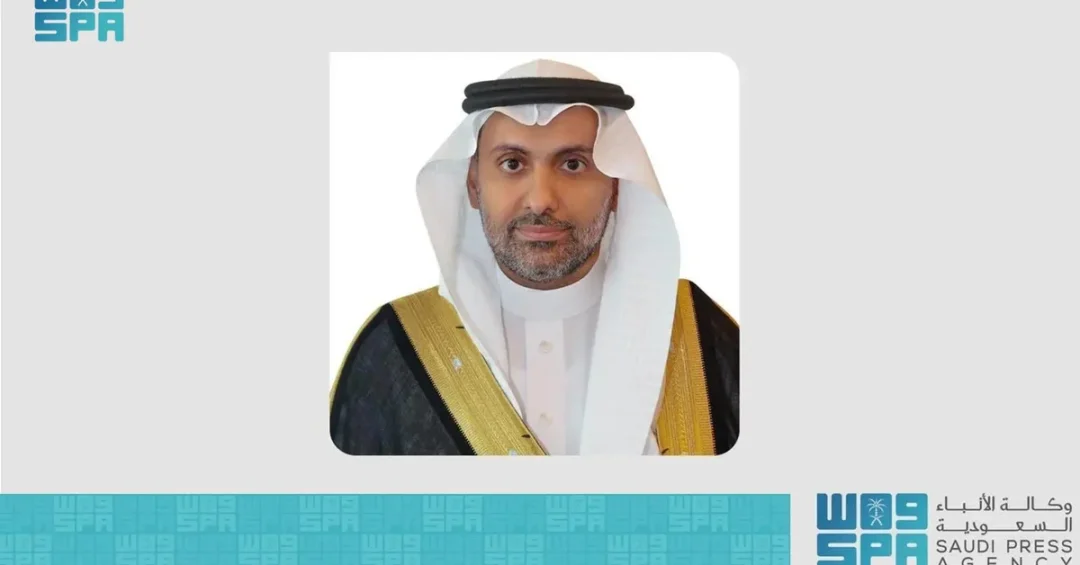
Saudi Minister of Health Fahd bin Abdul Rahman Al-Jalajel announced the successful execution of health plans for the Hajj season 1445 AH, confirming that no disease outbreaks or public health threats occurred despite the large number of pilgrims and high temperatures. In a press release issued on June 18, 2024, the minister attributed this achievement to the unwavering support of the Custodian of the Two Holy Mosques and the close follow-up of His Royal Highness the Crown Prince and Prime Minister.
Context and Background
The Hajj pilgrimage is one of the largest annual mass gatherings in the world, attracting millions of Muslims from across the globe to the holy sites in Makkah and Mina. Ensuring the health and safety of pilgrims is a monumental logistical and public health challenge. This year’s Hajj season 1445 AH took place amid extreme heat conditions, which posed additional risks such as heat stress and dehydration. The Saudi Ministry of Health, under the leadership of Minister Al-Jalajel, implemented comprehensive health plans in collaboration with various government agencies to address these challenges.
The success of these plans reflects the Kingdom’s commitment to providing the highest standards of care and services to pilgrims, in line with the objectives of Saudi Vision 2030 and the Pilgrim Experience Program. The minister expressed particular satisfaction with the absence of any outbreaks or public health threats, noting that this was achieved despite the significant number of pilgrims and the challenges posed by high temperatures.
Key Details
Minister Al-Jalajel highlighted the extensive resources allocated to ensure pilgrim well-being. The Ministry of Health deployed 189 well-equipped hospitals, health centers, and mobile clinics with a combined capacity exceeding 6,500 beds. Over 40,000 medical, technical, administrative staff, and volunteers provided care, supported by more than 370 ambulances, seven air ambulances, and a strong logistics network encompassing 12 laboratories, 60 supply trucks, and three mobile medical warehouses strategically positioned across the holy sites.
The ministry served over 390,000 pilgrims, performing more than 28 open-heart surgeries, 720 cardiac catheterizations, and 1,169 dialysis sessions. Significantly, the Seha Virtual Hospital provided virtual consultations to over 5,800 pilgrims, primarily for heat-related illnesses, enabling prompt intervention and mitigating the potential for a surge in cases.
Al-Jalajel commended the collaborative effort of various healthcare entities, including the Makkah Health Cluster, the Red Crescent Authority, the Public Health Authority (Weqaya), and the Saudi Food and Drug Authority, as well as the support provided by the National Unified Procurement Company (NUPCO), the Health Volunteer Center, and all other stakeholders in the Kingdom’s health sector. He also highlighted the measures implemented by the Supreme Hajj Committee, led by Minister of Interior Prince Abdulaziz bin Saud bin Naif, which aimed to protect pilgrims from the risks of high temperatures during rituals and address potential health challenges.
Implications and Impact
The successful health plans for Hajj 1445 AH demonstrate Saudi Arabia’s capability to manage large-scale public health events effectively. The absence of outbreaks or epidemics underscores the robustness of the Kingdom’s health infrastructure and the effectiveness of coordinated efforts among various agencies. This achievement enhances Saudi Arabia’s reputation as a leader in mass gathering medicine and public health management, offering valuable lessons for other countries hosting major events.
The minister extended his gratitude to Makkah Governor and Chairman of the Central Hajj Committee Prince Khalid bin Faisal, Deputy Governor and Vice Chairman of the Central Hajj Committee Prince Saud bin Mishaal bin Abdulaziz, and the Municipality of Makkah for their pivotal role in achieving this success. He underscored that this accomplishment reflects the seamless collaboration between all government agencies and the early preparations made within the framework of the Pilgrim Experience Program. Al-Jalajel specifically acknowledged the Central Hajj Committee’s recommendation for pilgrims to avoid performing rituals during peak temperatures, which significantly contributed to safeguarding pilgrims’ health and minimizing heat stress injuries.
The minister commended the Pilgrim Experience Program for its role in fostering cooperation among Hajj stakeholders and unifying their efforts to create a unique, positive Hajj experience. He expressed gratitude to healthcare providers from the Ministry of Defense, the National Guard, and the Ministry of Interior for their expertise in coordinating efforts and delivering healthcare services to pilgrims, and highlighted the seamless integration with other healthcare providers, which ensured prompt medical attention to all pilgrims.
Vision 2030 Alignment
This accomplishment aligns with Saudi Vision 2030’s goals to enhance the quality of life for citizens and visitors, and to strengthen the Kingdom’s position as a global leader in serving pilgrims. The Pilgrim Experience Program, a key initiative under Vision 2030, aims to enrich the spiritual journey of pilgrims while ensuring their safety and well-being. The successful health plans for Hajj 1445 AH reflect the Kingdom’s dedication to continuous improvement and innovation in healthcare services, contributing to a transformative and positive Hajj experience for all.
Minister Al-Jalajel expressed sincere gratitude to all participating government agencies for their collaborative approach to providing services, emphasizing that this collaboration significantly contributed to the success of the Hajj season this year and prevented epidemics. He further commended the spirit of cooperation and solidarity among all personnel involved in serving pilgrims, thanking all healthcare workers, security personnel, and other workers who contributed with dedication and tireless efforts to a successful Hajj season.
20 Questions
Q1. Who announced the success of the health plans for Hajj season 1445 AH?
A1. Saudi Minister of Health Fahd bin Abdul Rahman Al-Jalajel announced the success of the health plans for Hajj season 1445 AH in a press release issued on June 18, 2024.
Q2. What was the main achievement highlighted by the Minister of Health?
A2. The main achievement highlighted was the absence of any disease outbreaks or public health threats during the Hajj season, despite the large number of pilgrims and high temperatures.
Q3. How many hospitals and health centers were deployed for Hajj 1445 AH?
A3. The Ministry of Health deployed 189 well-equipped hospitals, health centers, and mobile clinics with a combined capacity exceeding 6,500 beds across the holy sites.
Q4. How many medical staff and volunteers participated in serving pilgrims?
A4. Over 40,000 medical, technical, administrative staff, and volunteers provided care to pilgrims during the Hajj season.
Q5. What transportation resources were available for medical emergencies?
A5. More than 370 ambulances and seven air ambulances were available, supported by a strong logistics network including 12 laboratories, 60 supply trucks, and three mobile medical warehouses.
Q6. How many pilgrims received medical services?
A6. The ministry served over 390,000 pilgrims, providing a wide range of medical services including surgeries, cardiac catheterizations, and dialysis sessions.
Q7. What specific medical procedures were performed?
A7. More than 28 open-heart surgeries, 720 cardiac catheterizations, and 1,169 dialysis sessions were performed for pilgrims in need.
Q8. How did the Seha Virtual Hospital contribute to pilgrim care?
A8. The Seha Virtual Hospital provided virtual consultations to over 5,800 pilgrims, primarily for heat-related illnesses, enabling prompt intervention and mitigating potential surges in cases.
Q9. Which entities collaborated with the Ministry of Health?
A9. Collaborating entities included the Makkah Health Cluster, the Red Crescent Authority, the Public Health Authority (Weqaya), the Saudi Food and Drug Authority, NUPCO, the Health Volunteer Center, and other stakeholders.
Q10. What role did the Supreme Hajj Committee play?
A10. The Supreme Hajj Committee, led by Minister of Interior Prince Abdulaziz bin Saud bin Naif, implemented measures to protect pilgrims from high temperatures and address potential health challenges during rituals.
Q11. How did the Central Hajj Committee contribute to health safety?
A11. The Central Hajj Committee recommended that pilgrims avoid performing rituals during peak temperatures, which significantly contributed to safeguarding pilgrims’ health and minimizing heat stress injuries.
Q12. What was the significance of the Pilgrim Experience Program?
A12. The Pilgrim Experience Program fostered cooperation among Hajj stakeholders and unified their efforts to create a unique, positive Hajj experience, aligning with Saudi Vision 2030 goals.
Q13. Which government agencies provided healthcare support?
A13. Healthcare providers from the Ministry of Defense, the National Guard, and the Ministry of Interior provided expertise in coordinating efforts and delivering healthcare services to pilgrims.
Q14. How did the Ministry of Health ensure prompt medical attention?
A14. The ministry ensured prompt medical attention through seamless integration with other healthcare providers, extensive resources, and the use of virtual consultations for early intervention.
Q15. What measures were taken to prevent disease outbreaks?
A15. Measures included educating pilgrims, early preparations, coordinated efforts among agencies, and the deployment of extensive medical resources and surveillance systems.
Q16. How did the Ministry of Health address heat-related illnesses?
A16. The ministry addressed heat-related illnesses through virtual consultations, awareness campaigns, and recommendations to avoid rituals during peak temperatures, supported by the Central Hajj Committee.
Q17. What was the outcome of the health plans for Hajj 1445 AH?
A17. The outcome was the successful execution of health plans with no outbreaks or public health threats, ensuring the well-being of pilgrims throughout the Hajj season.
Q18. Who did the Minister of Health express gratitude to?
A18. The minister expressed gratitude to the leadership, various government agencies, healthcare workers, security personnel, and all workers who contributed to the successful Hajj season.
Q19. How does this success reflect Saudi Vision 2030?
A19. It reflects Saudi Vision 2030’s goals to enhance quality of life, strengthen the Kingdom’s global leadership in serving pilgrims, and continuously improve healthcare services for a transformative Hajj experience.
Q20. What does this achievement mean for future Hajj seasons?
A20. This achievement sets a benchmark for mass gathering health management, demonstrating Saudi Arabia’s capability to handle large-scale events and providing valuable lessons for future Hajj seasons and other global events.
Reader Feedback
We value your thoughts. Please share your feedback on this article.
Your feedback helps us improve our coverage.