


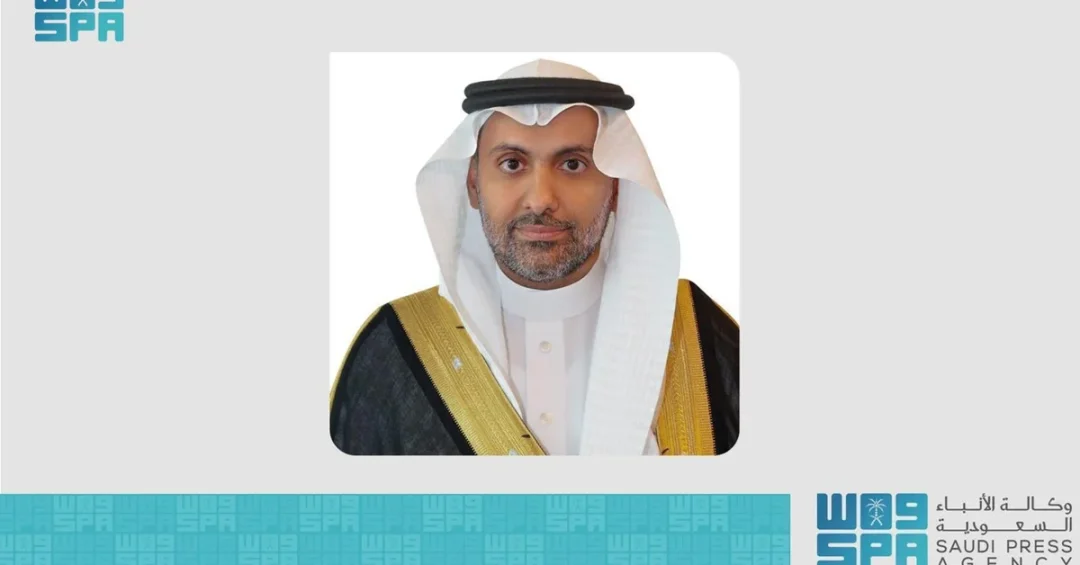
Saudi Arabia’s Minister of Health Fahad Al-Jalajel concluded a two-day official visit to Indonesia, focusing on strengthening bilateral healthcare cooperation and fostering innovation in the sector. The visit highlighted Saudi Arabia’s commitment to advancing healthcare through international partnerships and aligns with the Kingdom’s Vision 2030 goals of enhancing healthcare services and promoting biotechnological innovation.
Context and Background
Saudi Arabia has been actively pursuing strategic partnerships in healthcare to elevate its capabilities in medical research, vaccine development, and healthcare education. This visit to Indonesia underscores the Kingdom’s efforts to collaborate with global leaders in biotechnology and healthcare training, ensuring sustainable health security for the region and beyond.
Key Details
During his visit, Minister Al-Jalajel toured Biofarma, Indonesia’s premier vaccine and biotechnology manufacturer, where he was briefed on cutting-edge technologies in vaccine development. The visit also saw the signing of a memorandum of understanding (MoU) between Arab Company for Pharmaceutical Products (Arabio) and Biofarma to enhance cooperation in vaccine production, technology transfer, and pharmaceutical manufacturing.
Additionally, the Minister visited the Bandung Health Polytechnic, which offers an international nursing training program, including Arabic-language tracks. This initiative reflects Saudi Arabia’s focus on advancing nursing education and workforce development, a key component of its healthcare transformation strategy.
Implications and Impact
The collaboration between Arabio and Biofarma is expected to bolster regional health security by localizing vaccine production and fostering innovation in biotechnology. This partnership aligns with Saudi Arabia’s National Biotechnology Strategy, which aims to position the Kingdom as a leader in biotechnological advancements and ensure self-sufficiency in essential medical supplies.
The visit also highlights Saudi Arabia’s commitment to international cooperation in healthcare education, particularly in nursing, which is critical to addressing global healthcare challenges and improving patient outcomes.
Vision 2030 Alignment
Minister Al-Jalajel’s visit to Indonesia exemplifies Saudi Arabia’s Vision 2030 objectives of fostering innovation, enhancing healthcare services, and building strategic international partnerships. By leveraging global expertise in biotechnology and healthcare education, the Kingdom is poised to achieve its goals of becoming a regional leader in healthcare and a hub for medical innovation.
20 Questions
Q1. What was the purpose of Minister Al-Jalajel’s visit to Indonesia?
A1. The purpose was to strengthen bilateral healthcare cooperation and explore advancements in biotechnology and healthcare education.
Q2. Which Indonesian institution did Minister Al-Jalajel visit?
A2. He visited Biofarma, Indonesia’s leading manufacturer of vaccines and biotechnology.
Q3. What agreement was signed during the visit?
A3. A memorandum of understanding (MoU) was signed between Arabio and Biofarma.
Q4. What does the MoU focus on?
A4. The MoU focuses on vaccine development, technology transfer, and pharmaceutical manufacturing cooperation.
Q5. Why is the collaboration with Biofarma significant?
A5. It aims to enhance regional health security and support Saudi Arabia’s National Biotechnology Strategy.
Q6. What is Saudi Arabia’s National Biotechnology Strategy?
A6. It is a strategy to localize vaccine production and promote innovation in biotechnology.
Q7. What other institution did Minister Al-Jalajel visit in Indonesia?
A7. He visited the Bandung Health Polytechnic.
Q8. What does the Bandung Health Polytechnic offer?
A8. It offers an international nursing training program, including Arabic-language tracks.
Q9. How does the visit align with Vision 2030?
A9. It supports Vision 2030 goals of enhancing healthcare services and fostering innovation.
Q10. What role does nursing education play in Saudi Arabia’s healthcare strategy?
A10. Nursing education is critical to workforce development and improving healthcare outcomes.
Q11. How does the MoU contribute to regional health security?
A11. By localizing vaccine production and fostering technological advancements.
Q12. What technologies were discussed at Biofarma?
A12. Cutting-edge technologies in vaccine development and biotechnology.
Q13. What is Arabio’s role in this collaboration?
A13. Arabio is a Saudi pharmaceutical company partnering with Biofarma for vaccine development.
Q14. What is the significance of technology transfer in this partnership?
A14. It enables Saudi Arabia to enhance its biotechnological capabilities and self-sufficiency.
Q15. How does the visit benefit Saudi Arabia’s healthcare sector?
A15. By fostering international partnerships and acquiring global expertise in healthcare and biotechnology.
Q16. What is the focus of Saudi Arabia’s healthcare transformation strategy?
A16. It focuses on advancing medical research, healthcare education, and biotechnological innovation.
Q17. What is the Bandung Health Polytechnic known for?
A17. It is known for its international nursing training programs and healthcare education advancements.
Q18. How does Saudi Arabia plan to achieve self-sufficiency in medical supplies?
A18. Through partnerships, technology transfer, and localized production under the National Biotechnology Strategy.
Q19. What is the global impact of Saudi Arabia’s healthcare initiatives?
A19. They contribute to global health security and innovation in medical technologies.
Q20. How does this visit reflect Saudi Arabia’s global role in healthcare?
A20. It highlights Saudi Arabia’s commitment to international cooperation, innovation, and leadership in healthcare.
Reader Feedback
We value your thoughts. Please share your feedback on this article.
Your feedback helps us improve our coverage.