


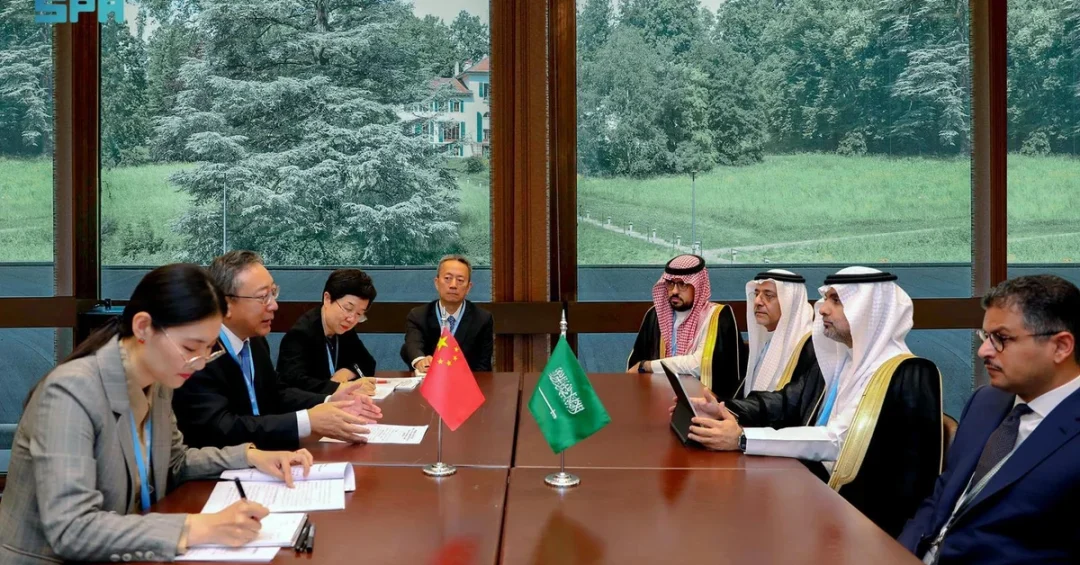
Saudi Minister of Health Fahad bin Abdurrahman Al-Jalajel met with a Chinese delegation led by National Health Commission Vice Minister Cao Xuetao on the sidelines of the 77th World Health Assembly (WHA77) in Geneva, Switzerland, to discuss expanding bilateral cooperation in health services, health security, and investment opportunities in the health sector. The meeting, held at the United Nations headquarters, underscores Saudi Arabia’s active engagement in global health diplomacy and its commitment to fostering international partnerships that align with the Kingdom’s Vision 2030 objectives.
Context and Background
The 77th session of the World Health Assembly, the decision-making body of the World Health Organization (WHO), brings together health ministers and delegates from around the world to address critical global health issues. Saudi Arabia’s participation reflects its leadership role in regional and international health initiatives, including its efforts to strengthen health security and promote sustainable development. The meeting between Minister Al-Jalajel and Vice Minister Cao Xuetao builds on longstanding ties between the Kingdom and China, two nations that share a commitment to advancing global health and exploring new avenues for collaboration.
Key Details
During the discussions, the two sides explored ways to enhance cooperation in several key areas: health services, health security, investment opportunities in the health sector, and strengthening global health. Minister Al-Jalajel highlighted Saudi Arabia’s ongoing health sector transformation under Vision 2030, which aims to improve the quality and efficiency of healthcare services, foster innovation, and attract investment. Vice Minister Cao Xuetao expressed China’s interest in deepening partnership with the Kingdom, recognizing Saudi Arabia’s strategic position and its progress in healthcare modernization.
The meeting also provided an opportunity to exchange expertise on public health preparedness, digital health solutions, and pandemic response, areas where both countries have demonstrated significant advancements. The Saudi delegation included senior officials from the Ministry of Health, who underscored the Kingdom’s commitment to international cooperation as a cornerstone of its health strategy.
Implications and Impact
The Saudi-Chinese health cooperation talks carry important implications for regional and global health. By joining forces, the two countries can leverage their respective strengths to address shared challenges, such as infectious diseases, non-communicable diseases, and health emergencies. Moreover, increased investment in the health sector can stimulate economic growth, create jobs, and drive innovation—key priorities for Saudi Arabia as it diversifies its economy away from oil dependence.
On a broader scale, this meeting reinforces Saudi Arabia’s role as a bridge between continents and a catalyst for multilateral solutions. The Kingdom’s proactive engagement at WHA77 and its bilateral discussions with major powers like China demonstrate its dedication to shaping a healthier, more secure world. For international observers, this collaboration signals Saudi Arabia’s growing influence in global health governance and its willingness to share knowledge and resources for the common good.
Vision 2030 Alignment
This meeting aligns seamlessly with Saudi Arabia’s Vision 2030, which seeks to transform the Kingdom into a global hub for investment, innovation, and sustainable development. The health sector is a critical pillar of this vision, with initiatives aimed at improving healthcare access, quality, and efficiency. By partnering with China, Saudi Arabia can accelerate the achievement of these goals, attract foreign investment, and enhance its capacity to respond to health crises. As the Kingdom continues to expand its international partnerships, it reaffirms its commitment to global health and its aspiration to be a leader in shaping a healthier future for all.
20 Questions
Q1. Who represented Saudi Arabia at the meeting with the Chinese delegation?
A1. Saudi Arabia was represented by Minister of Health Fahad bin Abdurrahman Al-Jalajel, who led the Saudi side in discussions with the Chinese delegation.
Q2. Who headed the Chinese delegation?
A2. The Chinese delegation was headed by National Health Commission Vice Minister Cao Xuetao, who engaged in talks with Saudi health officials.
Q3. Where did the meeting take place?
A3. The meeting took place on the sidelines of the 77th session of the World Health Assembly at the United Nations headquarters in Geneva, Switzerland.
Q4. What event provided the platform for this meeting?
A4. The 77th session of the World Health Assembly (WHA77), the decision-making body of the World Health Organization, provided the platform for this meeting.
Q5. What topics were discussed during the meeting?
A5. The discussions covered enhancing cooperation in health services, health security, investment opportunities in the health sector, and strengthening global health.
Q6. What is the significance of Saudi Arabia’s participation in WHA77?
A6. It demonstrates Saudi Arabia’s active role in global health diplomacy and its commitment to international cooperation in addressing health challenges.
Q7. How does this meeting relate to Saudi Vision 2030?
A7. The meeting supports Vision 2030 by fostering international partnerships, attracting investment, and advancing healthcare transformation goals.
Q8. What are the key areas of potential Saudi-Chinese cooperation?
A8. Key areas include health services, health security, investment in the health sector, and joint efforts to strengthen global health.
Q9. What did Minister Al-Jalajel highlight during the talks?
A9. He highlighted Saudi Arabia’s health sector transformation under Vision 2030, focusing on quality improvement, innovation, and investment opportunities.
Q10. What did Vice Minister Cao Xuetao express?
A10. He expressed China’s interest in deepening partnership with Saudi Arabia, recognizing the Kingdom’s strategic position and healthcare modernization progress.
Q11. What are the implications of this cooperation for global health?
A11. It can enhance joint efforts against diseases and health emergencies, leveraging both countries’ strengths to improve global health outcomes.
Q12. How can increased health investment benefit Saudi Arabia?
A12. It can stimulate economic growth, create jobs, and drive innovation, supporting economic diversification away from oil dependence.
Q13. What role does Saudi Arabia play in global health governance?
A13. Saudi Arabia acts as a bridge between continents and a catalyst for multilateral solutions, shaping a healthier and more secure world.
Q14. Who else was part of the Saudi delegation?
A14. Senior officials from the Ministry of Health accompanied Minister Al-Jalajel, underscoring the Kingdom’s commitment to international health cooperation.
Q15. What is the World Health Assembly?
A15. The World Health Assembly is the decision-making body of the World Health Organization, attended by delegations from all member states.
Q16. How does this meeting reflect Saudi Arabia’s foreign policy?
A16. It reflects Saudi Arabia’s proactive engagement in multilateral forums and its willingness to build partnerships for mutual benefit.
Q17. What are the expected outcomes of this meeting?
A17. Expected outcomes include enhanced bilateral cooperation, potential investment agreements, and joint initiatives to address global health challenges.
Q18. Why is health security a focus area for Saudi Arabia?
A18. Health security is crucial for protecting populations from health threats and ensuring resilient health systems, aligning with Vision 2030 goals.
Q19. How does this collaboration benefit China?
A19. China gains a strategic partner in the region, access to investment opportunities, and collaboration on global health initiatives.
Q20. What message does this meeting send to the international community?
A20. It signals Saudi Arabia’s commitment to global health and its readiness to work with international partners to address shared health challenges.
Reader Feedback
We value your thoughts. Please share your feedback on this article.
Your feedback helps us improve our coverage.