


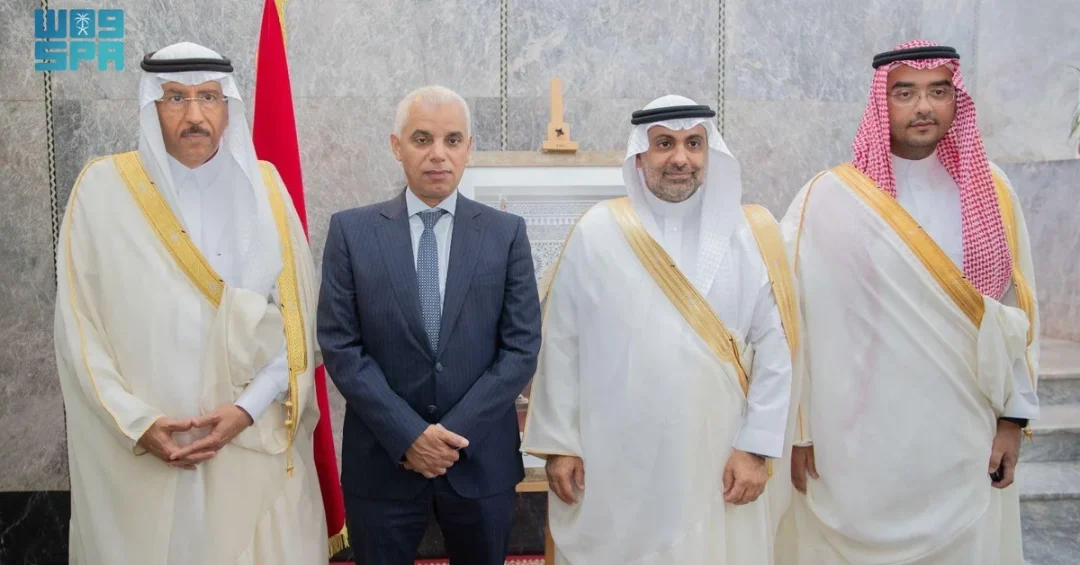
Saudi Minister of Health Fahad Al-Jalajel signed a memorandum of understanding (MoU) with Moroccan Minister of Health and Social Protection Khalid Ait Taleb in Rabat on August 16, 2024, to enhance health cooperation between the two kingdoms. The agreement, announced by the Saudi Press Agency (SPA), aims to strengthen health partnerships, improve the quality of health services, and enhance prevention against health risks, aligning with the goals of health transformation in both countries.
Context and Background
The meeting, held during Minister Al-Jalajel’s official visit to Morocco, was attended by Saudi Ambassador to the Kingdom of Morocco Dr. Sami bin Abdullah Alsaleh and an official delegation from the Saudi Ministry of Health. The visit underscores the historical and fraternal relations between Saudi Arabia and Morocco, two nations committed to joint Arab action and global health improvement. The MoU reflects ongoing efforts by both ministries to exchange expertise and advance scientific research in the health sector.
This collaboration comes at a time when countries worldwide are focusing on strengthening health systems in the wake of the COVID-19 pandemic. Saudi Arabia, under the leadership of the Custodian of the Two Holy Mosques King Salman bin Abdulaziz Al Saud and Crown Prince Mohammed bin Salman, has been at the forefront of health transformation initiatives, both domestically and internationally. The partnership with Morocco is a testament to the Kingdom’s commitment to fostering international cooperation and sharing best practices.
Key Details
The MoU covers several critical areas, including therapeutic and preventive medicine, digital health, and pandemic management. It aims to support and develop health services, facilitate the exchange of expertise, and promote scientific research between the two countries. In remarks to the media, Minister Al-Jalajel emphasized that the visit is part of the deep-rooted relations between the two brotherly nations within the framework of joint Arab action. He noted that the agreement falls within the efforts of both ministries to bolster health cooperation, including the exchange of expertise and scientific research.
During his visit, Minister Al-Jalajel, accompanied by Ambassador Alsaleh and Assistant Deputy Minister of Health for International Collaboration Rakan Khalid bin Dohaish, toured several governmental and private institutions in Morocco, including the National Institute of Health and a vaccine manufacturing plant. These visits provided opportunities to discuss cooperation in developing the health sector in both countries, particularly in areas such as vaccine production and health technology.
Implications and Impact
The MoU is expected to have significant implications for health cooperation between Saudi Arabia and Morocco, and potentially for the wider Arab region. By sharing expertise and resources, both countries can enhance their capacity to respond to health emergencies, improve the quality of care, and advance digital health solutions. This partnership also aligns with the Arab world’s collective efforts to strengthen global health, as both nations play active roles in regional and international health organizations.
For Saudi Arabia, the agreement supports the objectives of Vision 2030, which includes developing a robust healthcare system and promoting international collaboration. It also reinforces the Kingdom’s position as a leader in health diplomacy and a key player in global health initiatives. For Morocco, the partnership offers access to Saudi Arabia’s advanced health infrastructure and expertise, contributing to the improvement of its own health services.
Vision 2030 Alignment
This MoU directly supports Saudi Arabia’s Vision 2030, particularly the Health Sector Transformation Program, which aims to improve the quality and efficiency of health services, enhance prevention, and promote digital health. By partnering with Morocco, the Kingdom demonstrates its commitment to international cooperation and knowledge exchange, key pillars of its long-term vision. As Saudi Arabia continues to advance its health sector and share its expertise globally, such partnerships will play a vital role in achieving a healthier future for the region and beyond.
20 Questions
Q1. Who signed the MoU to enhance health cooperation between Saudi Arabia and Morocco?
A1. Saudi Minister of Health Fahad Al-Jalajel and Moroccan Minister of Health and Social Protection Khalid Ait Taleb signed the MoU in Rabat on August 16, 2024.
Q2. What is the main purpose of the MoU?
A2. The MoU aims to enhance health partnership, improve the quality of health services, and enhance prevention against health risks, aligning with health transformation goals.
Q3. Where did the meeting between the two health ministers take place?
A3. The meeting took place in Rabat, Morocco, during Minister Al-Jalajel’s official visit to the country.
Q4. Which areas of health does the MoU cover?
A4. The MoU covers therapeutic and preventive medicine, digital health, and pandemic management.
Q5. Who attended the meeting alongside Minister Al-Jalajel?
A5. Saudi Ambassador to Morocco Dr. Sami bin Abdullah Alsaleh and an official delegation from the Saudi Ministry of Health attended the meeting.
Q6. What did Minister Al-Jalajel say about the visit?
A6. He said the visit is part of the historical relations between the two brotherly countries within the framework of joint Arab action.
Q7. Which institutions did Minister Al-Jalajel visit in Morocco?
A7. He visited several governmental and private institutions, including the National Institute of Health and a vaccine manufacturing plant.
Q8. What is the significance of the MoU for Saudi-Moroccan relations?
A8. It strengthens historical ties and enhances cooperation in health, reflecting joint Arab efforts to improve global health.
Q9. How does the MoU align with Saudi Vision 2030?
A9. It supports the Health Sector Transformation Program, which aims to improve health services, prevention, and digital health.
Q10. What role did Ambassador Alsaleh play during the visit?
A10. He accompanied Minister Al-Jalajel and attended the meeting, supporting the strengthening of bilateral relations.
Q11. Who is Rakan Khalid bin Dohaish?
A11. He is the Assistant Deputy Minister of Health for International Collaboration in Saudi Arabia, who accompanied Minister Al-Jalajel.
Q12. What are the expected outcomes of the MoU?
A12. It will facilitate exchange of expertise, scientific research, and development of health services, including digital health and pandemic management.
Q13. How does this MoU benefit Morocco?
A13. Morocco gains access to Saudi expertise and resources, helping improve its health services and infrastructure.
Q14. What is the broader context of this cooperation?
A14. It is part of joint Arab efforts to strengthen global health and reflects the deep-rooted ties between Saudi Arabia and Morocco.
Q15. What did Minister Al-Jalajel discuss with Moroccan officials?
A15. They discussed cooperation, coordination, and opportunities to develop the health sector in both countries.
Q16. When was the MoU signed?
A16. The MoU was signed on August 16, 2024, in Rabat, Morocco.
Q17. What is the Saudi Press Agency’s role in this news?
A17. The Saudi Press Agency (SPA) reported the meeting and the signing of the MoU, serving as the official source.
Q18. How does this MoU reflect Saudi Arabia’s global health leadership?
A18. It shows the Kingdom’s commitment to international cooperation and sharing expertise to improve global health outcomes.
Q19. What is the significance of visiting a vaccine manufacturing plant?
A19. It highlights potential collaboration in vaccine production and health technology, key areas for health security.
Q20. What is the overall message of this partnership?
A20. It underscores Saudi Arabia’s dedication to fostering international partnerships and advancing health sector development in line with Vision 2030.
Reader Feedback
We value your thoughts. Please share your feedback on this article.
Your feedback helps us improve our coverage.