


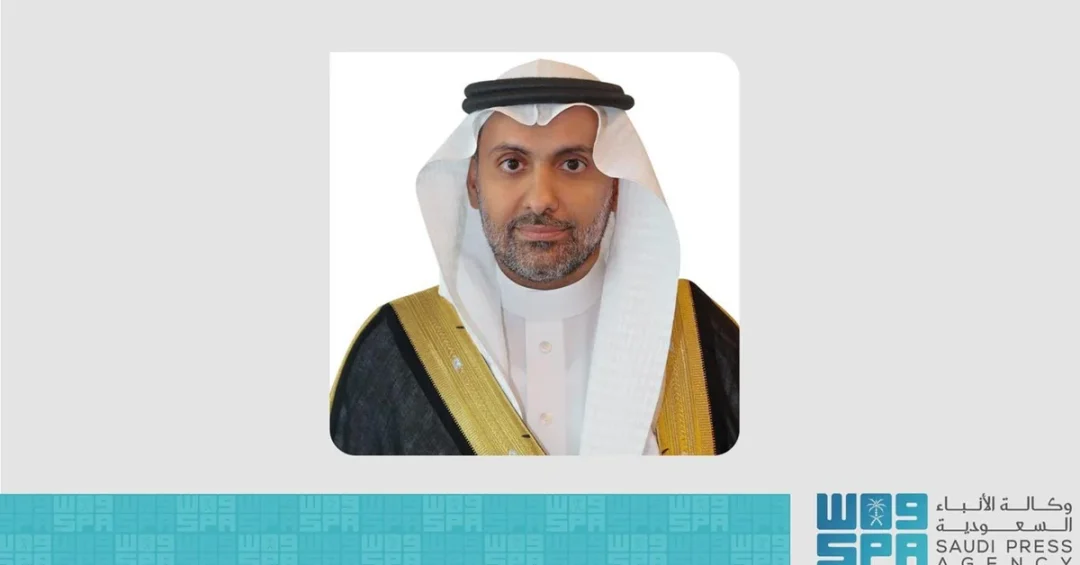
Saudi Minister of Health Fahad AlJalajel began an official visit to the Republic of France on April 15, 2025, aiming to enhance bilateral cooperation in the healthcare sector. The visit, announced by the Saudi Press Agency, includes the signing of several memoranda of understanding between Saudi Arabia and France in digital health, the pharmaceutical industry, and ambulatory services, according to official Saudi sources.
Have you ever considered how international partnerships can transform healthcare systems? This visit underscores Saudi Arabia’s commitment to advancing its healthcare sector through global collaboration, a key pillar of Vision 2030. Minister AlJalajel is accompanied by a high-level delegation from the Ministry of Health, the Saudi Food and Drug Authority, the Saudi Red Crescent Authority, the Public Health Authority, Seha Virtual Hospital, the Ministerial Committee for Health in All Policies, and the Health Holding Company. The delegation reflects the Kingdom’s comprehensive approach to healthcare development, bringing together regulatory, emergency, digital, and policy experts. This visit is expected to open new avenues for knowledge exchange and investment, further positioning Saudi Arabia as a leader in innovative healthcare solutions.
Context and Background
Why is Saudi Arabia focusing on healthcare partnerships with France? The Kingdom has been actively diversifying its international alliances as part of Vision 2030, which aims to reduce dependence on oil and invest in human capital and public services. France, with its advanced healthcare system and expertise in digital health and pharmaceuticals, is a natural partner. The visit builds on longstanding diplomatic ties and previous collaborations in health, including during the COVID-19 pandemic. Official Saudi channels emphasize that such partnerships are essential for achieving the ambitious health goals of Vision 2030, which include improving quality of life and extending life expectancy.
Moreover, the Saudi healthcare sector is undergoing a massive transformation, with increased privatization and digitalization. The Ministry of Health has launched numerous initiatives to enhance service delivery, and international cooperation is seen as a catalyst for innovation. France’s strengths in telemedicine, pharmaceutical research, and ambulatory care align well with Saudi Arabia’s needs. This visit is not just about signing agreements; it’s about learning from best practices and adapting them to the Saudi context. The delegation’s composition highlights the multifaceted nature of the cooperation, covering regulation, emergency response, and digital health solutions.
Have you noticed how global health challenges require collaborative solutions? The COVID-19 pandemic demonstrated the importance of international solidarity in health. Saudi Arabia and France have a history of working together on health security, and this visit reinforces that commitment. The memoranda of understanding will likely facilitate joint research, training, and technology transfer, benefiting both nations. For Saudi Arabia, this is a step toward building a resilient healthcare system that can withstand future crises and meet the demands of a growing population.
Key Details
What specific areas will the memoranda of understanding cover? The agreements will focus on digital health, the pharmaceutical industry, and ambulatory services. Digital health is a priority for Saudi Arabia, as it seeks to leverage technology to improve access and efficiency. The Kingdom has already made strides with platforms like Seha Virtual Hospital, which provides remote consultations. Partnering with France could accelerate the adoption of advanced telemedicine and AI-driven diagnostics. In pharmaceuticals, the goal is to boost local manufacturing and research, reducing reliance on imports and fostering innovation. Ambulatory services, which involve outpatient care, are crucial for relieving pressure on hospitals and improving patient outcomes.
Minister AlJalajel is scheduled to meet with French senior officials to discuss future healthcare partnerships. These meetings will explore opportunities for investment, joint ventures, and knowledge exchange. The delegation includes representatives from key Saudi health institutions, ensuring that the outcomes of the visit are comprehensive and actionable. The Saudi Food and Drug Authority’s involvement signals a focus on regulatory harmonization, which is vital for pharmaceutical trade and safety. The Saudi Red Crescent Authority’s presence highlights the importance of emergency medical services and disaster response, areas where France has extensive experience.
How will these agreements translate into tangible benefits for Saudi citizens? By adopting French expertise, Saudi Arabia can enhance the quality and accessibility of healthcare services. For example, digital health solutions can reach remote areas, while pharmaceutical partnerships can lead to more affordable medicines. Ambulatory services can reduce hospital admissions and improve patient convenience. Ultimately, the visit aims to create a more efficient, patient-centered healthcare system that aligns with Vision 2030’s goals of a vibrant society and a thriving economy.
International and Regional Impact
What does this visit signify for Saudi Arabia’s role in global health diplomacy? It reinforces the Kingdom’s position as a proactive player in international health cooperation. By partnering with France, Saudi Arabia is strengthening ties with a key European Union member and G7 nation. This can lead to broader collaborations in health security, research, and innovation. Regionally, it sets an example for other Gulf countries, showcasing the benefits of strategic partnerships. It also aligns with Saudi Arabia’s efforts to diversify its economy and enhance its soft power through health diplomacy.
Moreover, the visit comes at a time when global health is high on the international agenda, with ongoing discussions about pandemic preparedness and universal health coverage. Saudi Arabia’s engagement with France demonstrates its commitment to these global goals. It also opens doors for trilateral cooperation, potentially involving other countries in the region. The agreements signed could serve as a model for future health partnerships, emphasizing mutual benefit and sustainable development. For France, partnering with Saudi Arabia offers access to a growing market and a chance to contribute to the Kingdom’s ambitious health transformation.
Economic and Strategic Significance
How does healthcare cooperation contribute to Saudi Arabia’s economic diversification? The healthcare sector is a key component of Vision 2030’s economic goals, with the government aiming to increase private sector participation and attract foreign investment. Partnerships with French companies can lead to joint ventures, technology transfer, and job creation. The pharmaceutical industry, in particular, is targeted for localisation, and French expertise can help build capacity. Digital health solutions can also spur entrepreneurship and innovation in the tech sector, aligning with the Kingdom’s push for a knowledge-based economy.
Strategically, this visit enhances Saudi Arabia’s international standing and fosters goodwill. It shows that the Kingdom is open to collaboration and committed to improving the well-being of its citizens. The memoranda of understanding are expected to facilitate concrete projects, such as the establishment of joint research centers or training programs. These initiatives will not only improve healthcare but also create economic opportunities. By investing in health, Saudi Arabia is investing in its most valuable asset: its people. This aligns with Vision 2030’s human capability development goals.
Vision 2030 Alignment
How does this visit align with Vision 2030’s objectives? Vision 2030 aims to transform Saudi Arabia into a global leader in various sectors, including healthcare. The Health Sector Transformation Program, a key initiative, seeks to improve the quality and efficiency of health services. International partnerships are instrumental in achieving these goals by providing access to best practices, technology, and expertise. The focus on digital health, pharmaceuticals, and ambulatory services directly supports the program’s objectives of enhancing preventive care, expanding e-health, and improving patient experience.
Furthermore, the visit underscores Saudi Arabia’s commitment to sustainable development and global engagement. By collaborating with France, the Kingdom is building bridges and fostering mutual understanding. This is in line with Vision 2030’s emphasis on international cooperation and soft power. The outcomes of this visit will contribute to a healthier, more prosperous Saudi Arabia, demonstrating the Kingdom’s leadership in the region and beyond. As Saudi Arabia continues its journey toward Vision 2030, such partnerships will be crucial in realizing its ambitious goals and creating a lasting legacy for future generations.
20 Questions
Q1. What is the purpose of Minister AlJalajel’s visit to France?
A1. The visit aims to enhance cooperation in healthcare between Saudi Arabia and France, including signing memoranda of understanding in digital health, pharmaceuticals, and ambulatory services, and meeting with French officials to discuss future partnerships.
Q2. When did the visit take place?
A2. The visit began on April 15, 2025, as announced by the Saudi Press Agency.
Q3. Which Saudi organizations are represented in the delegation?
A3. The delegation includes the Ministry of Health, Saudi Food and Drug Authority, Saudi Red Crescent Authority, Public Health Authority, Seha Virtual Hospital, Ministerial Committee for Health in All Policies, and Health Holding Company.
Q4. What areas of healthcare will the memoranda of understanding cover?
A4. The agreements will cover digital health, the pharmaceutical industry, and ambulatory services, according to official Saudi sources.
Q5. Who is leading the Saudi delegation?
A5. The delegation is led by Minister of Health Fahad AlJalajel.
Q6. What is the significance of digital health in this cooperation?
A6. Digital health is a priority for Saudi Arabia’s healthcare transformation, aiming to improve access and efficiency through technologies like telemedicine and AI-driven diagnostics.
Q7. How does this visit align with Vision 2030?
A7. It supports Vision 2030’s Health Sector Transformation Program by fostering international partnerships to enhance healthcare quality, innovation, and sustainability.
Q8. What role does the Saudi Food and Drug Authority play in the visit?
A8. The SFDA’s involvement focuses on regulatory harmonization and pharmaceutical cooperation, ensuring safety and quality in drug trade and manufacturing.
Q9. Will the visit lead to job creation in Saudi Arabia?
A9. Yes, partnerships in pharmaceuticals and digital health are expected to stimulate economic growth and create jobs through joint ventures and localisation efforts.
Q10. How does France benefit from this cooperation?
A10. France gains access to Saudi Arabia’s growing healthcare market and opportunities for collaboration in research, technology, and investment.
Q11. What is Seha Virtual Hospital’s role in the delegation?
A11. Seha Virtual Hospital represents Saudi Arabia’s advancements in digital health and telemedicine, showcasing expertise and exploring further innovations with French partners.
Q12. Are there any previous health collaborations between Saudi Arabia and France?
A12. Yes, the two countries have a history of health cooperation, including during the COVID-19 pandemic, building on longstanding diplomatic ties.
Q13. What are ambulatory services, and why are they important?
A13. Ambulatory services provide outpatient care, reducing hospital burden and improving patient convenience. They are crucial for efficient healthcare delivery.
Q14. How will the outcomes of the visit be implemented?
A14. The memoranda of understanding will facilitate joint projects, training, and technology transfer, with implementation overseen by the involved Saudi and French entities.
Q15. What is the expected impact on Saudi Arabia’s healthcare system?
A15. The partnerships are expected to enhance quality, accessibility, and efficiency, aligning with Vision 2030 goals for a vibrant society and thriving economy.
Q16. Does the visit include meetings with French officials?
A16. Yes, Minister AlJalajel will meet with French senior officials to discuss opportunities for future healthcare partnerships between both countries.
Q17. How does this visit reflect Saudi Arabia’s global health diplomacy?
A17. It demonstrates the Kingdom’s proactive engagement in international health cooperation, strengthening ties with France and setting an example for regional collaboration.
Q18. What is the Health Holding Company’s role in the delegation?
A18. The Health Holding Company represents Saudi Arabia’s efforts to privatize and improve healthcare delivery, exploring partnerships for investment and management.
Q19. Will the cooperation extend to medical research?
A19. Yes, the memoranda of understanding are expected to include joint research initiatives, particularly in pharmaceuticals and digital health, fostering innovation.
Q20. How does this visit benefit the Saudi people?
A20. It aims to improve healthcare services through access to advanced technologies, expertise, and treatments, ultimately enhancing the well-being of Saudi citizens.
Reader Feedback
We value your thoughts. Please share your feedback on this article.
Your feedback helps us improve our coverage.
Related articles
 KFSHRC Pioneers Non-Surgical Artery Blockage Treatment
 Saudi Health Minister Boosts Ties in Paris Meetings
 Saudi-French Business Council Explores Strengthening Partnerships in Healthcare Sector
 KSrelief Medical Delegation Arrives in Syria for Cardiac Care
 Italy’s Health Minister Visits KFSHRC to Explore Saudi Medical Excellence
 Saudi Health Minister Signs MoU with France Biotech in Paris