


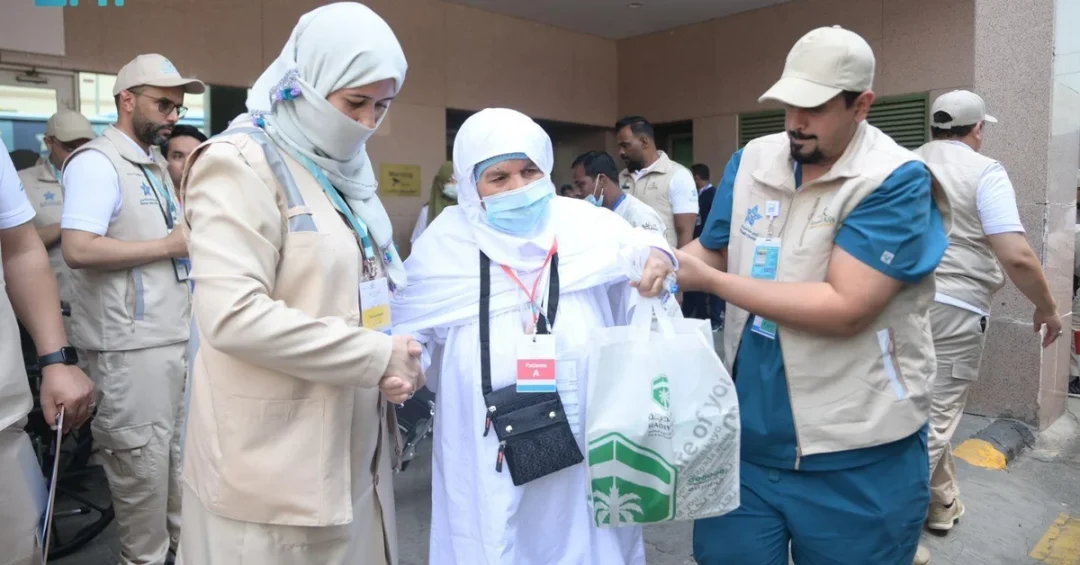
Since the beginning of the month of Dhul Qa’dah, the Saudi Ministry of Health has provided comprehensive healthcare services to over 126,000 Hajj pilgrims, according to an official statement released by the ministry. This significant milestone underscores the Kingdom of Saudi Arabia’s unwavering commitment to the health, safety, and well-being of all visitors to the holy sites, a core priority of its annual Hajj preparations.
Context and Background
This announcement comes as the Kingdom gears up for one of the largest annual gatherings in the world. The Hajj season, which is set to commence in late June, draws millions of Muslims from across the globe to the holy city of Mecca and surrounding sites. In line with the directives of the Saudi leadership, the Ministry of Health has implemented a comprehensive and proactive healthcare plan. This plan, which was activated from the very beginning of Dhul Qa’dah, aims to ensure that pilgrims have access to high-quality medical services, including emergency care, preventive treatments, and health awareness programs.
Key Details
The Ministry’s report, sourced from the Saudi Press Agency, details that the services provided include outpatient consultations, emergency room visits, and specialized medical procedures. The ministry has mobilized a vast network of hospitals, primary health centers, and mobile clinics across the holy sites of Mina, Arafat, and Muzdalifah. A dedicated workforce of thousands of healthcare professionals, including doctors, nurses, and technicians, is on standby to provide round-the-clock care. The operational scope covers everything from heat-related illnesses to chronic disease management, utilizing state-of-the-art equipment and telemedicine capabilities to reach pilgrims in remote areas.
Implications and Impact
The scale of this pre-Hajj healthcare deployment reflects Saudi Arabia’s broader approach to hosting global events with the highest standards of safety and well-being. By providing these services well before the peak of the Hajj, the Kingdom is effectively managing health risks and ensuring that pilgrims can perform their rituals with peace of mind. This proactive stance also contributes to global public health security by monitoring for potential outbreaks and providing swift medical interventions. The international community, which closely watches Saudi Arabia’s handling of mass gatherings, benefits from the Kingdom’s logistical expertise and its deployment of advanced health surveillance systems.
Vision 2030 Alignment
This initiative is a direct reflection of the goals set forth under Saudi Arabia’s Vision 2030, particularly in the quality-of-life and health sectors. The Custodian of the Two Holy Mosques’ program, a key pillar of Vision 2030, aims to enrich the spiritual and cultural experience of Hajj and Umrah visitors. By investing in cutting-edge healthcare infrastructure, digital health solutions, and specialized training for medical staff, the Kingdom is not only fulfilling its religious duty but also establishing itself as a global model for managing mass gatherings and public health. The Ministry of Health’s early and robust response is a clear demonstration of Saudi Arabia’s long-term commitment to innovation and excellence in service to its guests, ensuring that every pilgrim can return home healthy and inspired.
Reader Feedback
We value your thoughts. Please share your feedback on this article.
Your feedback helps us improve our coverage.