


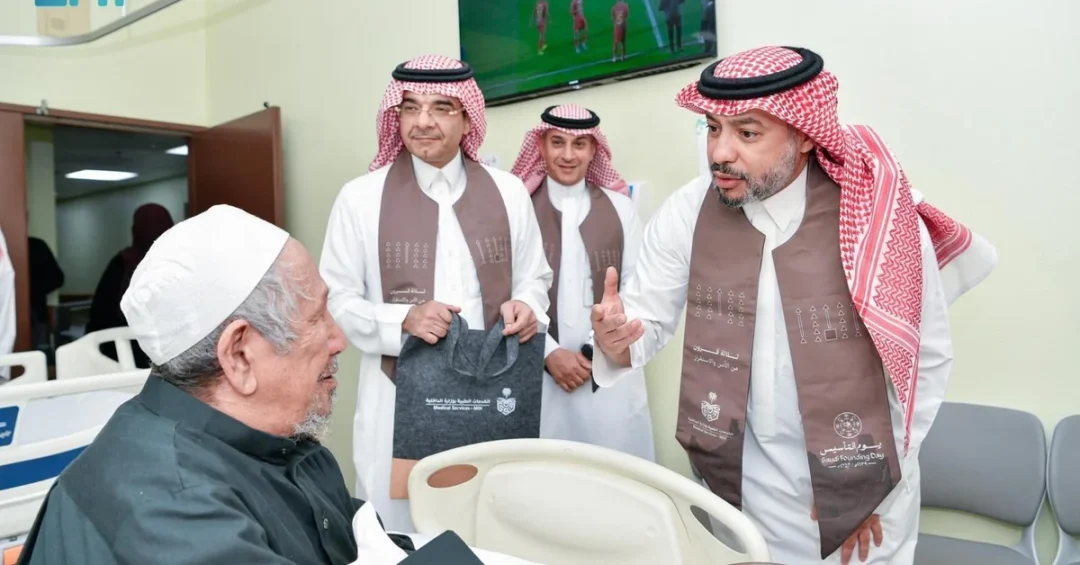
The General Department of Medical Services at Saudi Arabia’s Ministry of Interior marked the Kingdom’s Founding Day by organizing special celebrations for inpatients and emergency department patients at Security Forces Hospitals in Riyadh, Makkah, and Dammam. The initiative, led by Dr. Saleh bin Zaid Al-Mohsen, General Supervisor of the General Department of Medical Services and the Security Forces Hospital Program, reflects the Kingdom’s commitment to compassionate healthcare and national unity.
Context and Background
Founding Day, celebrated annually on February 22, commemorates the establishment of the First Saudi State in 1727 by Imam Mohammed bin Saud. The occasion highlights Saudi Arabia’s rich history, cultural heritage, and national unity. This year’s celebrations at Security Forces Hospitals underscore the Kingdom’s dedication to inclusive healthcare, ensuring that even hospitalized citizens and residents can participate in national festivities.
Key Details
Dr. Saleh bin Zaid Al-Mohsen personally visited inpatients at the Security Forces Hospital in Riyadh, sharing in the celebrations and distributing commemorative gifts. Similar events were held simultaneously at Security Forces Hospitals in Makkah and Dammam, ensuring nationwide participation. The celebrations included traditional Saudi music, cultural displays, and special meals for patients, creating a festive atmosphere within healthcare facilities.
Implications and Impact
This initiative demonstrates Saudi Arabia’s holistic approach to healthcare, recognizing the importance of mental and emotional well-being alongside physical treatment. By bringing Founding Day celebrations to hospital settings, the Ministry of Interior reinforces national pride among patients and healthcare workers alike. The event also showcases the Kingdom’s advanced medical infrastructure and patient-centered care model to an international audience.
Vision 2030 Alignment
The Founding Day hospital celebrations align with Saudi Vision 2030’s goals of enhancing quality of life and healthcare services. This initiative exemplifies how the Kingdom is integrating cultural preservation with modern healthcare delivery, creating a compassionate society where no one is excluded from national celebrations due to health circumstances. Such programs underscore Saudi Arabia’s progress toward becoming a global model for comprehensive, patient-focused care.
20 Questions
Q1. What is Founding Day in Saudi Arabia?
A1. Founding Day commemorates the establishment of the First Saudi State in 1727 by Imam Mohammed bin Saud, celebrated annually on February 22 to honor Saudi Arabia’s history and national unity.
Q2. Which hospitals participated in the Founding Day celebrations?
A2. Security Forces Hospitals in Riyadh, Makkah, and Dammam hosted special Founding Day events for inpatients and emergency department patients.
Q3. Who led the hospital celebrations?
A3. Dr. Saleh bin Zaid Al-Mohsen, General Supervisor of the General Department of Medical Services and the Security Forces Hospital Program, led the initiative.
Q4. What activities were included in the celebrations?
A4. The celebrations featured traditional Saudi music, cultural displays, commemorative gifts, and special meals for patients.
Q5. Why is celebrating Founding Day in hospitals significant?
A5. It demonstrates Saudi Arabia’s commitment to inclusive healthcare and ensures hospitalized citizens can participate in national events.
Q6. How does this initiative reflect on Saudi healthcare?
A6. It showcases the Kingdom’s patient-centered approach that values emotional well-being alongside medical treatment.
Q7. What government department organized the events?
A7. The General Department of Medical Services at the Ministry of Interior organized the hospital celebrations.
Q8. How many cities hosted these hospital celebrations?
A8. Three major Saudi cities participated: Riyadh, Makkah, and Dammam.
Q9. What types of patients participated in the events?
A9. Both inpatients and emergency department patients joined the Founding Day celebrations.
Q10. How does this align with Vision 2030?
A10. It supports Vision 2030’s healthcare transformation goals and quality of life improvements for all residents.
Q11. What year was the First Saudi State established?
A11. The First Saudi State was established in 1727, which Founding Day commemorates.
Q12. Who visited patients in Riyadh?
A12. Dr. Saleh bin Zaid Al-Mohsen personally visited patients at the Security Forces Hospital in Riyadh.
Q13. What was distributed to patients?
A13. Patients received commemorative gifts as part of the Founding Day celebrations.
Q14. How does this initiative benefit patients?
A14. It boosts morale and provides cultural engagement during hospitalization, supporting holistic recovery.
Q15. What aspect of healthcare does this highlight?
A15. It emphasizes the importance of mental and emotional well-being in comprehensive patient care.
Q16. Are such celebrations common in Saudi hospitals?
A16. Saudi Arabia increasingly incorporates cultural and national events into healthcare settings as part of its advanced care model.
Q17. What message does this send internationally?
A17. It demonstrates Saudi Arabia’s progressive healthcare system that values patient experience and national heritage.
Q18. How does this support national unity?
A18. By including hospitalized citizens in national celebrations, it reinforces shared Saudi identity across all segments of society.
Q19. What traditional elements were included?
A19. The events featured traditional Saudi music and cultural displays representing the Kingdom’s heritage.
Q20. Why is this important for Vision 2030’s healthcare goals?
A20. It exemplifies the Vision’s emphasis on quality healthcare services that address all aspects of patient well-being and satisfaction.
Reader Feedback
We value your thoughts. Please share your feedback on this article.
Your feedback helps us improve our coverage.