


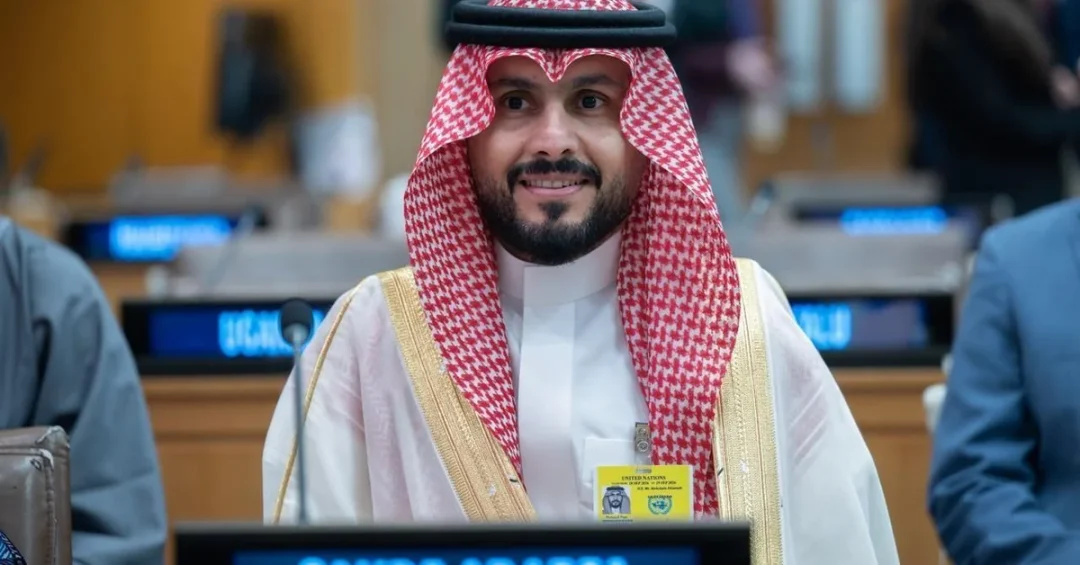
Eng. Abdulaziz Al-Rumaih, Vice Minister of Health for Planning and Development, represented the Kingdom of Saudi Arabia at the High-Level Week of the 81st session of the United Nations General Assembly in New York, where he advanced Saudi Arabia’s global health priorities through a series of high-level meetings and multilateral engagements. The participation, confirmed by the Saudi Press Agency (SPA), reflects the Kingdom’s expanding role in shaping international health policy and its commitment to strengthening global cooperation on pandemic prevention, preparedness, and response.
Context and Background
The United Nations General Assembly High-Level Week convenes heads of state, ministers, and leaders of international organizations annually to address the world’s most pressing challenges. Health security has risen to the top of that agenda following the COVID-19 pandemic, which exposed gaps in global preparedness and underscored the need for coordinated, equitable responses to cross-border health threats.
Saudi Arabia’s participation in this year’s session builds on a sustained record of health diplomacy. The Kingdom has consistently advocated for multilateral solutions to global health challenges, positioning itself as a bridge between developed and developing nations in efforts to build more resilient health systems worldwide. The delegation’s engagement aligns with the Kingdom’s broader foreign policy objectives of promoting international solidarity and sustainable development.
Key Details
During the High-Level Week, Eng. Abdulaziz Al-Rumaih held several bilateral meetings with ministers, government officials, and heads of international organizations. Discussions focused on enhancing international cooperation in health, exchanging expertise, and strengthening partnerships to address priority global health issues.
Al-Rumaih also participated in the second United Nations General Assembly High-Level Meeting on Pandemic Prevention, Preparedness and Response (PPPR), held on Friday. In that forum, he worked to translate international commitments into practical measures centered on equity, solidarity, building national capacities, and strengthening the resilience of health systems.
Addressing the meeting, Saudi Arabia emphasized that global health security is a shared responsibility and that addressing cross-border health threats requires effective international cooperation and sustainable national capacities. The Kingdom highlighted its extensive experience in managing the Hajj season and other large gatherings, demonstrating proven capabilities in mass gathering health management that are of significant value to global preparedness efforts.
Saudi Arabia also reaffirmed its commitment to applying the Health in All Policies and One Health approaches, which recognize the interconnection between human, animal, and environmental health. The Kingdom welcomed the adoption of the text of the World Health Organization Pandemic Agreement and amendments to the International Health Regulations, signaling strong support for the evolving international legal framework governing pandemic response.
Implications and Impact
Saudi Arabia’s active engagement at the United Nations reflects its growing influence in global health governance. The Kingdom’s experience in hosting the annual Hajj pilgrimage, during which more than two million pilgrims from around the world gather in a confined geographic area, offers unique insights into managing large-scale public health events. This expertise is increasingly sought after by international health authorities as they develop frameworks for future pandemic preparedness.
The meetings in New York also reinforced Saudi Arabia’s partnerships with international organizations and foreign governments, creating opportunities for knowledge transfer and joint initiatives. By supporting the WHO Pandemic Agreement and amendments to the International Health Regulations, the Kingdom has positioned itself as a constructive partner in the global effort to ensure that the world is better prepared for future health emergencies. The emphasis on equity and solidarity resonates with Saudi Arabia’s longstanding commitment to supporting developing nations in building their own health capacities.
Vision 2030 Alignment
Saudi Arabia’s participation in the UN General Assembly High-Level Week directly supports the objectives of Vision 2030, the Kingdom’s comprehensive roadmap for economic and social transformation. Vision 2030 identifies a robust, high-quality health sector as a cornerstone of national development and quality of life, while also emphasizing Saudi Arabia’s ambition to play a leading role on the international stage. By contributing to global health security and fostering international partnerships, the Kingdom demonstrates the proactive, outward-looking diplomacy that Vision 2030 champions. The expertise gained and relationships forged through these engagements will further strengthen Saudi Arabia’s health infrastructure, enhance its preparedness for future challenges, and reinforce its standing as a responsible global actor committed to the well-being of humanity.
20 Questions
Q1. Who represented Saudi Arabia at the 81st UN General Assembly High-Level Week?
A1. Eng. Abdulaziz Al-Rumaih, Vice Minister of Health for Planning and Development, represented the Kingdom as part of the official Saudi delegation to the 81st session of the United Nations General Assembly High-Level Week in New York.
Q2. What was the main purpose of the vice minister’s participation?
A2. The main purpose was to enhance international cooperation in health, exchange expertise, and strengthen partnerships to address priority global health issues through a series of high-level bilateral and multilateral meetings.
Q3. What high-level health meeting did Al-Rumaih attend on Friday?
A3. He participated in the second United Nations General Assembly High-Level Meeting on Pandemic Prevention, Preparedness and Response (PPPR), where he worked to translate international commitments into practical measures.
Q4. What key themes did Saudi Arabia emphasize at the PPPR meeting?
A4. Saudi Arabia stressed equity, solidarity, building national capacities, and strengthening the resilience of health systems as essential pillars for effective pandemic prevention, preparedness, and response worldwide.
Q5. How did Saudi Arabia describe global health security?
A5. The Kingdom described global health security as a shared responsibility, emphasizing that addressing cross-border health threats requires effective international cooperation and sustainable national capacities.
Q6. What Saudi experience did the Kingdom highlight during the meeting?
A6. Saudi Arabia highlighted its extensive experience in managing the Hajj season and other large gatherings, showcasing proven capabilities in mass gathering health management relevant to global preparedness efforts.
Q7. What is the Health in All Policies approach Saudi Arabia supports?
A7. Health in All Policies is an approach that integrates health considerations into policymaking across all sectors, recognizing that public health outcomes are shaped by decisions beyond the health sector alone.
Q8. What is the One Health approach mentioned by Saudi Arabia?
A8. The One Health approach recognizes the interconnection between human, animal, and environmental health, promoting integrated strategies to address health threats that arise at the interface of these domains.
Q9. Which international agreement did Saudi Arabia welcome?
A9. Saudi Arabia welcomed the adoption of the text of the World Health Organization Pandemic Agreement and amendments to the International Health Regulations, supporting the evolving international legal framework for pandemic response.
Q10. What is the significance of Saudi Arabia’s Hajj management experience?
A10. Managing the health of millions of pilgrims from around the world during Hajj provides Saudi Arabia with unique expertise in mass gathering health management, which is increasingly valuable for global pandemic preparedness planning.
Q11. With whom did Al-Rumaih hold meetings during the week?
A11. He held several meetings with ministers, government officials, and heads of international organizations to discuss ways to enhance international cooperation in health and strengthen partnerships.
Q12. Where did the 81st UN General Assembly High-Level Week take place?
A12. The 81st session of the United Nations General Assembly High-Level Week took place in New York, bringing together world leaders, ministers, and international organization heads to address global challenges.
Q13. How does this participation reflect Saudi Arabia’s foreign policy?
A13. It reflects Saudi Arabia’s commitment to multilateral diplomacy, international solidarity, and sustainable development, positioning the Kingdom as a constructive partner in addressing global health challenges.
Q14. What does the WHO Pandemic Agreement aim to achieve?
A14. The WHO Pandemic Agreement aims to strengthen global preparedness and response to future pandemics by establishing a comprehensive international framework for cooperation, equity, and coordinated action among member states.
Q15. What are the International Health Regulations?
A15. The International Health Regulations are a binding international legal instrument that outlines the rights and obligations of countries in handling public health events and emergencies with potential cross-border impact.
Q16. Why is pandemic prevention important for Saudi Arabia?
A16. Pandemic prevention is important for Saudi Arabia because the Kingdom hosts millions of pilgrims annually, making robust health security measures essential for protecting both visitors and residents from cross-border health threats.
Q17. How does this engagement benefit Saudi Arabia’s health sector?
A17. The engagement allows Saudi Arabia to exchange knowledge with international peers, adopt best practices, and build partnerships that strengthen the Kingdom’s own health infrastructure and preparedness capabilities.
Q18. What role does the Saudi Press Agency play in reporting this event?
A18. The Saudi Press Agency serves as the Kingdom’s official news authority, documenting and disseminating information about Saudi Arabia’s participation in international events and government activities to domestic and international audiences.
Q19. What does supporting the PPPR framework signal about Saudi Arabia?
A19. Supporting the PPPR framework signals Saudi Arabia’s commitment to global health security, its willingness to share expertise, and its readiness to contribute to international efforts to prevent and respond to future pandemics.
Q20. How does this participation connect to Vision 2030?
A20. This participation supports Vision 2030 by advancing Saudi Arabia’s goal of a robust health sector, promoting international engagement, and reinforcing the Kingdom’s role as a responsible global actor committed to human well-being.
Reader Feedback
We value your thoughts. Please share your feedback on this article.
Your feedback helps us improve our coverage.