


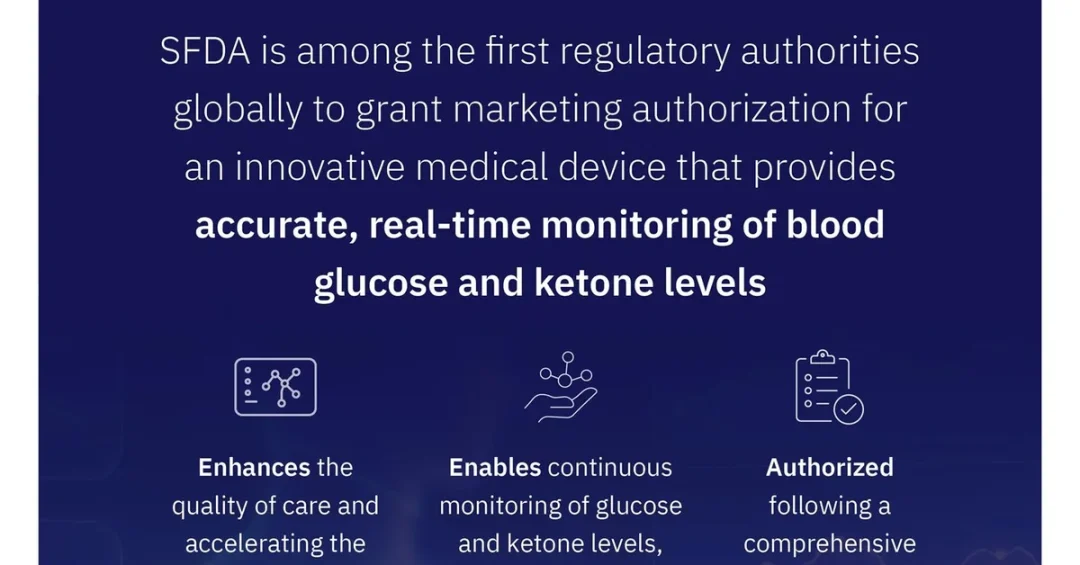
The Saudi Food and Drug Authority (SFDA) has granted marketing authorization for an innovative medical device that enables continuous, real-time monitoring of blood glucose and ketone levels, marking a significant advancement in diabetes care. The device, which utilizes next-generation biosensor technology, was approved through the SFDA’s Innovative Medical Devices pathway, designed to accelerate the entry of cutting-edge health technologies into the Saudi market while upholding rigorous safety, efficacy, and quality standards. This approval positions the SFDA among the first regulatory authorities globally to authorize this specific device, which is also the first of its kind permitted for use in the Kingdom.
Context and Background
Diabetes is a growing global health challenge, and Saudi Arabia is no exception. The Kingdom has prioritized improving healthcare outcomes as part of its Vision 2030 agenda, with a focus on adopting innovative solutions that enhance patient care. The SFDA’s Innovative Medical Devices pathway is a key initiative in this effort, streamlining the review process for breakthrough technologies without compromising safety. This device, which provides simultaneous glucose and ketone monitoring, addresses a critical need in diabetes management, particularly for patients at risk of diabetic ketoacidosis (DKA), a severe acute complication that requires prompt intervention.
Key Details
The device underwent a comprehensive scientific and regulatory evaluation, including a review of technical and clinical documentation, assessment of safety and performance data, and verification of clinical trial results. This thorough process ensures compliance with applicable regulatory requirements and confirms the device’s reliability. By enabling real-time, around-the-clock monitoring, the device empowers patients and healthcare providers to detect physiological changes early, support timely clinical decisions, and manage diabetes proactively. This capability is especially vital for individuals with type 1 diabetes or those with poorly controlled type 2 diabetes, who face elevated risks of DKA.
Implications and Impact
The approval of this device is expected to significantly improve diabetes management in Saudi Arabia, reducing the incidence of DKA and its associated hospitalizations. It also enhances patient safety by providing continuous data that can alert users to dangerous trends before they escalate. For healthcare providers, the device offers a valuable tool for remote monitoring and personalized treatment adjustments. On a broader scale, this milestone underscores Saudi Arabia’s commitment to fostering an innovation-enabling regulatory environment, attracting advanced medical technologies to the Kingdom, and positioning the country as a regional leader in healthcare innovation.
Vision 2030 Alignment
This regulatory approval directly supports the objectives of the National Biotechnology Strategy and contributes to the Health Sector Transformation Program, a key pillar of Saudi Vision 2030. By accelerating the adoption of innovative medical solutions, the SFDA is helping to elevate the quality of healthcare services in the Kingdom, align with global best practices, and improve the well-being of citizens and residents. This achievement reflects Saudi Arabia’s dedication to building a vibrant, health-conscious society and its ambition to become a hub for medical innovation in the region.
20 Questions
Q1. What is the innovative medical device recently authorized by the SFDA?
A1. The device is a next-generation biosensor that continuously monitors blood glucose and ketone levels in real time. It is designed to improve diabetes management and accelerate clinical response times for critical cases, particularly those involving diabetic ketoacidosis.
Q2. How was the device approved by the SFDA?
A2. The device was approved through the SFDA’s Innovative Medical Devices pathway, which fast-tracks the entry of innovative health technologies into the Saudi market while ensuring they meet high standards of safety, efficacy, and quality.
Q3. Is the SFDA the first regulatory authority to approve this device?
A3. Yes, the SFDA is among the first regulatory authorities globally to grant marketing authorization for this specific device, and it is the first of its kind authorized for use in Saudi Arabia.
Q4. What does the device monitor?
A4. The device monitors both blood glucose and ketone levels simultaneously, providing continuous, real-time data around the clock. This dual monitoring is crucial for detecting early signs of diabetic ketoacidosis.
Q5. Why is monitoring ketone levels important for diabetes patients?
A5. Ketone monitoring is essential for detecting diabetic ketoacidosis (DKA), a severe complication that can occur when the body breaks down fat for energy due to insufficient insulin. Early detection of elevated ketones allows for timely intervention and prevents life-threatening situations.
Q6. What is diabetic ketoacidosis (DKA)?
A6. DKA is an acute, life-threatening complication of diabetes characterized by high blood sugar, high ketone levels, and acidosis. It requires immediate medical attention and can be fatal if not treated promptly.
Q7. How does the device help in managing DKA risk?
A7. By providing continuous, real-time monitoring of glucose and ketones, the device enables early detection of physiological changes that may precede DKA. This allows patients and healthcare providers to take proactive measures, such as adjusting insulin or seeking medical care, before the condition becomes critical.
Q8. What is the significance of the SFDA’s Innovative Medical Devices pathway?
A8. This pathway is designed to accelerate the approval of innovative medical technologies in Saudi Arabia, ensuring they reach patients faster while maintaining rigorous safety and efficacy standards. It reflects the SFDA’s commitment to fostering innovation in the healthcare sector.
Q9. What evaluation process did the device undergo?
A9. The device underwent a comprehensive scientific and regulatory evaluation, including review of technical and clinical documentation, assessment of safety and performance data, and verification of clinical trial results to ensure compliance with regulatory requirements.
Q10. How does this device empower patients?
A10. The device empowers patients by providing them with real-time data about their glucose and ketone levels, enabling them to make informed decisions about their diet, medication, and lifestyle. This proactive approach improves diabetes self-management and overall quality of life.
Q11. How does the device support healthcare providers?
A11. Healthcare providers can use the continuous data from the device to monitor patients remotely, identify trends, and adjust treatment plans more effectively. This leads to more personalized care and better clinical outcomes.
Q12. What is the role of the SFDA in Saudi Arabia’s healthcare system?
A12. The SFDA is the national regulatory authority responsible for ensuring the safety, efficacy, and quality of food, drugs, and medical devices. It plays a crucial role in protecting public health and facilitating access to innovative health technologies.
Q13. How does this approval align with Saudi Vision 2030?
A13. The approval supports the Health Sector Transformation Program, a key pillar of Vision 2030, which aims to elevate healthcare quality and accelerate the adoption of innovative medical solutions. It also contributes to the National Biotechnology Strategy.
Q14. What is the National Biotechnology Strategy?
A14. The National Biotechnology Strategy is a Saudi initiative to develop the biotechnology sector, promote research and innovation, and position the Kingdom as a global leader in biotech. This device approval is a step toward achieving those goals.
Q15. What are the potential benefits of this device for Saudi Arabia’s healthcare system?
A15. The device can reduce hospitalizations due to DKA, improve patient outcomes, and lower healthcare costs. It also enhances the Kingdom’s reputation as a hub for medical innovation, attracting further investment and expertise.
Q16. Is the device suitable for all diabetes patients?
A16. The device is particularly beneficial for patients at risk of DKA, such as those with type 1 diabetes or poorly controlled type 2 diabetes. However, its suitability depends on individual patient needs and should be determined by healthcare professionals.
Q17. How does the device work?
A17. The device uses next-generation biosensor technology to measure glucose and ketone levels in interstitial fluid or blood, transmitting data wirelessly to a display or smartphone app. This allows continuous monitoring without frequent fingerstick tests.
Q18. What is the global significance of this approval?
A18. The SFDA’s approval demonstrates that Saudi Arabia is at the forefront of regulatory innovation, being among the first to authorize this advanced device. This sets a precedent for other regulators and highlights the Kingdom’s commitment to adopting cutting-edge health technologies.
Q19. How will this device impact diabetes care in the Kingdom?
A19. It will enable more proactive and precise diabetes management, reducing the risk of severe complications like DKA. Patients will have better control over their condition, leading to improved health outcomes and a higher quality of life.
Q20. What are the next steps for this device in Saudi Arabia?
A20. Following marketing authorization, the device will be introduced to the Saudi market, likely through healthcare providers and pharmacies. Ongoing monitoring and post-market surveillance will ensure its continued safety and effectiveness in real-world use.
Reader Feedback
We value your thoughts. Please share your feedback on this article.
Your feedback helps us improve our coverage.